Russia has used the hypersonic missile Oreshnik near Lviv for the first time: what is known about the consequences.


According to ТСН: Russian troops attacked an infrastructure facility near Lviv yesterday, using the missile "Oreshnik". Fortunately, the gas system was not harmed.
This information was confirmed by a deputy from the "Servant of the People" party on the air of the "News.Live" channel, commenting on rumors regarding possible problems with gas supply in the Lviv region.
"In fact, the gas infrastructure in Lviv region was not harmed. The shockwave caused some minor damage, but the enemy aimed its "Oreshnik" at another facility unrelated to gas," he said.
The politician also shared his thoughts on the purpose of the attacks.
"I believe that these strikes are more indicative of political pressure on Ukraine, trying to show the European Union that the "Oreshnik" can reach them too. It is more like saber-rattling than a real threat," he noted.
Attack by "Oreshnik" on Lviv: what happened
On the night of January 9, the Russian army launched a missile strike on the Lviv district. A member of the Lviv City Council reported gas shortages in several settlements, including the village of Rudne.
The mayor of Lviv, Andriy Sadovyi, noted that in Rudne, the automatic safety system was triggered by the shockwave, resulting in 376 subscribers being left without gas. The mayor emphasized that this was not an accident, but a protective reaction of the system.
The head of the Lviv Regional State Administration, Maksym Kozytskyi, added that a critical infrastructure facility was hit.
Sadovyi pointed out that the explosion from the "Oreshnik" missile strike was the first case in the history of the war where a missile launched at a record speed of about 13,000 km/h. He stressed that the attack on a settlement located less than 70 km from the EU border is a clear signal to international partners that Russia ignores any boundaries.
This attack on Lviv again draws attention to security threats in Western Ukraine. Statements from officials indicate that the country continues to resist aggression, trying to ensure the protection of vital infrastructure and its population. It is important for international partners to consider these events in their support policies for Ukraine.
Read also
- NATO Defense Spending Surges by €100 Billion as Germany Doubles Its Contribution
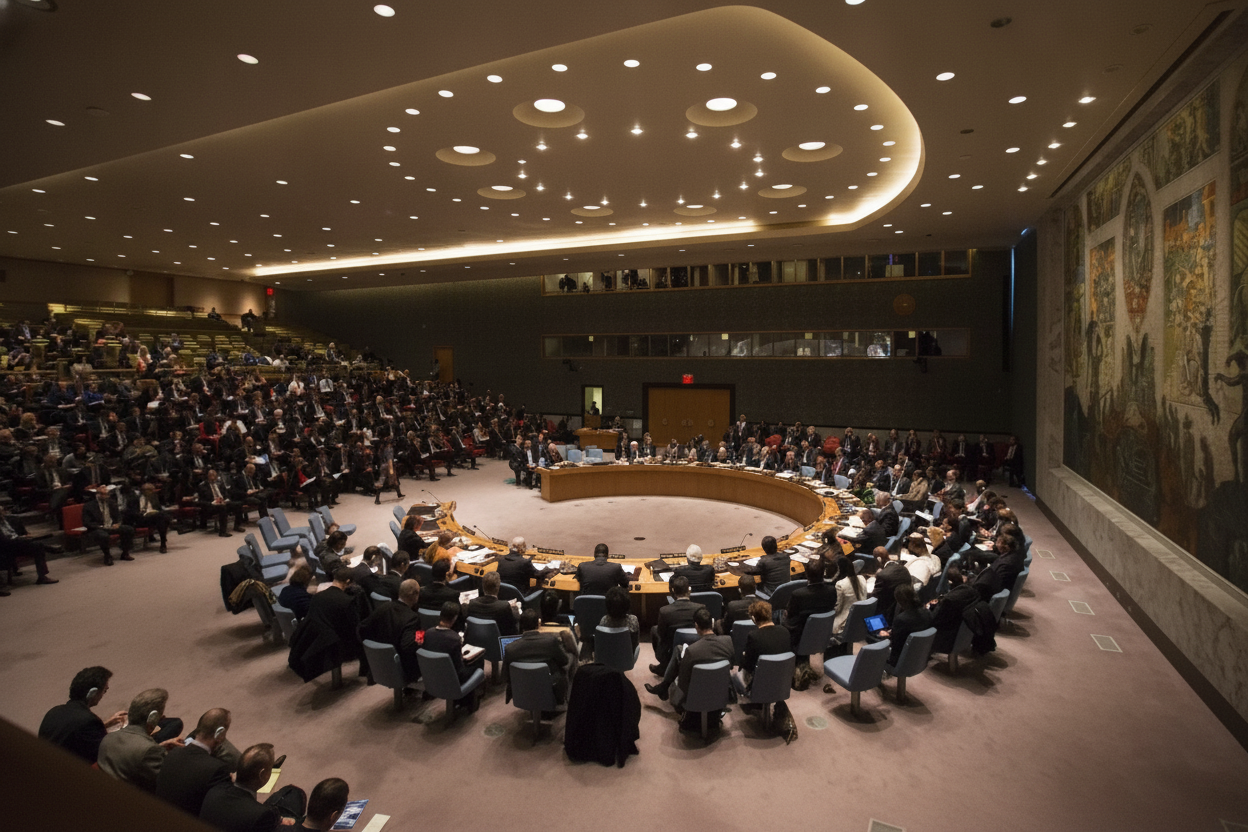
- Ukraine Calls Emergency UN Security Council Session After Kyiv Strike; Melnik Demands Stronger Action
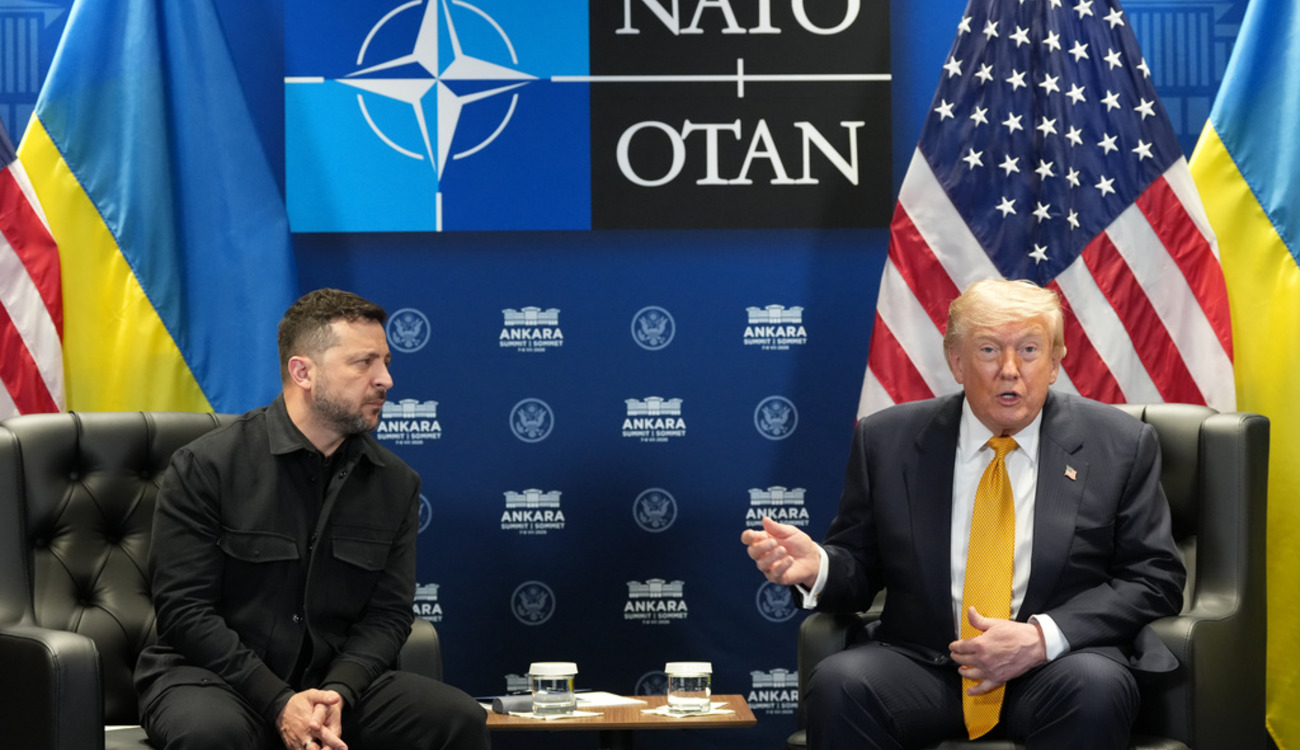
- Trump Vows to Close Ukrainian Airspace if Russia Launches Another Attack
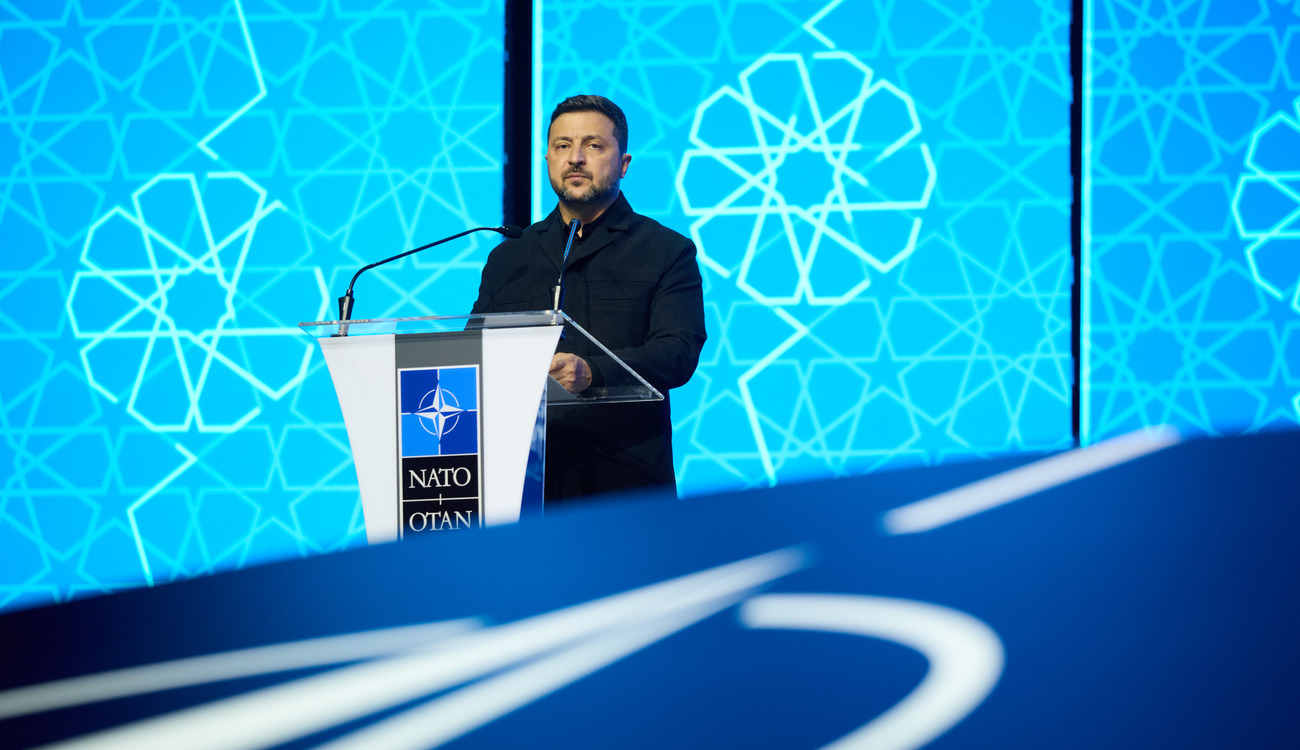
- Zelenskyy Holds Over 20 Talks in Ankara, Secures €70 Billion NATO Commitment
- Over 80 Iranian Targets Hit in Fresh US Strikes; EU Calls Emergency Meeting
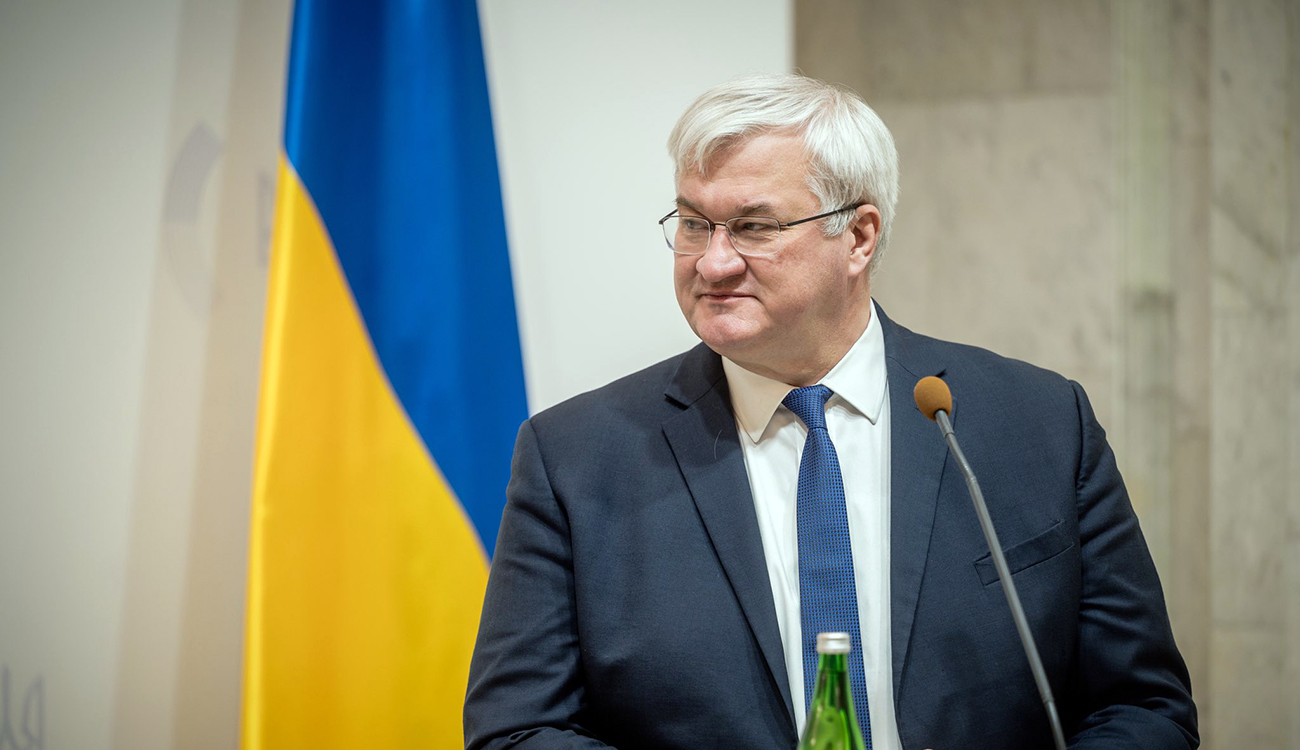
- China Extends Invitation to Ukraine: Foreign Minister Sybiha Set for Talks in Beijing