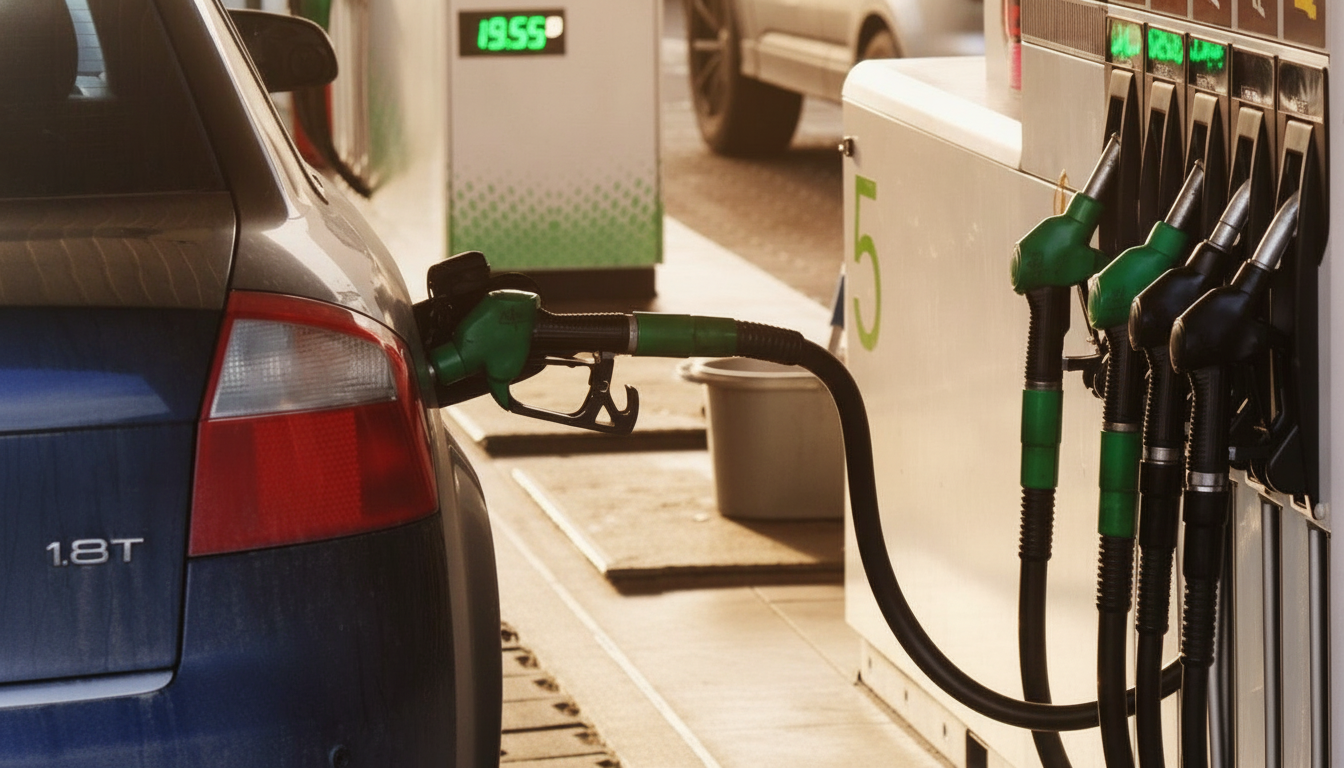
Attacks on Odesa region will not raise fuel prices: government explains why.

Logistics complications due to attacks on infrastructure
According to ТСН: Attacks by Russian occupiers on the transport infrastructure of Odesa region have caused serious difficulties in logistics. However, this should not significantly affect the financial situation of drivers.
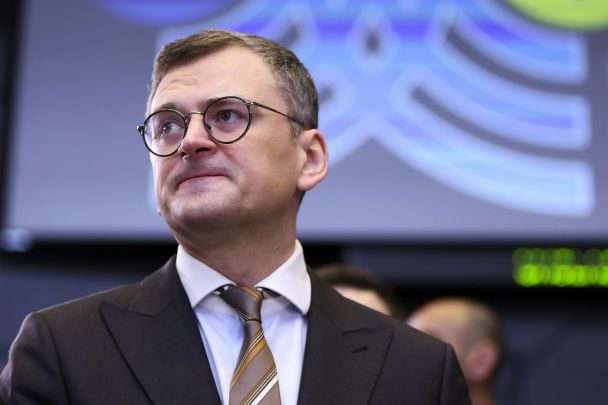
Deputy Prime Minister for Reconstruction Oleksiy Kuleba noted during a meeting with journalists that the government has actively negotiated with key market participants, including gas station operators and carriers. Currently, the market share affected by logistics difficulties accounts for about 40%. However, experts do not see any threat of rising fuel prices.
“So far, we see no prerequisites for this to lead to a price increase — neither retail nor wholesale. This is confirmed to us by both carriers and operators,” emphasized the Deputy Prime Minister.
Kuleba emphasized that attacks on infrastructure, particularly on bridges, have indeed complicated logistics processes in Odesa region. However, this has not led to a critical situation with fuel supply.
The state has alternative delivery options, among which is railway transport.
The government has also focused on readjusting freight transport routes, considering that trucks located in the Izmail area will transit through Moldova to enter Ukraine.
“All carriers understand the reality and perceive it quite adequately. They will change logistics through other countries and alternative routes that we offer in Odesa region,” Kuleba noted.
Let us remind you that after Russia's recent attack on Odesa's port infrastructure, queues formed at gas stations, causing a frenzy among drivers who began to refuel their vehicles en masse due to fears of fuel shortages.
Thus, although the logistics situation in Odesa region is indeed complicated, the government is actively working on resolving it. In particular, efforts are directed at utilizing alternative routes and modes of transport. This will ensure the stability of fuel supply despite external challenges.
Read also
- E10 Gasoline Safety for Older Cars: What Ukraine’s New Fuel Standards Mean Starting July 1
- Panic Among Polish Farmers: Growing Pressure from Ukrainian Agricultural Competitors
- Ukraine’s Shadow Economy: Zheleznyak Sets the Stage for Budget Growth
- Construction Costs in Ukraine Surge: What You’ll Pay for a Foundation and House Shell in 2026
- Monobank Eliminates SWIFT Transfer Fees: How Much Ukrainians Will Save
- Why Ukraine must avoid becoming a cheap labor hub, according to former minister Zholnovych