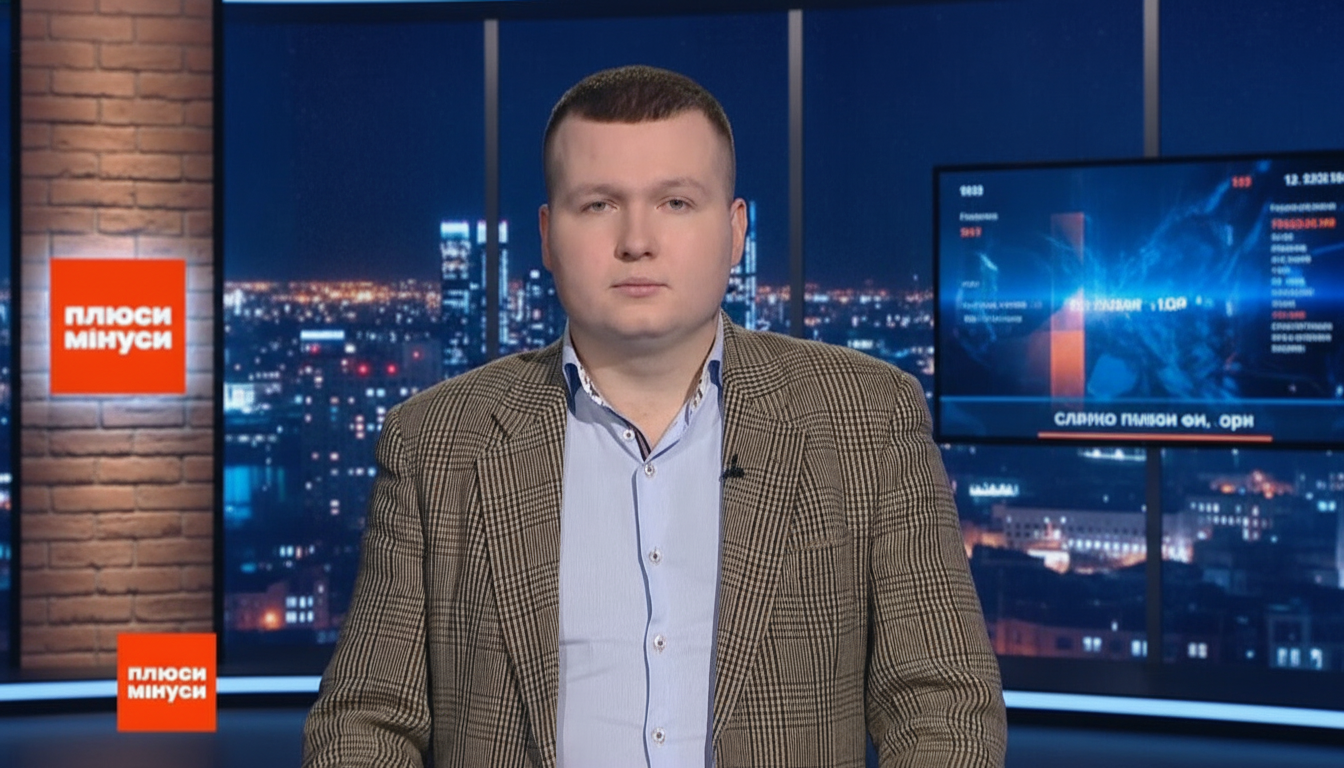
Ukraine’s Shadow Economy: Zheleznyak Sets the Stage for Budget Growth.


The Shadow Economy and Its Toll on Ukraine
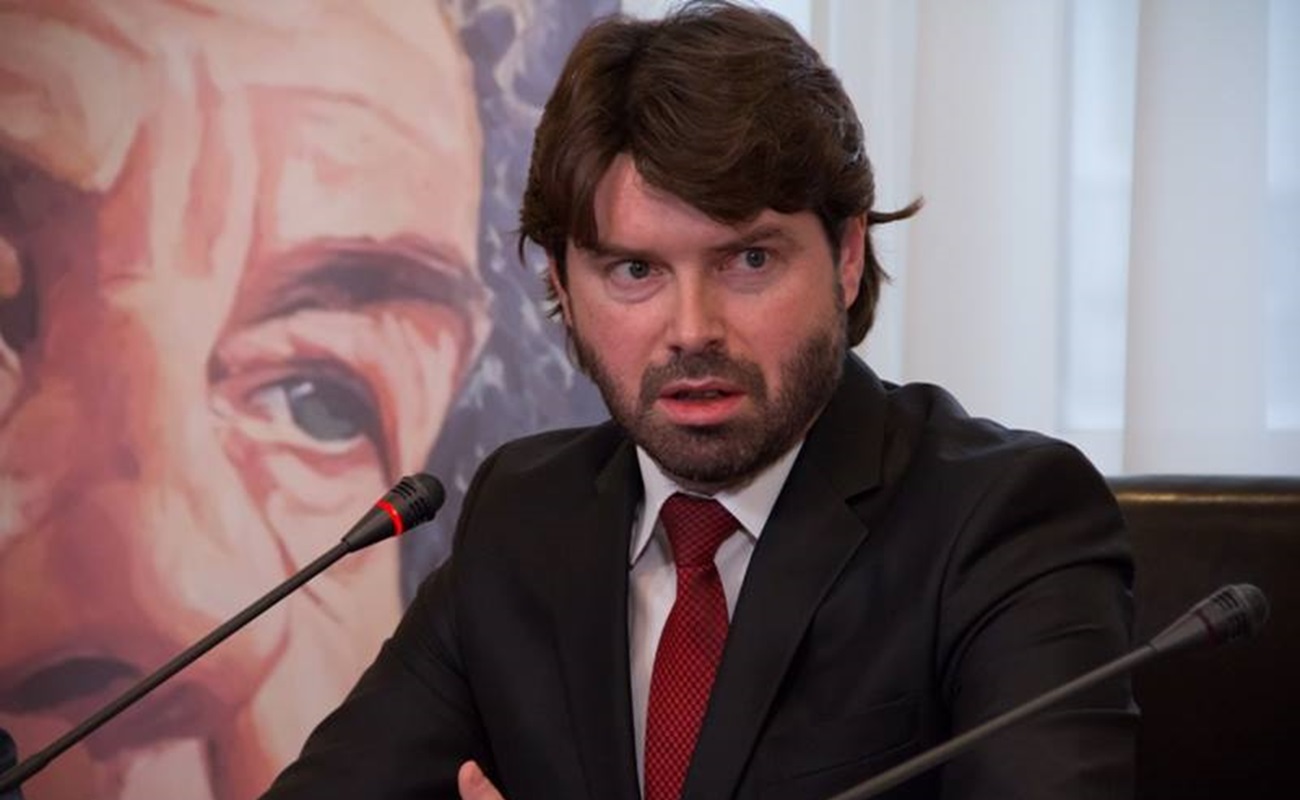
According to Novyny.live: Ukraine continues to grapple with a persistent shadow economy, which drains billions from the state budget every year. In response, the government is tightening financial oversight while monitoring a gradual shift among businesses toward transparent operations. Yaroslav Zheleznyak, First Deputy Head of the Verkhovna Rada Committee on Finance, Tax, and Customs Policy, stresses that clear and consistent rules are essential for bringing the economy out of the shadows.
Zheleznyak points to a growing trend, noting that
“businesses are increasingly moving toward what is called 'going white'”and that
“there are fewer and fewer opportunities, even technically, to pay salaries in cash envelopes”. This shift indicates that companies are striving to comply with the law and steer clear of illicit schemes.
State Sector Woes and the Labor Migrant Question
Discussions in Ukraine also revolve around labor migrants, and available data suggests their numbers have dropped compared to the pre-war period. This issue remains a key factor in the country’s economic stability.
Furthermore, Zheleznyak highlights challenges within the state sector, pointing out that
“the State Food and Grain Corporation still exists. Throughout its entire history, it has remained unprofitable”. He questions the need for state-owned enterprises that
“have proven to be nothing more than a feeding trough for corrupt officials”.
Regarding assets under sanctions, Zheleznyak also remarked that
“we have many sanctioned and nationalized enterprises that were seized from Russian citizens”. He advocates for selling these assets to generate revenue for the budget, a move that could significantly improve the country’s financial situation.
According to the expert, stable regulations, order in the state sector, and the management of sanctioned assets are critical for Ukraine’s future economic development.
The shadow economy and state sector challenges are pressing topics as Ukraine plans its post-war reconstruction. By transitioning to transparent practices, businesses can not only reduce corruption risks but also ensure a more stable flow of budget revenue. At the same time, problems in the state sector and the handling of sanctioned assets underscore the need for reforms that could profoundly shape the country’s economic outlook, especially amid war and financial instability.
Read also
- Russia’s Oil and Gas Revenue Set to Surge by 60%—Here’s What’s Driving the Jump
- IMF Disburses $690 Million Second Tranche to Ukraine: Where the Funds Are Going
- Russia’s Budget Deficit Could Hit 7 Trillion Rubles—What Are the Default Risks?
- Expert Sets Critical Threshold: 60% of Russia's Oil Refining Capacity Must Be Destroyed
- Russia Faces Imminent Fuel Crisis: Why Refinery Recovery Is Nearly Impossible, Expert Warns
- Economist identifies Russia's point of no return: why it can never reclaim its place among global economic leaders