E10 Gasoline Safety for Older Cars: What Ukraine’s New Fuel Standards Mean Starting July 1.

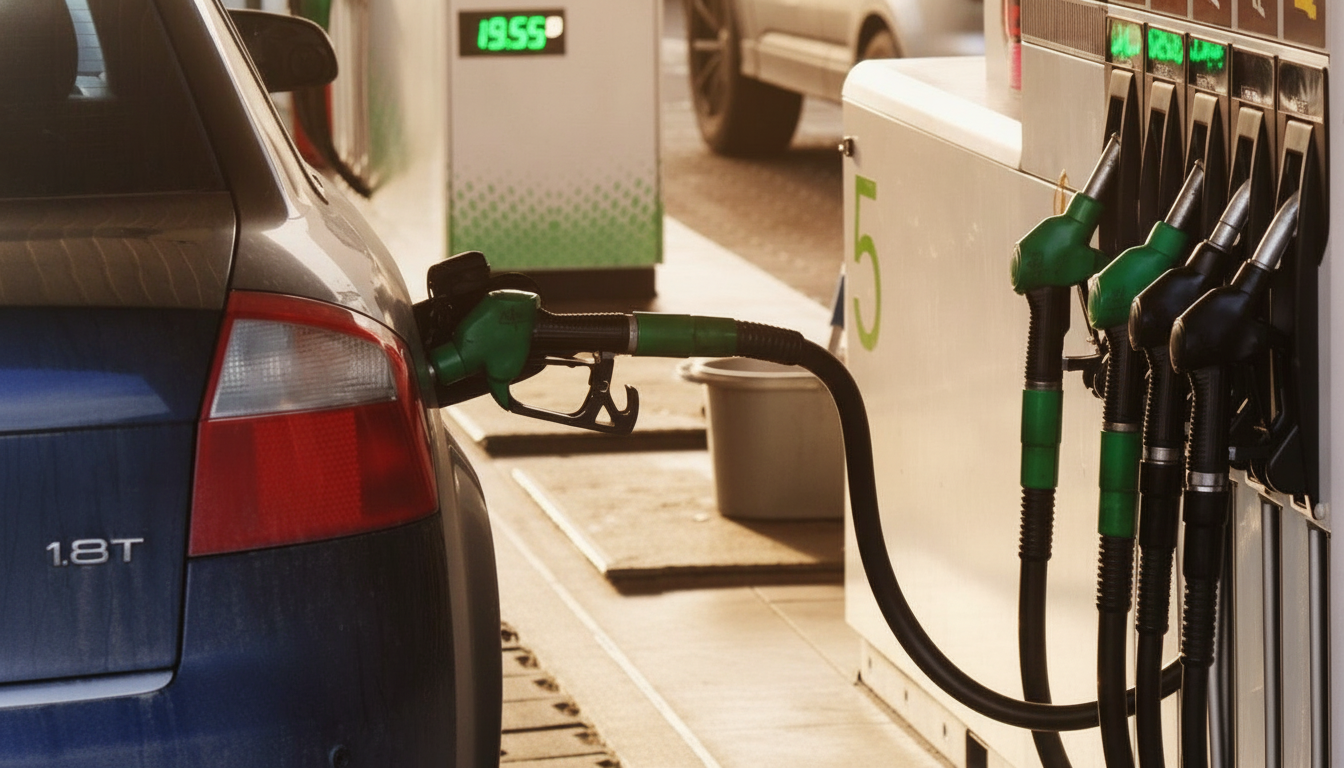
Ukraine Introduces Updated Fuel Regulations for Vehicles
According to Novyny.live: Starting July 1, 2023, Ukraine will enforce new national fuel standards, with E10 gasoline taking center stage. This regulation marks a strategic effort to reduce the country’s energy reliance by replacing some imported fuel with domestically produced bioethanol, derived primarily from corn.
Under the E10 standard, gasoline can contain up to 10% bioethanol. Fuel market expert Serhiy Kuyun emphasizes that this blend requires no technical modifications to vehicles.
'When we talk about up to 10% bioethanol in gasoline, the standard is not capable of causing any malfunctions in any car’s operation.' – Serhiy Kuyun
Benefits of Adopting E10 Gasoline
The primary motivation behind the E10 standard is to cut Ukraine’s dependence on imported fuel. By using locally grown crops, especially corn, the country can produce its own bioethanol and better balance its energy needs.
'First of all, for Ukraine, we will essentially be able to replace part of our fuel with our own bioethanol.' – Serhiy Kuyun
Notably, diesel fuel remains unaffected. As Kuyun explains: 'Regarding diesel, we’ve already said that nothing changes at all.' Thus, the new fuel regulations, effective from July 1, 2023, create fresh opportunities for Ukraine’s fuel market, particularly through the rollout of E10 gasoline.
The adoption of the E10 standard could also boost the domestic agricultural sector by increasing demand for corn, the primary feedstock for bioethanol production. This shift may raise farmers’ incomes and support rural development. Moreover, reducing Ukraine’s reliance on imported fuel is a strategically vital step for the nation’s energy security.
Read also
- Russia’s Oil and Gas Revenue Set to Surge by 60%—Here’s What’s Driving the Jump
- IMF Disburses $690 Million Second Tranche to Ukraine: Where the Funds Are Going
- Russia’s Budget Deficit Could Hit 7 Trillion Rubles—What Are the Default Risks?
- Expert Sets Critical Threshold: 60% of Russia's Oil Refining Capacity Must Be Destroyed
- Russia Faces Imminent Fuel Crisis: Why Refinery Recovery Is Nearly Impossible, Expert Warns
- Economist identifies Russia's point of no return: why it can never reclaim its place among global economic leaders