Copper and Brass Prices Surge: How Much Ukrainians Can Earn from Scrap Metal.

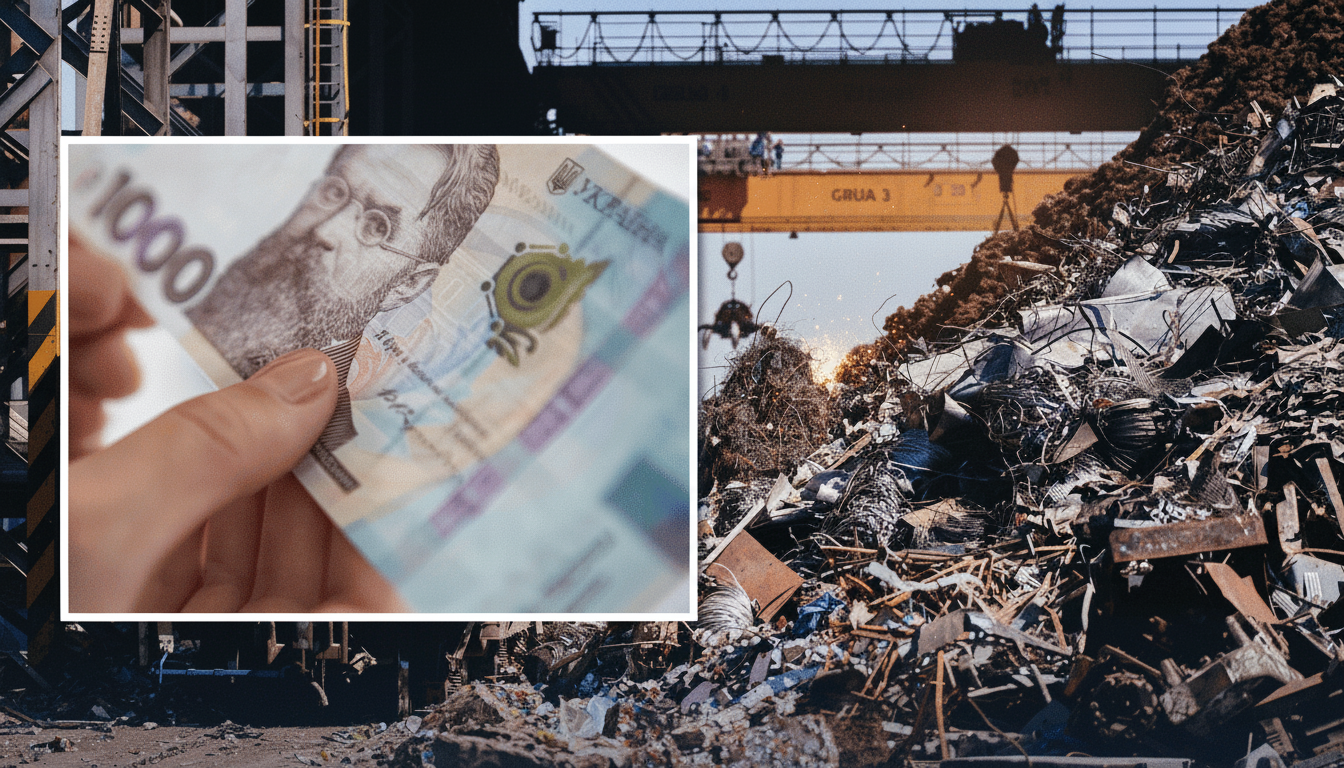
Income from Selling Copper and Brass Scrap
According to Novyny.live: As of July 2026, residents of Ukraine have an opportunity to generate extra income by selling scrap copper and brass. Prices for these scrap metals differ depending on the region, opening up additional avenues for those looking to profit from recycled materials.
Copper and Brass Scrap Prices
What is the current price for copper scrap? In July 2026, copper scrap prices in Ukraine range from 350 to 520 UAH per kilogram. Specifically, in the Kyiv region, prices vary between 350 and 450 UAH per kg. In the Zaporizhzhia region, copper costs between 435 and 500 UAH per kg, while in the Vinnytsia region, it ranges from 450 to 520 UAH per kg. The Lviv region offers prices in the range of 440 to 510 UAH per kg, and the Dnipropetrovsk region sees prices from 400 to 510 UAH per kg. The Odesa region shows the highest figures, with prices between 480 and 510 UAH per kg. In the Sumy region, copper scrap costs between 430 and 480 UAH per kg, and in the Kharkiv region, it ranges from 400 to 500 UAH per kg.
As for brass scrap, prices fall between 200 and 240 UAH per kg. It is known that some brass sellers can earn between 250 and 280 UAH per kg, making this type of material also attractive for sale.
What else should Ukrainians know? In July 2026, prices for ferrous scrap metal are up to 5 UAH per kg. This indicates that the secondary raw materials market continues to develop, and for many Ukrainians, selling scrap can become a significant source of income. In today's economic climate, it is important to pay attention to such opportunities, as they can substantially improve one's financial situation.
The rise in copper and brass scrap prices in Ukraine may be linked to global trends in the metallurgy sector and the demand for recycled materials.
Given the economic challenges the country faces, selling scrap metal can become a vital tool for improving the well-being of the population. This also highlights the importance of developing the secondary raw materials market, which supports not only economic activity but also the environmental benefits of material reuse.
Read also
- Shipowners Are Increasingly Avoiding Ukrainian Ports: Here’s What’s Driving the Crisis
- Greek Company Blocks New EU Sanctions on Russia: Inside the LNG Business Ties
- Drone Attack Halts Operations at Russia's Salavat Petrochemical Plant: Repair Timeline Revealed
- Ukraine’s 2,000-Hryvnia Note Featuring Poet Vasyl Stus Delayed Over Font Ethics—New Launch Date Set
- Egg Prices and a Massive Trade Deficit Are Slowing Ukraine’s Inflation—What Comes Next?
- Kyiv Greenlit to Use EU Loan Funds for Chinese Drone Parts Despite Restrictions