Fuel Prices Surge in Lviv as Middle East Conflict Intensifies.

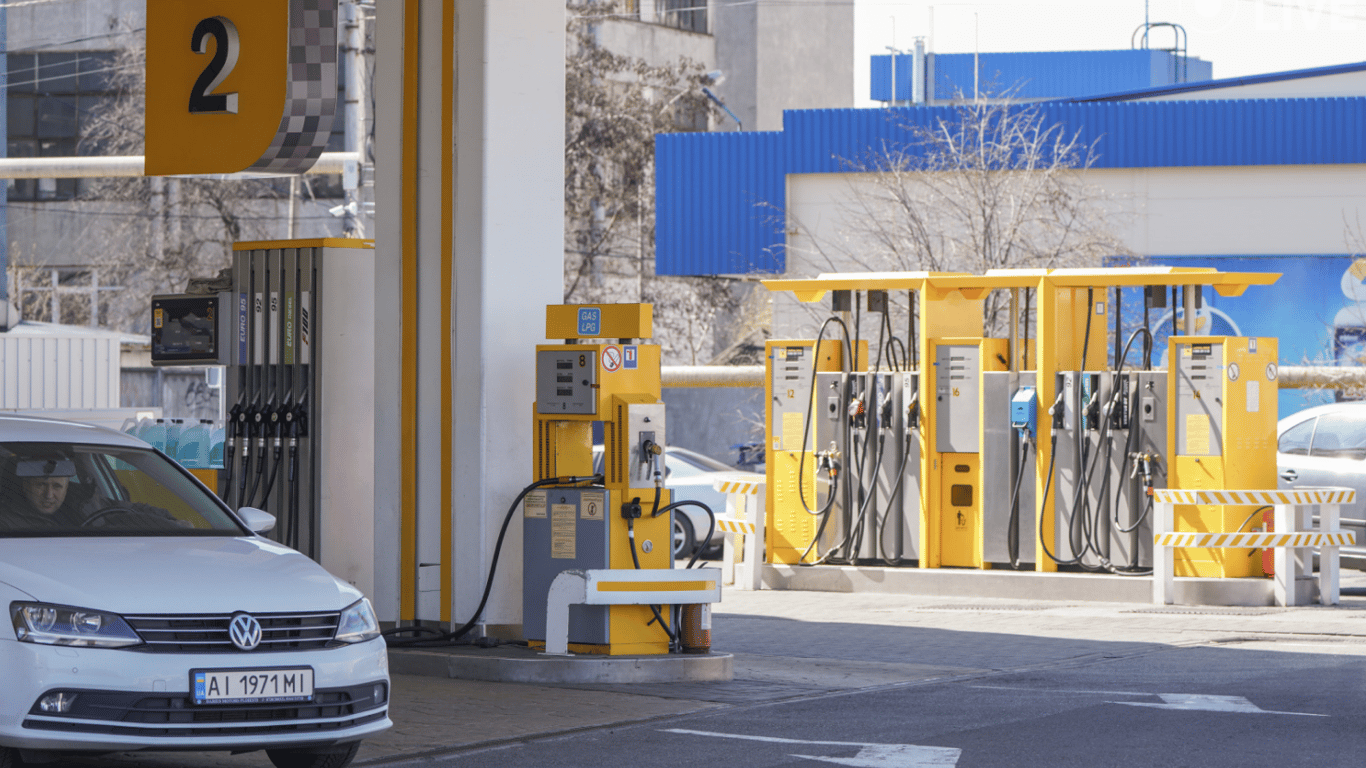
Lviv Fuel Prices for March 4
According to Novyny.live: Fuel prices in Ukraine, including the city of Lviv, have risen sharply on March 4, 2026, following escalating tensions in the Middle East. This global instability often triggers volatility in oil markets, impacting prices worldwide. As of today, the cost of gasoline in Lviv ranges from 65.99 to 73.99 UAH per liter. Diesel fuel is priced between 65.99 and 70.99 UAH per liter, while autogas costs 39.99–40.99 UAH per liter.
Average Fuel Prices Across Lviv Region on March 4
Current data shows the following average fuel prices for the Lviv region:
- Premium A-95 gasoline — 72.48 UAH;
- A-95 gasoline — 67.64 UAH;
- A-92 gasoline — 63.99 UAH;
- Diesel fuel — 67.88 UAH;
- Autogas — 40.44 UAH.
These figures indicate a significant increase in fuel costs for the region, mirroring broader market trends.
Current Prices at Lviv Region Fuel Stations
Drivers at filling stations across the Lviv region today are encountering a wide range of fuel prices. Specifically, A-95 gasoline is available from 67.64 to 73.99 UAH per liter. Meanwhile, diesel fuel varies between 65.99 and 70.99 UAH per liter. Autogas remains the most affordable option, priced from 39.99 to 40.99 UAH per liter.
National Average Fuel Prices in Ukraine for March 4
According to data from March 4, 2026, the national average price for premium A-95 gasoline in Ukraine is 71.67 UAH per liter, while standard A-95 averages 67.20 UAH per liter. The average price for A-92 gasoline reaches 63.78 UAH per liter, and diesel fuel averages 67.40 UAH per liter. The national average price for autogas stands at 39.97 UAH per liter.
Consequently, the observed price increases in Lviv and across Ukraine are a direct result of current conditions on global markets, causing concern among drivers and consumers. The rise in Ukrainian fuel costs occurs against a backdrop of global economic fluctuations, highlighting the market's sensitivity to international events. Higher prices may negatively impact consumer expenses and the broader economy, as increased fuel costs typically lead to higher prices for transported goods and services. Given the instability in energy markets, drivers and businesses should prepare for potential further changes in fuel pricing.
Read also
- Ukraine Strikes 42 Russian Vessels in 11 Days as Drone Campaign Intensifies
- Russian Stock Market Crashes Nearly 9% — What This Means for the Economy
- Record 324 MW of Wind Power Built in Ukraine in 2025: Here’s Where the New Farms Are
- How Donetsk Once Served as the Heart of a British Colony in Ukraine: The Story of Yuzivka
- Drone Strikes on Refineries Trigger Fuel Crisis in Russia: One in Five Trucks Now Idle
- Russia’s Economy Shows Cracks as Stock Indexes and Business Sentiment Plunge to New Lows