Ukraine's Travel Rules for Military-Age Men Accompanying Persons with Disabilities.

State Border Crossing Regulations
According to Novyny.live: During Ukraine's martial law, specific border crossing rules remain in effect for men of conscription age who are traveling abroad to accompany persons with disabilities. In 2026, these men are permitted to leave the country if they are providing such accompaniment. This provision applies both to immediate family members and to individuals formally serving as caregivers for persons with disabilities. These regulations are part of a framework designed to balance national security needs with humanitarian considerations.
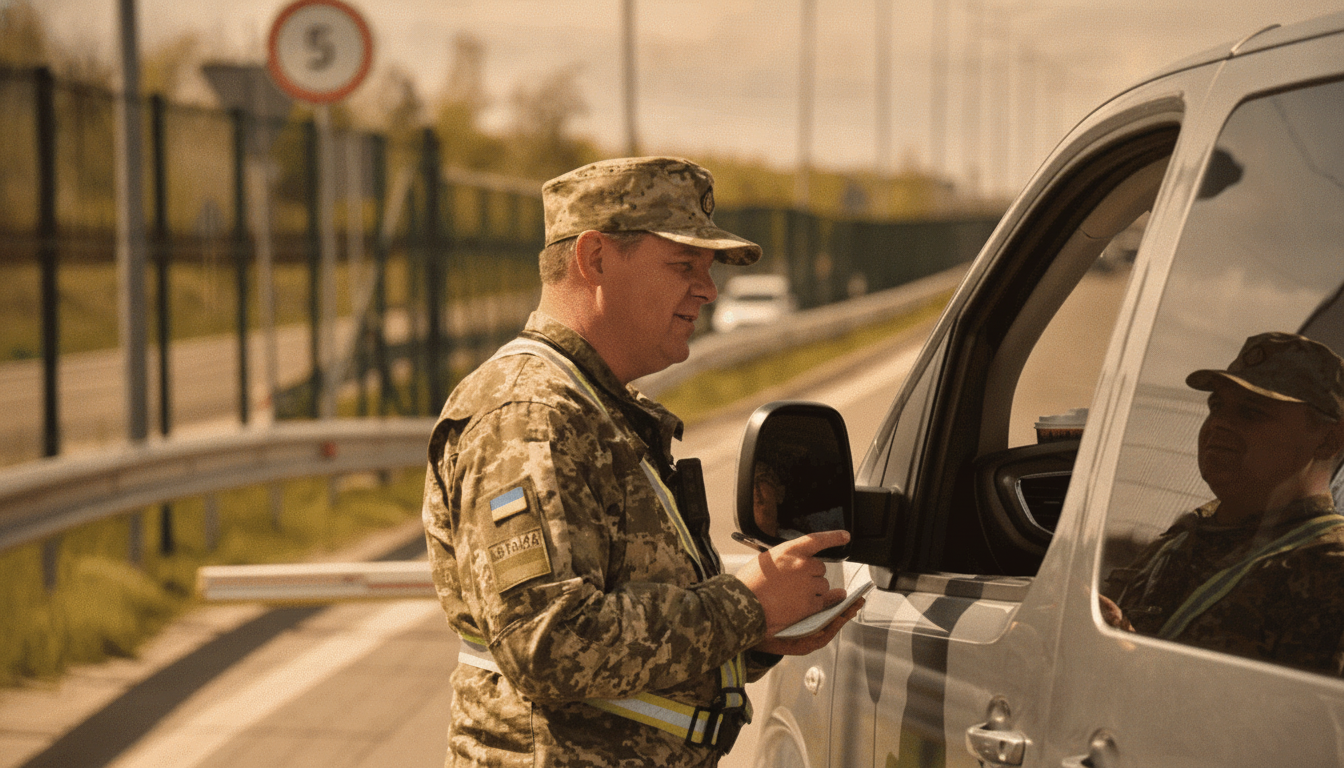
To cross the border, those liable for military service must carry their military registration document along with certificates confirming their eligibility to travel. A critical requirement is that the accompanying person's passport must be valid for at least another six months. This validity period is a key factor that can determine whether border authorities will permit departure.
The accompanying individual is not permitted to return to Ukraine before the person under their care does. This rule ensures continuous support for the person with a disability throughout the journey. Furthermore, within one business day of arriving in the destination country, the accompanying person must register at a Ukrainian consular office, a mandatory step for legalizing their stay abroad.
The New EES System
A new Entry/Exit System (EES) became operational in EU countries starting in October 2025. This system aims to enhance border control, which may affect the procedures for men of mobilization age traveling with persons with disabilities. It is crucial to account for these new rules and processes, which could either complicate or, in some cases, streamline the exit process.
In summary, men of conscription age who accompany persons with disabilities must meticulously adhere to all stipulated requirements and rules to ensure an unimpeded border crossing. This diligence helps avoid unforeseen complications and guarantees safety and comfort during travel.
These rules are particularly significant under martial law, as they enable men subject to mobilization to perform a vital social function by supporting individuals with disabilities. Simultaneously, the introduction of the EES system may add further procedural nuances to the border-crossing process, requiring citizens to be vigilant and adaptable to changing regulations. This underscores the importance of continuously monitoring the official rules and requirements for international travel under the current circumstances.
Read also
- Montenegro Set to Scrap Visa-Free Travel for Russians and Belarusians: Effective Date Revealed
- Slovakia Halts Schengen Tourist Visas for Russians: Who Can Still Enter?
- Long Lines at Ukraine’s Border on July 6: Hundreds of Cars and Pedestrians Queue to Enter the EU
- July 5 Border Chaos: 15 Checkpoints Blocked Across Four Countries
- New Entry Rules for Moldova: What Drivers in the Odesa Region Need to Know
- 2026 ETIAS Launch by EU: Which Ukrainians Are Exempt from the Permit Requirement