Economist Explains the Counterintuitive Price Gap: Why Imports Are Cheaper Than Ukrainian Goods.

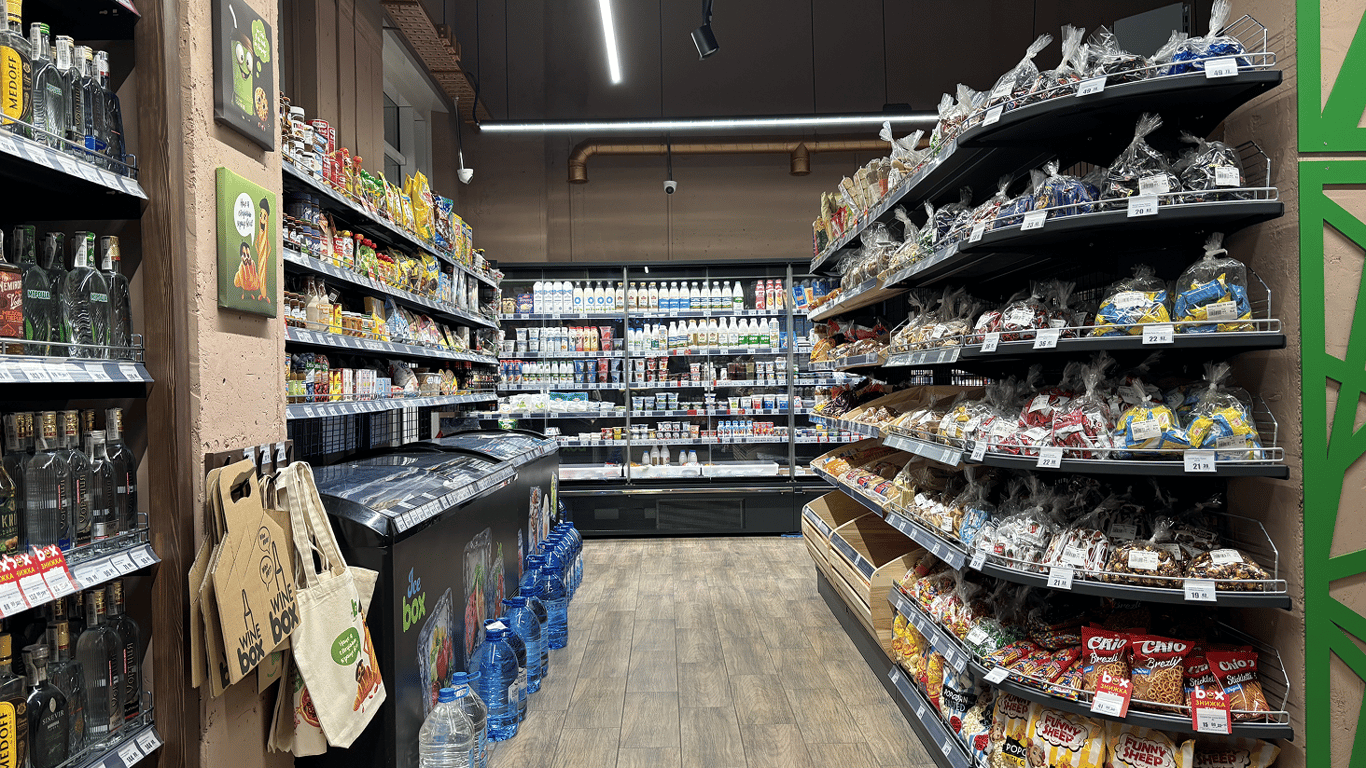
Why Foreign Products Often Cost Less Than Domestic Ones in Ukraine
According to Novyny.live: In Ukraine, a surprising market trend sees imported goods frequently priced lower than those produced locally. Economist Volodymyr Chyzh examines the key factors behind this price paradox, which include:
- Massive production scales abroad
- Generous state subsidies in exporting countries
- Unfavorable currency exchange rate fluctuations
- Higher operational costs for Ukrainian manufacturers
This situation presents a significant challenge for local businesses trying to compete. For consumers, it creates a complex choice between supporting the domestic economy and managing household budgets.
A primary driver of high domestic prices is the limited level of state support for Ukrainian producers. Small and medium-sized enterprises often lack economies of scale, making their output more expensive. As Volodymyr Chyzh notes,
"Subsidies, tax benefits, and cost compensations allow producers to lower prices in both domestic and foreign markets." — Volodymyr Chyzh
This means imported goods, backed by such support in their countries of origin, can be offered at more competitive rates.
Ukrainian producers also face steep production costs, including expenses for fuel, energy, packaging, and logistics. Internal logistics within Ukraine are particularly costly due to the war, poor infrastructure, and fuel shortages. Prolonged power outages and the forced reliance on generators further inflate production costs. Chyzh points out that
"Certification, inspections, energy costs, and administrative procedures are all factored into the final price of a product." — Volodymyr Chyzh
These burdens add a significant premium to Ukrainian-made goods.
In a striking paradox, Chyzh observes that shipping large consignments from abroad can sometimes be cheaper than transporting goods domestically. This highlights the multitude of challenges Ukrainian manufacturers face, undermining their market competitiveness. The choice between imported and Ukrainian goods is not merely about price but involves a broader economic balance that consumers must consider.
Despite these hurdles, some products, like buckwheat, remain relatively affordable. As of January 2026, buckwheat is still one of the most accessible staples. This indicates that even in a difficult economic climate, Ukrainian producers can maintain competitive pricing for certain essential goods.
Conclusion
Therefore, the price paradox in Ukraine—where imports are often cheaper than domestic products—is the result of multiple interconnected factors. These must be considered when shaping economic policy and designing support for local industry.
This reality underscores the critical need for robust state programs to bolster domestic production. Such initiatives could help Ukrainian businesses reduce costs and enhance their competitiveness. In an era of globalization and profound economic challenges, Ukraine must find a sustainable balance between imports and support for local producers to ensure market stability and improve public welfare.
Read also
- IMF Disburses $690 Million Second Tranche to Ukraine: Where the Funds Are Going
- Russia’s Budget Deficit Could Hit 7 Trillion Rubles—What Are the Default Risks?
- Expert Sets Critical Threshold: 60% of Russia's Oil Refining Capacity Must Be Destroyed
- Russia Faces Imminent Fuel Crisis: Why Refinery Recovery Is Nearly Impossible, Expert Warns
- Economist identifies Russia's point of no return: why it can never reclaim its place among global economic leaders
- Deadly Fuel Lines in Russia as Authorities Divert Gasoline to Moscow Amid Shortage