The Real Reason Your USB-C Charger Isn't Fast: The Compatibility Factor.

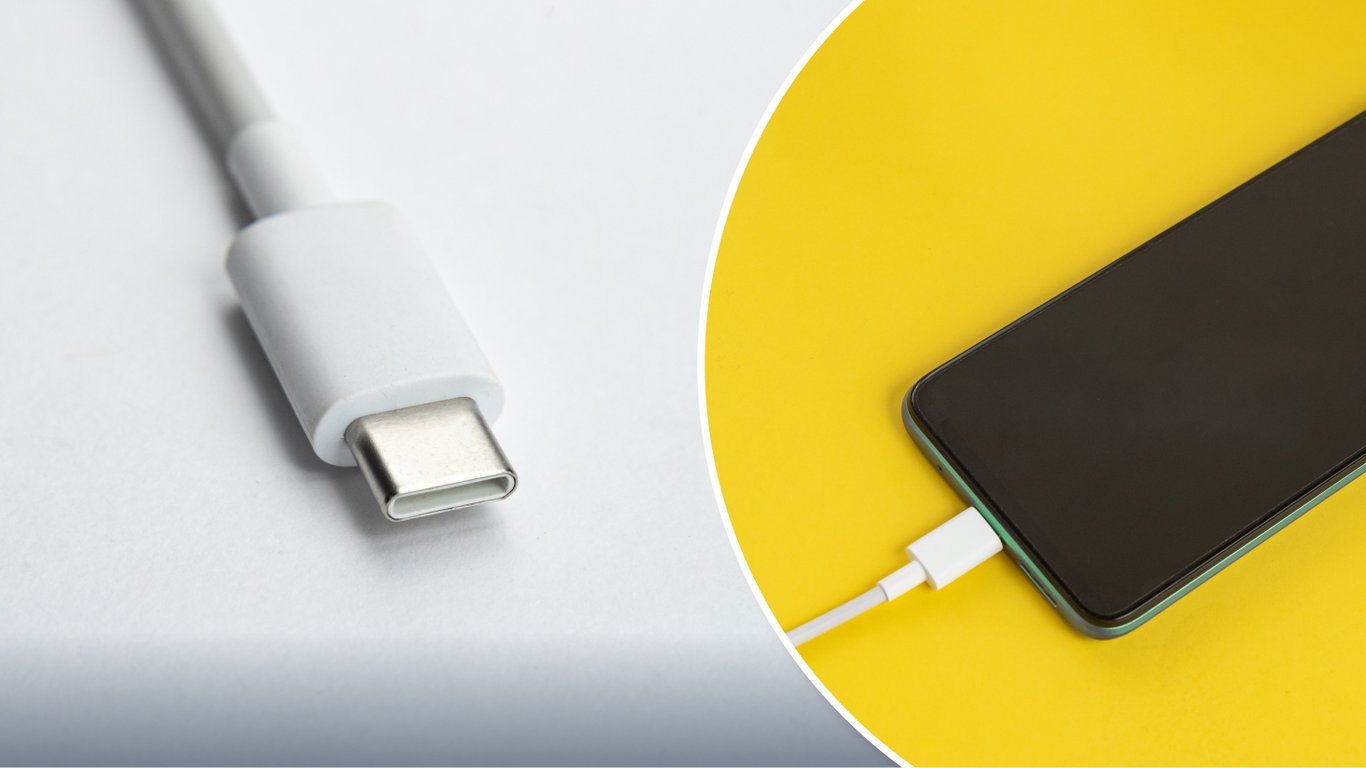
The State of Modern Smartphone Charging
According to Novyny.live: While modern smartphone charging technology has advanced rapidly, it often leaves users puzzled. A common question is why not every USB-C charger delivers the promised high speeds. Achieving maximum charging velocity depends on a critical interplay between the power adapter, the cable, and the phone itself, all governed by specific technical standards.
New flagship models showcase impressive capabilities. For instance, the iPhone 17 can reach a 50% charge in just 20 minutes using a 40-watt adapter. Meanwhile, the Samsung Galaxy S26 Ultra can achieve 75% in 30 minutes with a 60-watt charger. This demonstrates that many current smartphones support fast charging at 40-45 watts, a major selling point for time-conscious consumers.
It's important to note that charging from 10% to 70% is significantly faster than topping up the final portion to 100%. Therefore, even with a high-power adapter, the charging rate often slows during the last stages to protect the battery's long-term health. To unlock the fastest speeds, all components must support modern standards like USB Power Delivery (PD) or Programmable Power Supply (PPS).
Why More Watts Don't Always Mean Faster Charging
This discrepancy stems from differences in charging protocols. For optimal performance, the adapter, cable, and smartphone must all communicate and support the same fast-charging technology. Simply plugging a high-wattage brick into an incompatible phone yields no benefit.
When is fast charging most useful? It's critically important for users who need a quick power boost during a busy day. Standards like USB PD and PPS allow smartphones to efficiently manage power intake, a feature particularly leveraged by newer models. Understanding these protocols is key to getting the best performance from your devices.
Consequently, achieving fast charging requires considering more than just the adapter's power rating; full system compatibility is essential. This enables users to fully utilize their smartphone's potential, especially regarding charge times.
The growing demand for fast charging underscores the importance of technological standards and component harmony. As technology rapidly evolves, consumers should pay close attention to supported charging protocols when selecting devices and accessories, as this significantly impacts the user experience. Compatibility between the charger, cable, and phone is the decisive factor for achieving optimal charging speed—a crucial consideration in today's fast-paced world where time is a valuable commodity.
Read also
- Seasonic Reveals RTX 5080 SUPER Specs: 415W TBP and 24GB Memory
- Electric vehicle range gets a massive boost as South Korea unveils next-generation battery electrodes
- Ukraine’s New ‘Flamingo’ Missile Strikes Targets 3,000 km Away: How the FP-5 Works
- Ukraine’s Flamingo Missile Reaches 3,000 km: First Strikes on Russian Soil Expected in 2025–2026
- Why Ukraine’s Air Defense Is Struggling Against Russia’s New Jet-Powered Drones
- Top Score from Consumer Reports: What the Asus Gaming Router Brings to the Table