Chernobyl Mold Found to Be More Dangerous Than Thought – It Thrives on Radiation.

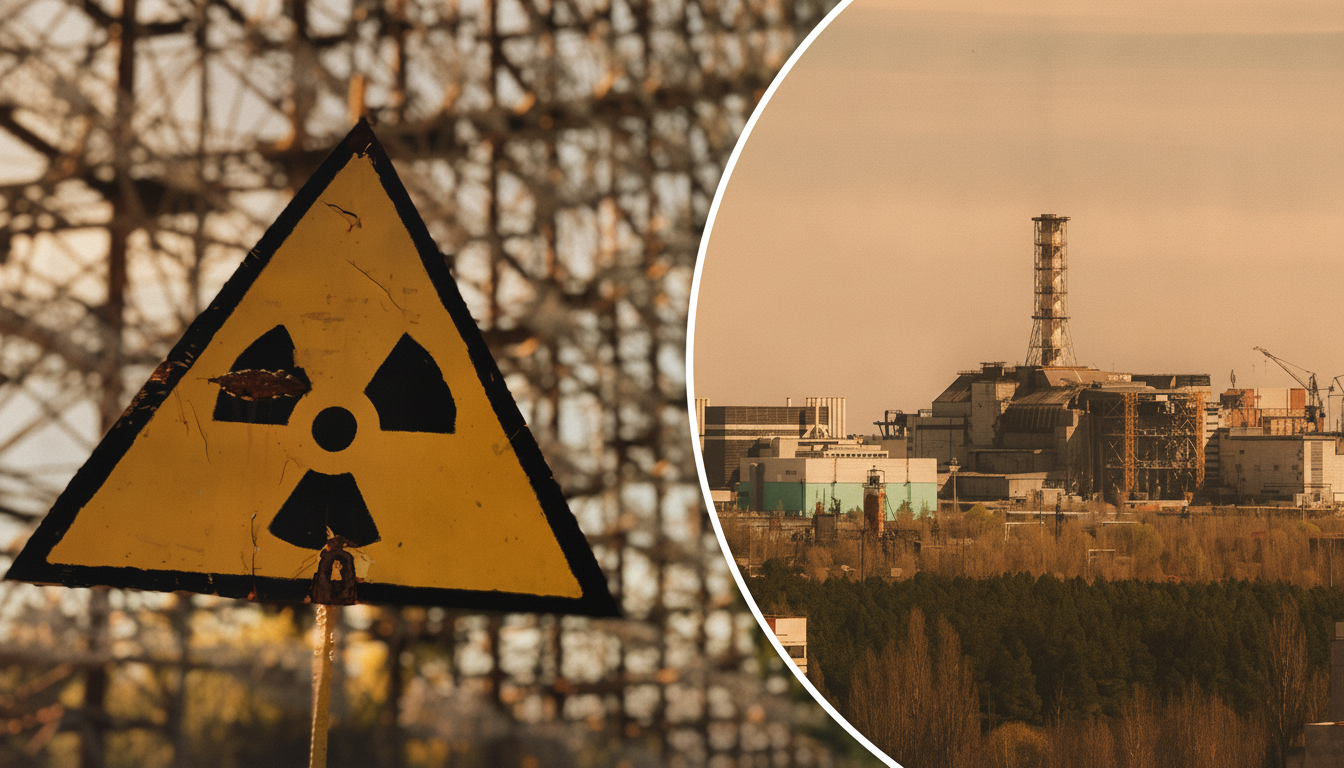
Black Mold Discovered in the Chernobyl Exclusion Zone
According to Novyny.live: A species of black mold known as Cladosporium sphaerospermum has been identified in the Chernobyl Exclusion Zone, demonstrating the ability to survive under high levels of ionizing radiation. This discovery emerged from extensive research led by Ukrainian microbiologist Nelli Zhdanova.
This particular mold was found inside the shelter built over the destroyed fourth reactor of the Chernobyl Nuclear Power Plant. The catastrophic accident at the plant occurred on April 26, 1986, triggering ongoing large-scale studies that continue to this day. Inside the reactor shelter, scientists have identified 37 different fungal species, with Cladosporium sphaerospermum being the most prevalent among them.
Research and Significance of the Discovery
Researchers Kateryna Dadachova and Arturo Casadevall determined that ionizing radiation can actually stimulate the growth of this fungus. Their findings reinforce the idea that organisms can adapt to extreme environments, including areas with intense radiation exposure. Studying such fungi could provide new insights into biological processes in contaminated zones and their environmental impact.
The presence of Cladosporium sphaerospermum in the Chernobyl Exclusion Zone carries major implications for understanding how living organisms adapt to radioactive contamination. It highlights the need for further research in this field, which could lead to novel ecological strategies and bioremediation techniques for polluted areas. Knowledge of organisms that survive in extreme conditions may also benefit other scientific areas related to radiation safety and environmental protection.
Read also
- Romanian F-16 Shoots Down Drone Over National Airspace: Key Details on the Incident
- Zaporizhzhia Bombing: 30 Wounded, Including Seven Children, After Russian Airstrike
- Two Wounded, Furniture Store Damaged in July 24 Strike on Odesa
- July 24 Missile Strike on Kyiv: 10 Dead and Nearly 100 Wounded
- Deadly Strikes Hit Kyiv Region and Sloviansk: 11 Killed, Dozens Wounded
- Two Bombs Hit Sloviansk: 5 Killed and 9 Wounded in Russian Strike