Spirit Day on June 1: Strict Prohibitions and Traditional Folk Beliefs.

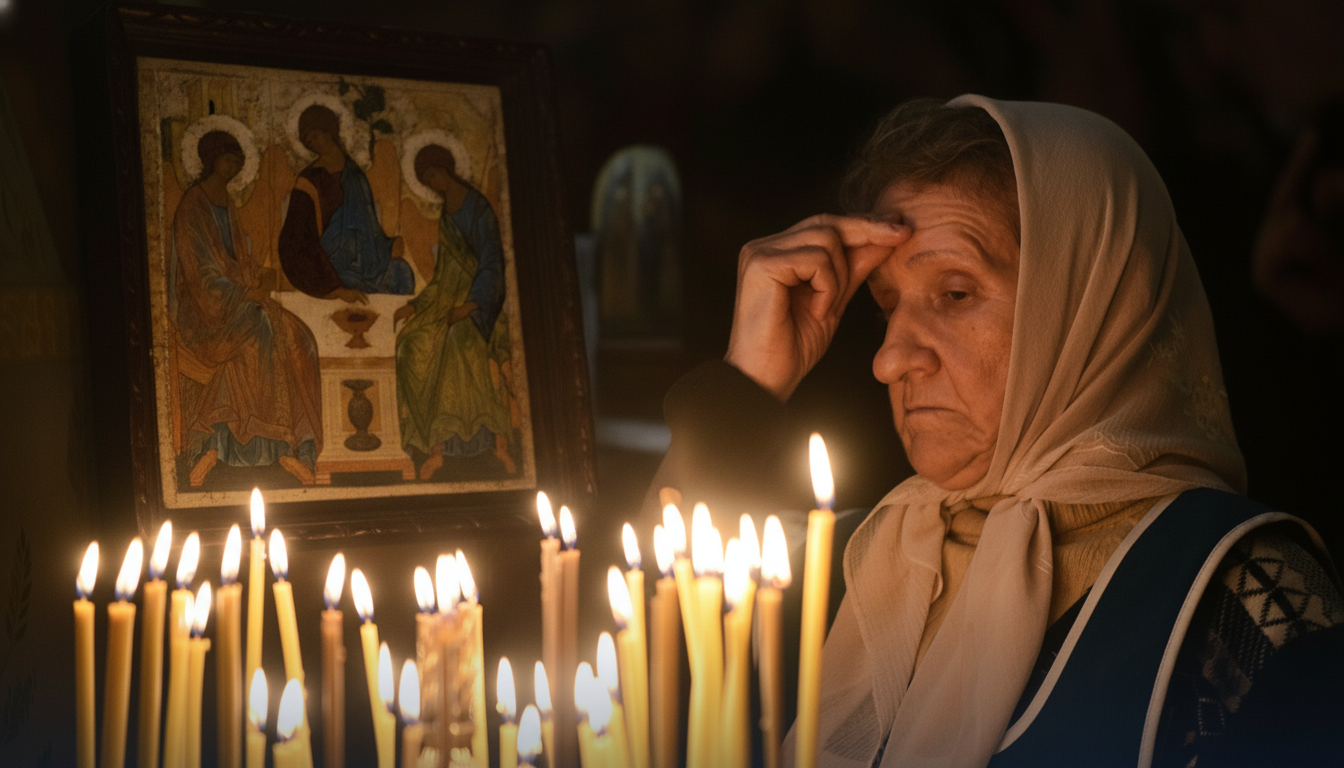
Observing the Day of the Holy Spirit in Ukraine
According to Novyny.live: On June 1, Orthodox believers in Ukraine honor the Day of the Holy Spirit, a major religious occasion dedicated to the Third Person of the Holy Trinity. For many faithful, this celebration carries deep spiritual significance and is observed with a set of strict guidelines and customs that shape the day's conduct.
What Is Forbidden on the Day of the Holy Spirit
Certain activities are strictly avoided on this holy day to maintain peace and spiritual focus. Believers are expected to refrain from:
- heavy labor in gardens or fields;
- household chores like cleaning;
- handicrafts or needlework;
- quarrels and insults;
- refusing to help others;
- visiting cemeteries;
- indulging in sadness or gloom;
- excessive drinking of alcohol;
- overly boisterous merrymaking.
These prohibitions are intended to ensure the day is spent in harmony and quiet reverence, aligning with the spirit of the holiday.
Folk omens also play a role in how this day is understood. Rain on June 1 is seen as a promise of sufficient moisture for crops, while spotting lightning is considered a favorable sign. Heavy morning dew is interpreted as a forecast of a plentiful harvest of grain and vegetables in the coming summer. These beliefs reflect traditional views on the connection between nature and daily life.
Thus, the Day of the Holy Spirit is not only a religious observance but also a key element of Ukrainian cultural heritage, blending faith, custom, and folk wisdom. On this day, believers strive to follow the restrictions and turn their thoughts to the Holy Spirit, seeking blessings in all their endeavors.
This feast day holds a prominent place in the church calendar, underscoring the deep religious and cultural traditions of the Ukrainian people. Adhering to the bans and rituals helps preserve spiritual practices and strengthens community bonds. In the context of Ukraine's agricultural society, the associated omens highlight the link between religious faith and natural cycles—an essential aspect of rural life. The holiday serves as a reminder of the need for harmony between humans and nature, as well as the spiritual values that shape Ukrainian society.
Read also
- 4.6 Million Displaced People Left Without Homes: Why Government Aid Programs Are Failing Ukraine’s IDPs
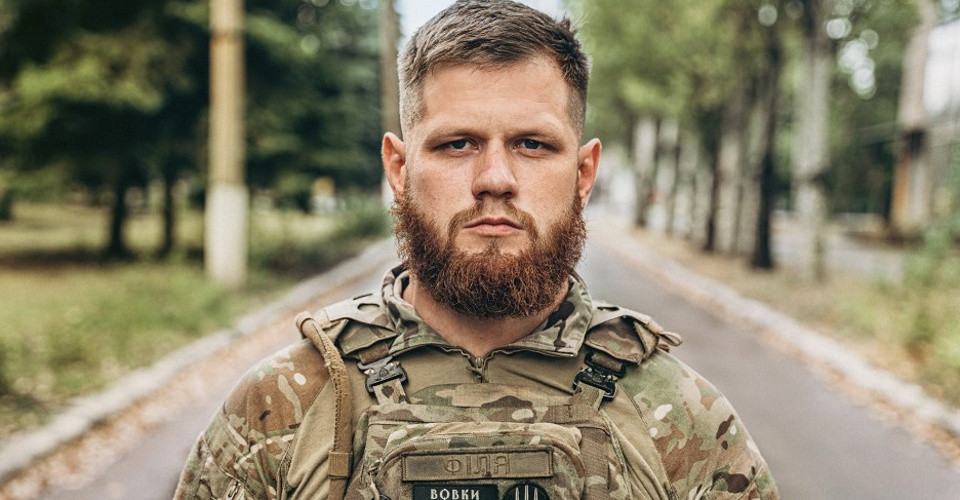
- Syrskyi Reprimands Major Filimonov: Inside the 108th Battalion Controversy
- 100,000 Dolphins Killed in the Black Sea – War Is the Main Cause
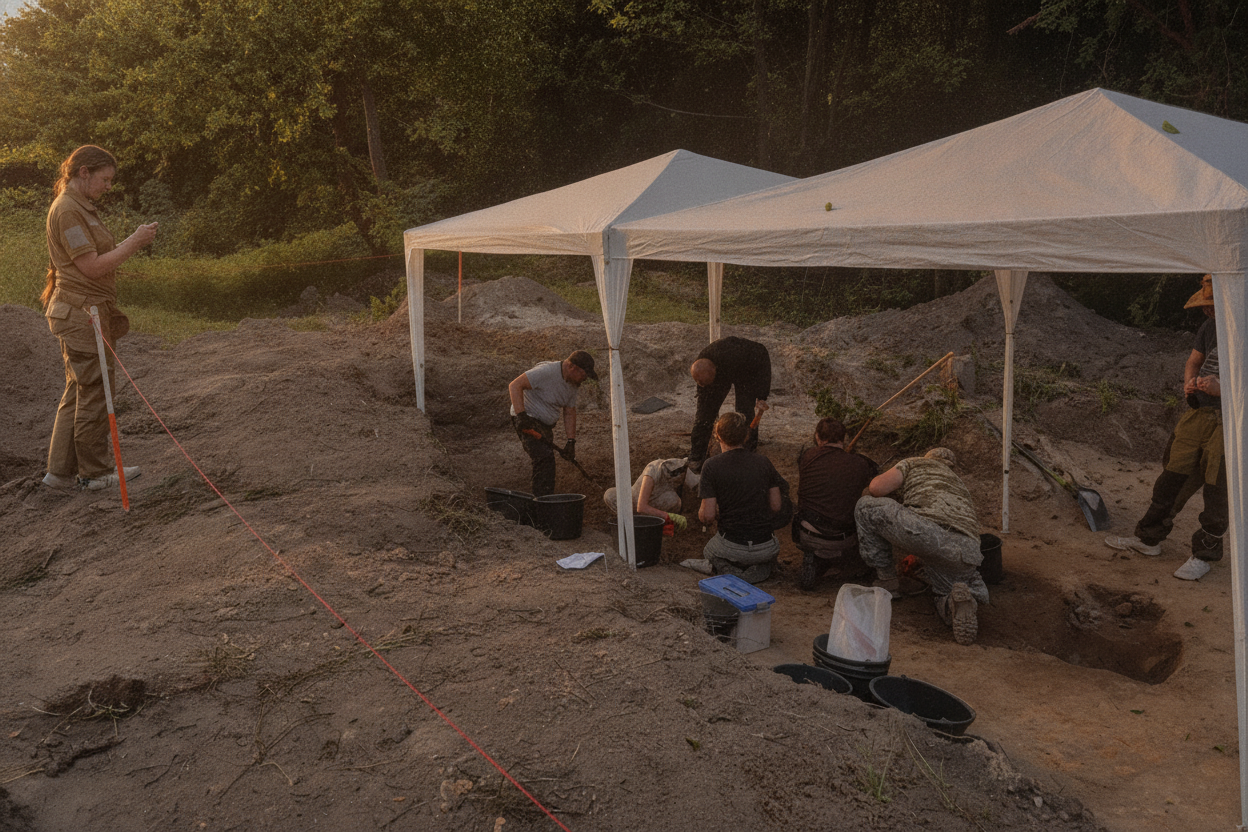
- 1943 Mass Grave of Conflict Victims Discovered by Polish and Ukrainian Archaeologists
- Crimes Against Ukrainians in Poland Surge to Shocking Levels
- Why Historian Valeriy Vozgrin's Untold Story of the Crimean Tatars Matters Now