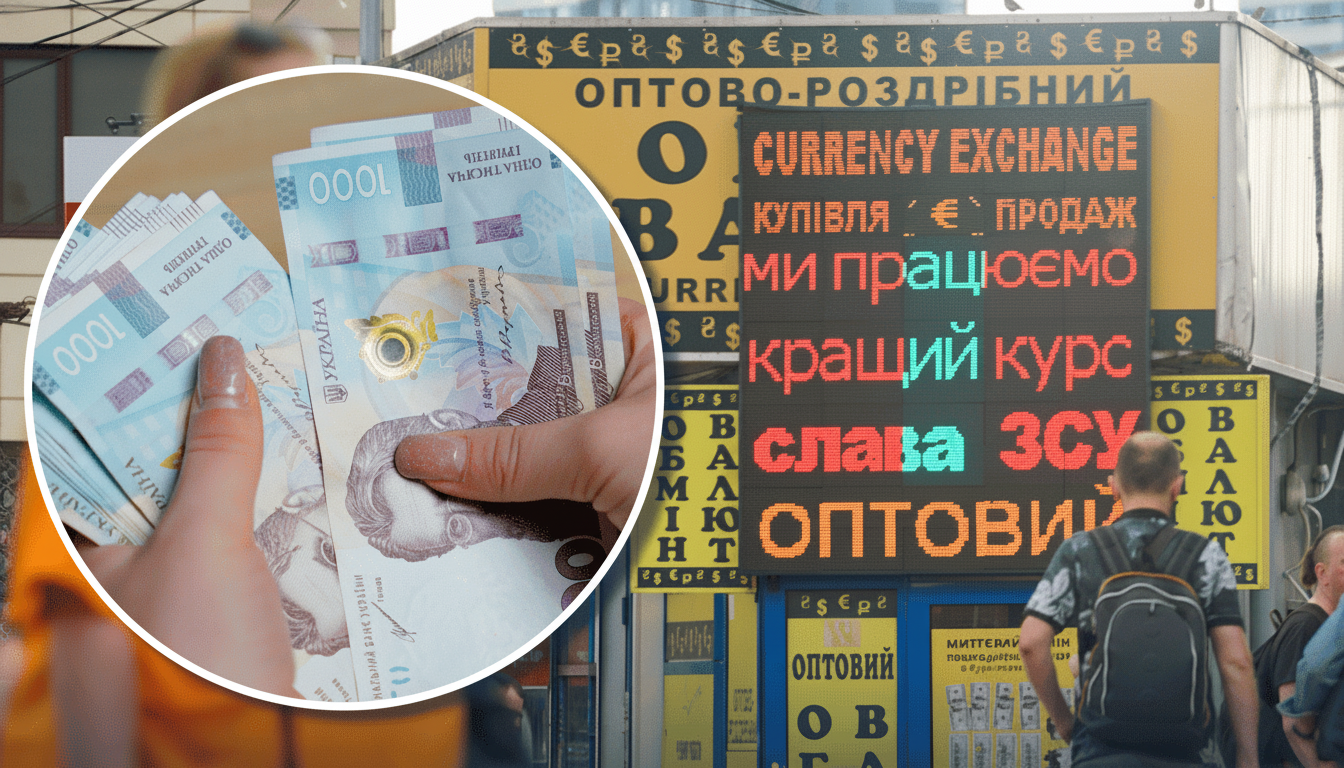
Ukraine's Economy Forecast for 2.5% Growth in 2026 by EBRD, Amidst Ongoing War and Challenges.

Economic Outlook for Ukraine
According to TSN.ua: The European Bank for Reconstruction and Development (EBRD) has released a forecast projecting a 2.5% growth in Ukraine's real Gross Domestic Product (GDP) for 2026. This projection comes with significant caveats, as experts anticipate the war with Russia will persist throughout the entire year, casting uncertainty over the nation's economic prospects due to ongoing hostilities and other financial pressures. The Ukrainian economy has demonstrated remarkable resilience despite the immense strain of a full-scale invasion.
In 2025, Ukraine's real GDP increased by 2%, yet several critical challenges continue to weigh heavily on economic performance. These persistent pressures include:
- A significant shortage of electrical power;
- A decline in agricultural output;
- A chronic scarcity of available labor.
Specifically, the country's trade deficit has widened, partly driven by a drop in grain exports, which further undermines the overall economic situation.
The Path Forward for Ukraine's Economy
Looking beyond the immediate conflict, projections suggest Ukraine's economy could accelerate to a 4% growth rate in 2027 once hostilities cease. Despite the formidable difficulties, the International Monetary Fund (IMF) has affirmed that the Ukrainian economy remains stable even in the face of sustained attacks. Thus, while navigating a protracted war and severe economic headwinds, Ukraine is actively seeking pathways to stabilize and rebuild its economy in the near future.
The EBRD's forecast underscores the prolonged challenges confronting Ukraine's economy, particularly the war's deep impact on core economic indicators.
As combat operations continue, the nation grapples with critical energy shortages and reduced production in its vital agricultural sector, both of which detrimentally affect the broader economic health. Concurrently, sustained support from international financial institutions like the IMF points to a foundational potential for robust economic recovery once the conflict concludes.
Read also
- Kyivstar Launches 300 UAH Plan with 150 UAH Discount: Full Breakdown of Benefits
- US Gas Captures 60% of EU Market as Russian LNG Imports Jump by a Quarter
- Russia’s Economy Slips into Stagnation: Could This Pave the Way for Crimea’s Return to Ukraine?
- Fuel Prices Hold Steady in Kharkiv Region: Here’s the Cost of A-95, Diesel, and Autogas
- How Ukrainians Can Protect Their Savings During Wartime: An Economist’s Advice
- Ukrainian Hryvnia Hits 44.37 per Dollar as Central Bank Warns of Further Decline to 46