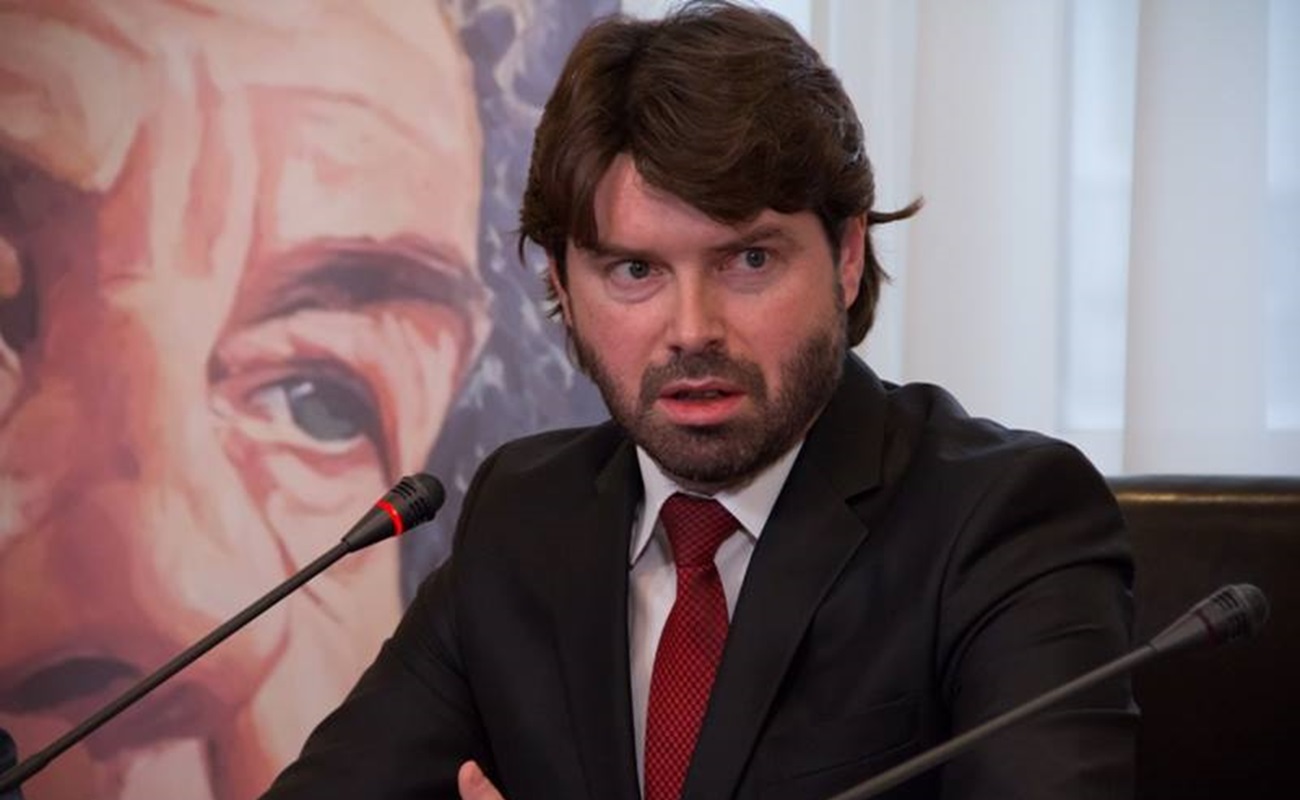
Former WTO Chief on Russia Sanctions: The Economy Is Being Weakened—and This Is Only the Beginning.

Sanctions Against Russia and Their Economic Impact
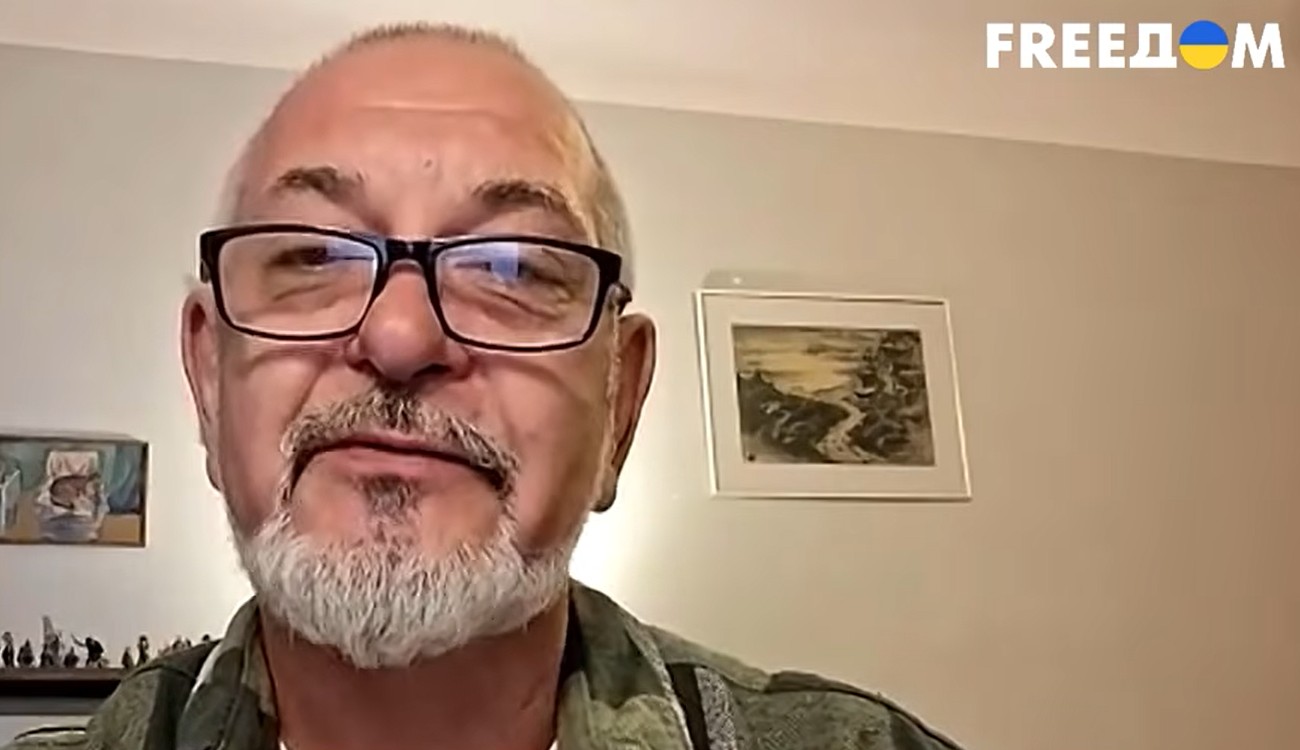
According to Espreso.tv: In a recent interview, Pascal Lamy—the former Director-General of the World Trade Organization—discussed the sanctions imposed on Russia and their consequences for the country's economy. He noted that Western nations have intensified their sanctions pressure on Russia since 2022. According to Lamy, these measures are already producing serious, tangible effects on the Russian economy.
Since early 2022, the West has steadily expanded its sanctions regime against Russia, resulting in significant losses for the country. By early 2026, Russia had lost at least $7 billion due to strikes on its oil refining infrastructure. This situation has taken a toll on the state's financial health: between January and April 2026, Russia's budget deficit reached 5.9 trillion rubles.
Economic Strain and Rising Military Spending
In response to mounting pressure, Russia was forced to increase its war-related spending by 40% above the planned level on June 18, 2026. This shift highlights how economic difficulties are compelling the country to redirect financial resources toward military operations. Despite these challenges, Russia boosted its pipeline oil exports by 22% month-over-month on June 23, 2026, indicating an effort to adapt to the new circumstances.
'They are weakening the economy, and in my view, they will weaken it even further in the future,' — Pascal Lamy
Lamy emphasized that the sanctions are significantly undermining Russia's economy. He also pointed to Western efforts aimed at curbing Russian military aggression. 'From the very beginning, when the Russian Federation invaded Ukrainian territory, our goal was to contain the Russian military. As far as I understand, this is now being carried out quite effectively by the Armed Forces of Ukraine, with help from the European Union and, to some extent, with support from the United States of America,' Lamy concluded.
In summary, the sanctions against Russia continue to have a severe impact on its economy, potentially leading to further complications down the road. The economic hardships Russia is facing are forcing a shift in funding priorities—particularly by channeling more resources into military operations—which could have long-term consequences for the country's internal stability. At the same time, Russia's adaptation to these conditions, including the increase in oil exports, shows that its authorities are seeking new ways to sustain economic activity under the pressure of sanctions.
Read also
- New U.S. Tariffs Hit 60 Nations: Here Are the Rates for the EU and Russia
- Russia’s Oil and Gas Revenue Set to Surge by 60%—Here’s What’s Driving the Jump
- IMF Disburses $690 Million Second Tranche to Ukraine: Where the Funds Are Going
- Russia’s Budget Deficit Could Hit 7 Trillion Rubles—What Are the Default Risks?
- Expert Sets Critical Threshold: 60% of Russia's Oil Refining Capacity Must Be Destroyed
- Russia Faces Imminent Fuel Crisis: Why Refinery Recovery Is Nearly Impossible, Expert Warns