From Provocations to Full-Scale War: An Expert Breaks Down Scenarios of Russian Aggression Against NATO.

Potential Paths of Russian Hostility Toward NATO
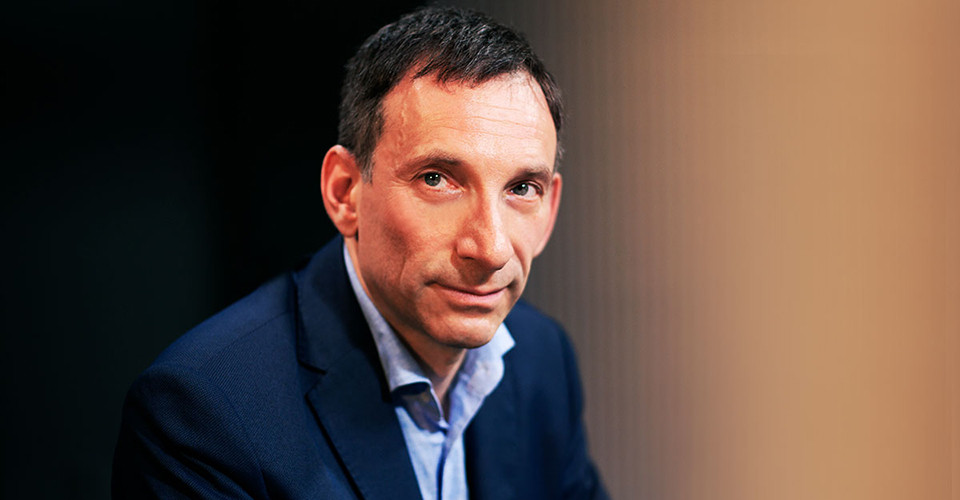
According to Espreso.tv: Oleksandr Kraiev, an expert from the Ukrainian Prism think tank and a senior lecturer in international relations at the Kyiv-Mohyla Academy, analyzes possible forms of Russian aggression against NATO. He argues that not every hostile move by Moscow would necessarily trigger a large-scale war. This perspective highlights the broad spectrum of threats the alliance may face—ranging from hybrid attacks to outright military confrontation.
In recent months, Russian drones have entered Polish and German airspace, while missile debris has landed in both Poland and Romania. These incidents underscore the real dangers confronting NATO’s eastern flank. In response to the heightened tensions—especially since Russia launched its full-scale invasion of Ukraine—alliance members have significantly bolstered their defensive postures.
Russian Provocations and NATO’s Response
Countries such as Poland, the Baltic states, and other Eastern European nations have repeatedly warned about the risks of Russian provocations. Kraiev stated that
“any Russian aggression against NATO should trigger a full-fledged response from the alliance and U.S. armed forces.”He also emphasized that
“the Russians don’t necessarily have to start a full-scale aggression,”pointing to the possibility of subtler, less overt forms of hostile action.
The expert noted that such hybrid scenarios could pose a serious challenge for NATO. This underscores the need for the alliance to remain prepared for a wide array of threats emerging from today’s geopolitical landscape. Given these factors, it is critical for NATO members to keep strengthening their defenses and stay vigilant against potential Russian moves.
The situation on NATO’s eastern flank remains tense, and experts stress that enhancing the alliance’s defensive capabilities is more urgent than ever. Boosting readiness and coordination among member states could help prevent conflict escalation across Europe. In this context, it is vital for NATO countries not only to respond to potential threats but also to actively develop conflict-prevention strategies.
Read also
- Belarus Moves Special Forces to Ukraine Border: Lukashenko's Latest Military Moves
- Ukraine Protests Demand Syrskyi's Ouster After Fedorov's Resignation
- What Ukraine Needs to Win: Fedorov’s Resignation and the Push for Strategic Overhaul
- Leadership Shifts in Ukraine’s Armed Forces Are Unavoidable: Syrskyi Struggles to Retain His Position
- Veterans Issue Ultimatum: Remove Syrskyi and Appoint Fedorov as Defense Minister
- A War-Time First: Defense Minister Fedorov Resigns