Nuclear Threat to Europe: Greenpeace Exposes Russia’s Blueprint for the Zaporizhzhia Plant.

Assessing the Situation at the Zaporizhzhia Nuclear Power Plant
According to Espreso.tv: Greenpeace Ukraine has analyzed Russia’s strategy for the Zaporizhzhia Nuclear Power Plant (ZNPP), revealing the Kremlin’s goal of merging the facility into Russia’s own power grid. This move raises serious nuclear safety concerns, as the plant has been under Russian occupation since 2022, a situation that has drawn global attention.
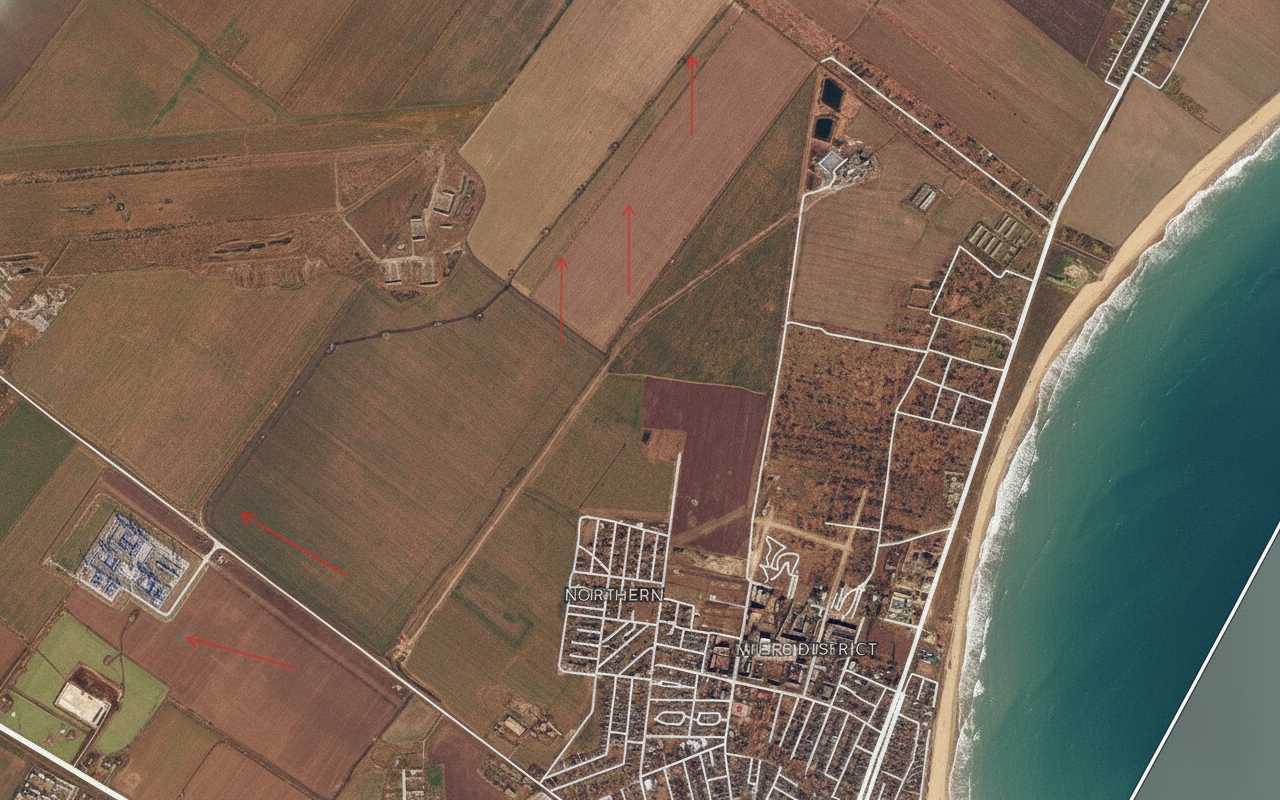
Moscow plans to link the ZNPP to the power network of occupied territories, including Crimea, by constructing a new transmission line between Melitopol and Henichesk. While Rafael Grossi, Director General of the International Atomic Energy Agency (IAEA), has suggested that reactors could be restarted under Rosatom’s oversight, such statements are troubling because they conflict with multiple IAEA Board of Governors resolutions.
“Since 2022, Russia has used its occupation of the Zaporizhzhia nuclear power plant as a tool of nuclear terror against Europe.”
Jan Vande Putte
Sean Burney, meanwhile, highlighted that 'it is striking that a candidate for the next UN Secretary-General is promoting a position that contradicts numerous IAEA Board of Governors resolutions and the principles of the UN Charter.'
Russia’s Key Objectives for the Zaporizhzhia Plant
- Disconnecting the plant from Ukraine’s power system;
- Restarting its operations;
- Supplying electricity to industries in the occupied Donbas region;
- Supporting mining and agriculture in occupied areas;
- Powering occupied territories and military logistics;
- Providing electricity to southern regions of Russia.
As a result, the situation at the Zaporizhzhia Nuclear Power Plant remains highly volatile, posing severe nuclear safety risks not only for Ukraine but for all of Europe.
Russia’s control over the ZNPP could create new threats for Ukraine and its neighbors, as any major incident at a nuclear facility could have catastrophic consequences. Amid ongoing war and political instability, it is essential for international bodies like the IAEA to continue monitoring the situation and enforcing nuclear safety standards. These developments underscore the urgent need for global cooperation to prevent nuclear risks in conflict zones.
Read also
- EU Agrees on 21st Sanctions Package Against Russia: Fresh Curbs Targeting Finance and Energy
- Trump Approves Nuclear Deal with Saudi Arabia, Allowing Enrichment Without IAEA Oversight
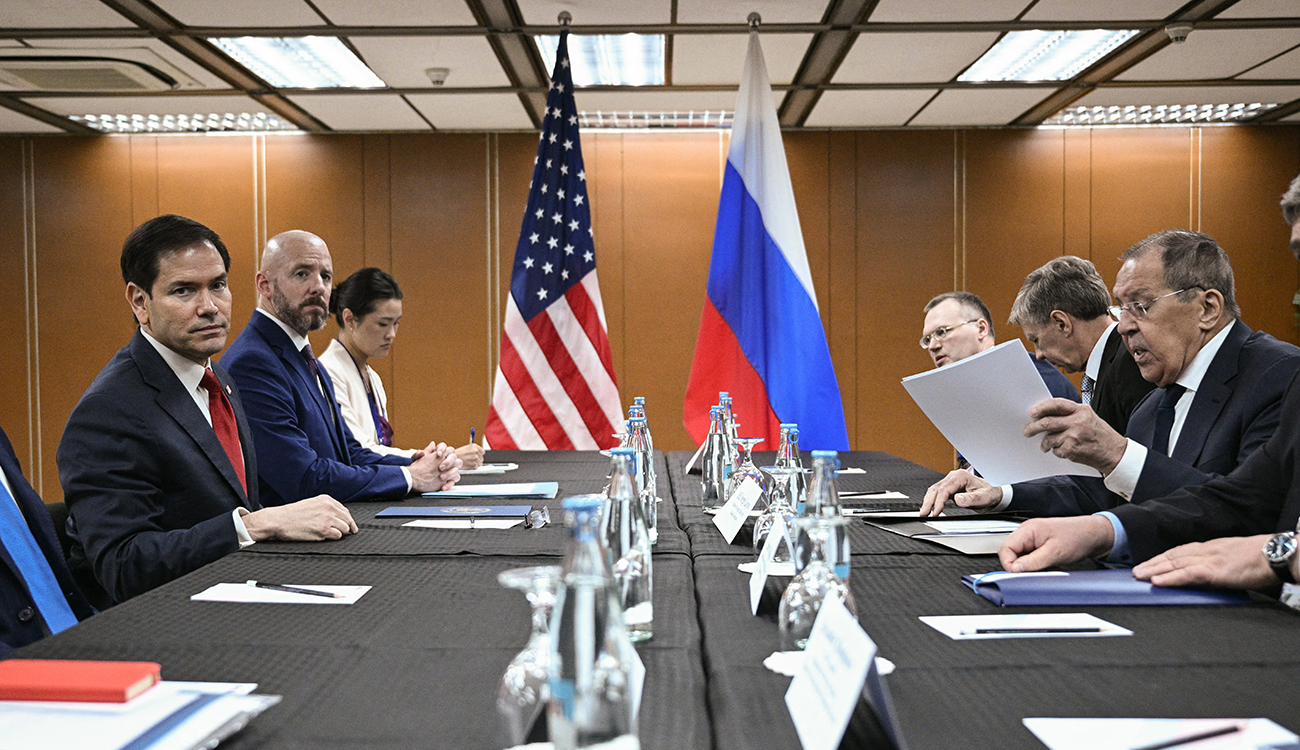
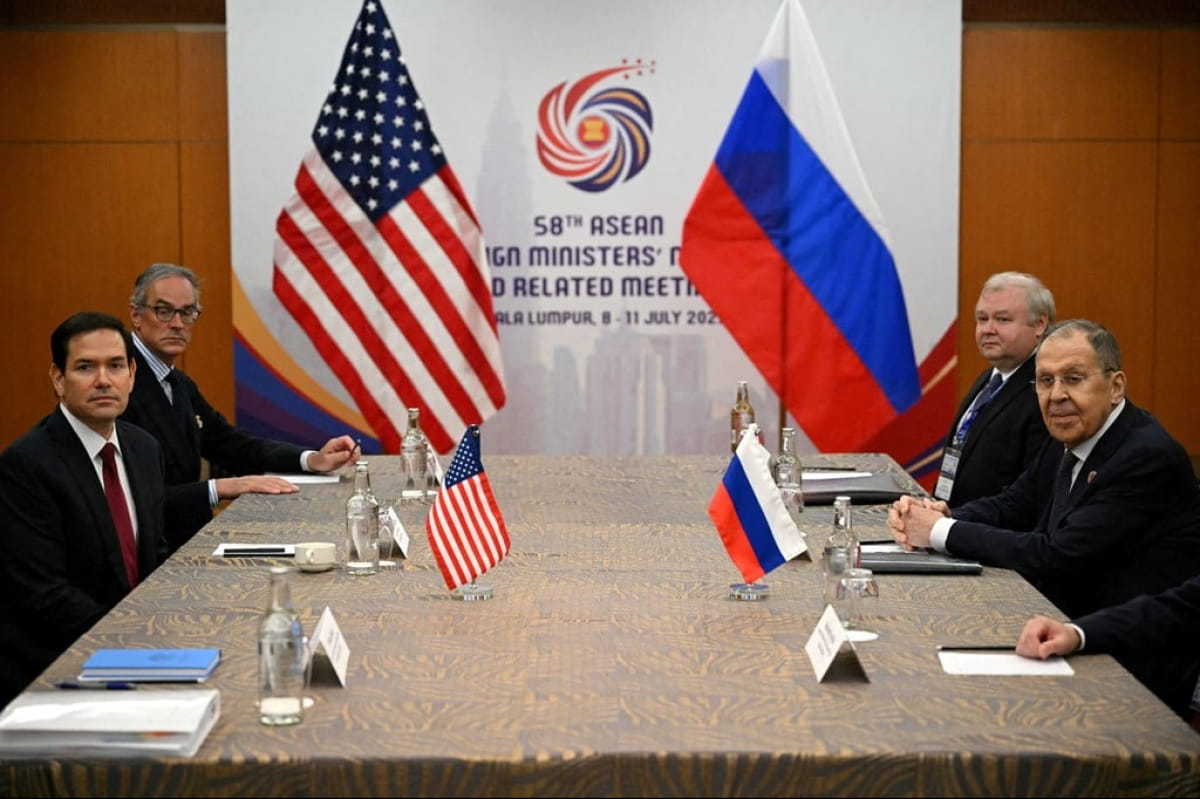
- Rubio and Lavrov Hold Talks in Manila: Key Topics at the ASEAN Summit
- Lavrov Delivers an Ultimatum to Rubio: Demand to Halt U.S. Military Aid to Ukraine
- Pentagon Requests $67 Billion More as US War Costs Against Iran Hit $37.5 Billion
- Ukraine's Supreme Court Judge Declares Sanctions Against Poroshenko Illegal: Key Violations Explained