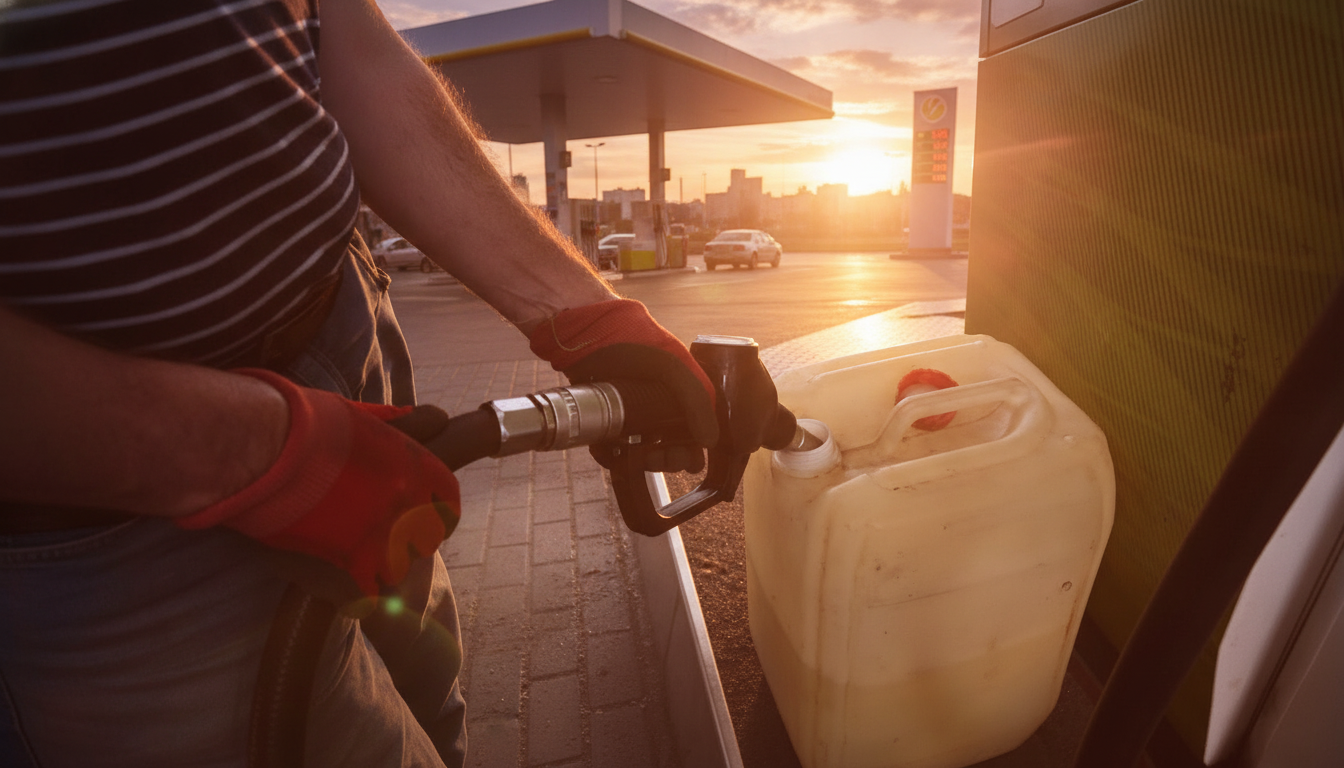
Study Reveals Electric Vehicle Owners Save Over $1,000 Annually in Germany and the UK.

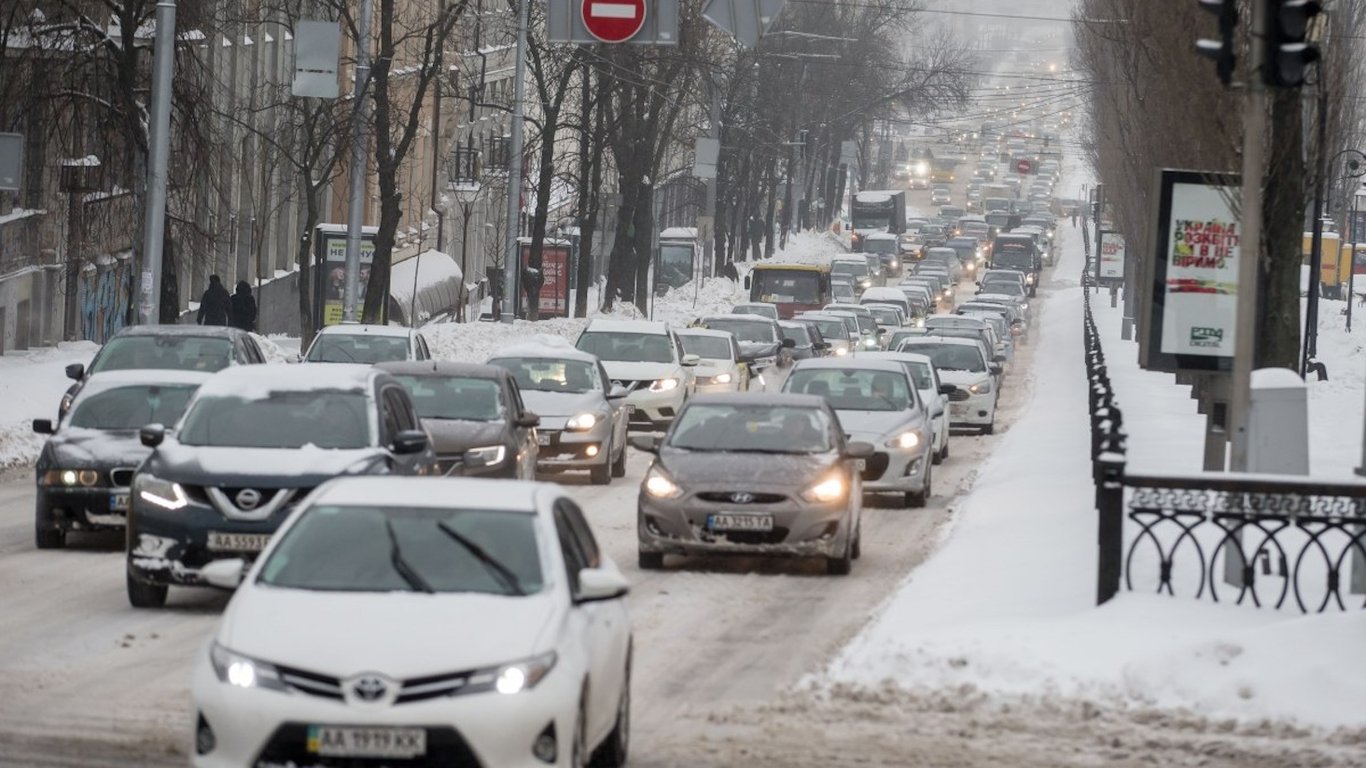
The Cost Advantage of Electric Vehicles
According to Novyny.live: New research from Klimaneutrales Deutschland and the Energy and Climate Intelligence Unit highlights substantial annual savings on fuel and maintenance for electric vehicle (EV) owners in Germany and the United Kingdom. The findings show that German EV drivers can save an average of $1,200 per year, underscoring the financial benefits of making the switch. This analysis arrives as many consumers weigh the upfront cost of EVs against long-term value.
In the UK, the annual savings for electric vehicle users are even more significant, reaching approximately $1,800. This provides a compelling economic incentive for potential buyers. Furthermore, the initial higher investment in an EV is typically recouped within just 2 to 3 years, enhancing the appeal of this investment.
Long-Term Savings and Supporting Infrastructure
Over a 14-year ownership period, EV owners stand to save between $13,000 and $27,000, depending on local conditions and the specific market. The study also notes that smart meter adoption, which can help manage energy costs, varies greatly between the two nations. In the UK, over 62% of households use smart meters, while in Germany, the figure is only around 1%, which may affect the level of savings achievable.
These figures emphasize the dual advantages of switching to electric vehicles: they benefit both household budgets and the environment by reducing carbon emissions. The transition to EVs is a key component of broader climate strategies in developed nations.
The research underscores that the shift to electric vehicles is crucial not only for economic reasons but also for its significant environmental benefits.
Given the rising popularity of electric cars, governments have an opportunity to implement more robust incentive programs. Such measures would support consumers and accelerate the expansion of essential charging infrastructure, aiding in the achievement of greenhouse gas reduction targets and improving urban air quality.
Read also
- Expert Sets Critical Threshold: 60% of Russia's Oil Refining Capacity Must Be Destroyed
- Russia Faces Imminent Fuel Crisis: Why Refinery Recovery Is Nearly Impossible, Expert Warns
- Economist identifies Russia's point of no return: why it can never reclaim its place among global economic leaders
- Deadly Fuel Lines in Russia as Authorities Divert Gasoline to Moscow Amid Shortage
- Fuel Crisis Hits Russia: Military Gets Only 30% of Needed Supply After Ukrainian Strikes
- Russia Sets Record in Gold Sell-Off: What It Signals for the Economy