Ukraine’s New Digital Draft Notices: What Changes on April 1 for Those Eligible for Military Service.

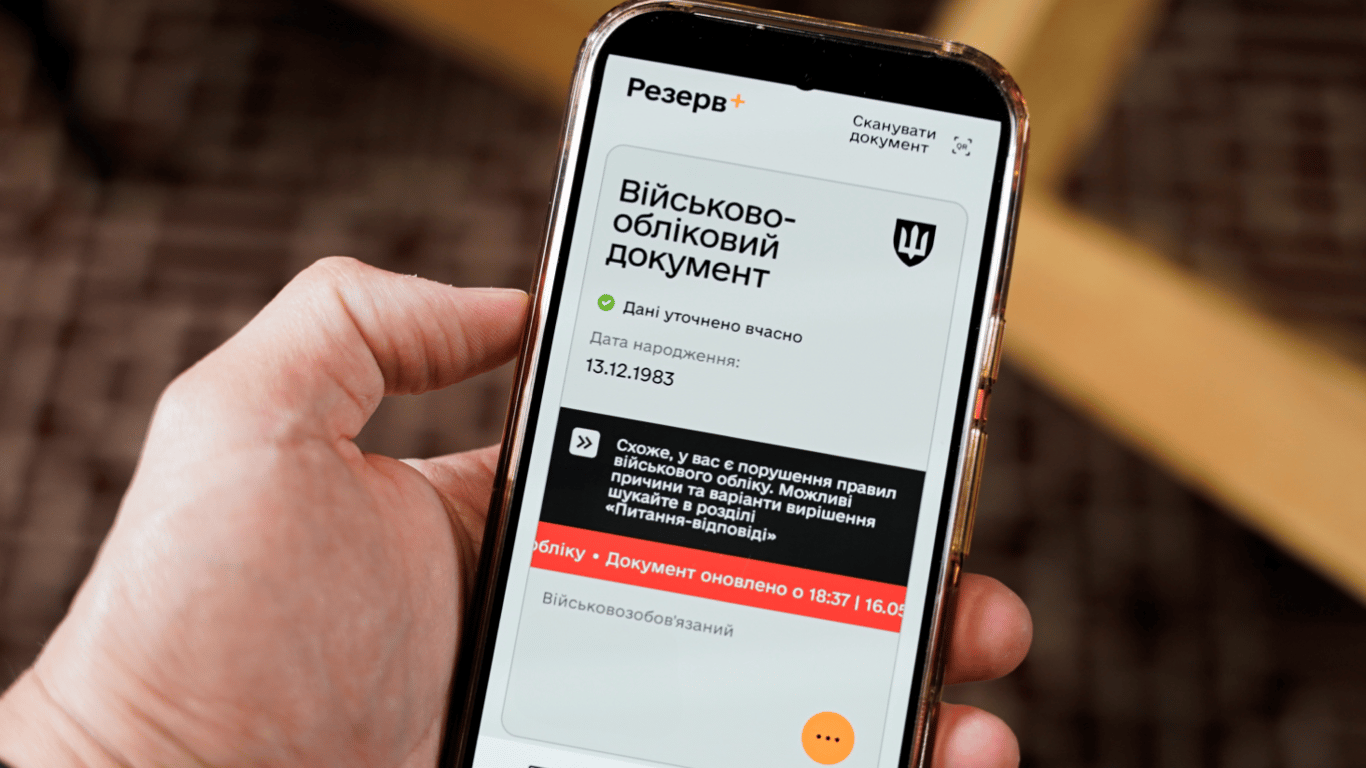
Updated Citizen Duties Under Mobilization Rules
According to Novyny.live: Starting April 1, 2023, Ukraine is rolling out new obligations for citizens related to mobilization. A key change is the introduction of electronic summonses, which will be delivered directly to a conscript’s online account. This reform aims to streamline the notification process and make it faster and more reliable.
Advantages of Going Digital with Draft Notices
By moving summonses online, officials expect to ease the burden on traditional delivery methods. Once a digital notice appears in the system, it is legally considered served. Currently, the main remote delivery option is a registered letter via Ukrposhta, but the shift to electronic notices promises greater convenience and speed.
Anna Daniel, a representative of the relevant authorities, stated: 'An electronic summons is considered delivered as soon as it appears in the conscript’s online account.'
She further emphasized that 'the state does not need to prove that you clicked the “read” button. If the summons shows up in the system, you are legally notified.' This means that technical excuses will no longer allow individuals to avoid receiving their draft notices.
The implementation of digital signatures by Territorial Recruitment Centers (TCCs) is paving the way for electronic summonses to carry the same legal weight as paper ones. This marks a significant step in modernizing Ukraine’s mobilization framework, embracing technology for greater efficiency and transparency. With these new digital tools, Ukrainian citizens will have updated ways to engage with state agencies during the mobilization process.
These legislative updates are part of broader efforts to overhaul government operations in Ukraine, particularly in the military domain. The adoption of electronic summonses reflects the government’s drive to cut through red tape and adapt to modern tech, simplifying communication between the state and its people. This could also boost the mobilization process by making it more timely and user-friendly for those required to serve.
Read also
- France and Germany Join Forces on New Missile Defense System: Key Details Revealed
- Zelenskyy's Decision on Syrskyi: Who Replaced Yermak in the Security Shuffle
- Zelenskyy to Declassify SBU and Intelligence Archives: Tusk Reacts Positively
- Putin’s Approval Rating Hits Record Low: Does He Still Have Room to Escalate?
- Trump Backs Late Senator Graham’s Sister in Her Bid for a U.S. Senate Seat
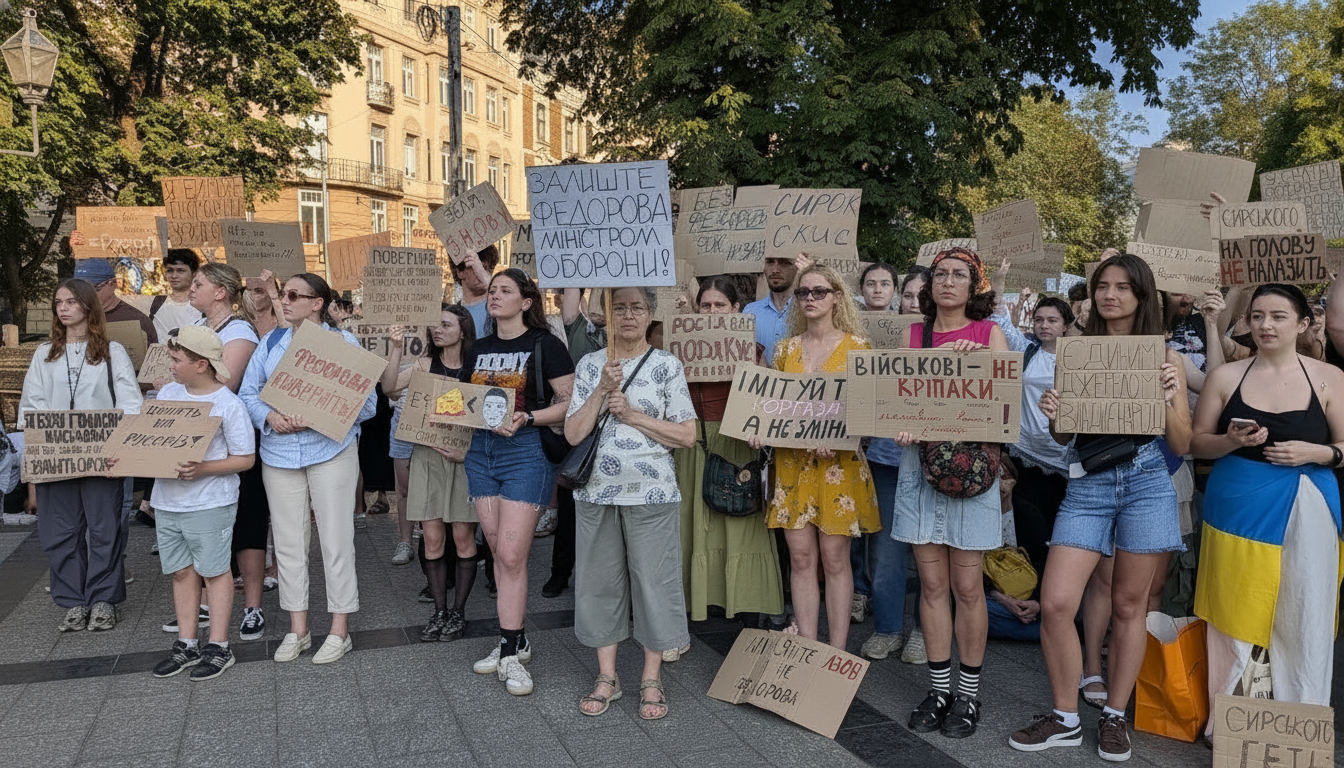
- Ukrainians Rally to Demand Firing of Commander Syrskyi and Reinstatement of Fedorov