Ukraine's Power Grid Shrinks Significantly: When New Blackouts Could Strike.


Current State of Ukraine's Energy System
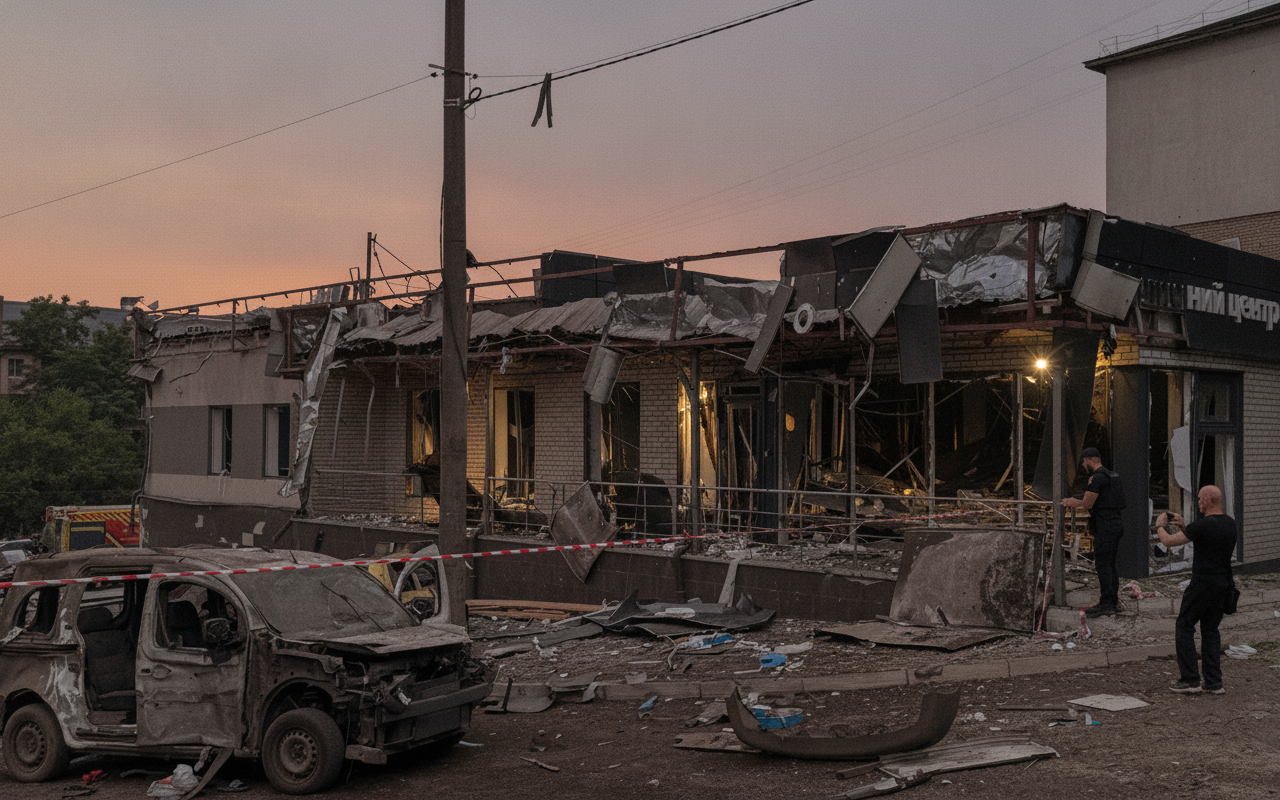
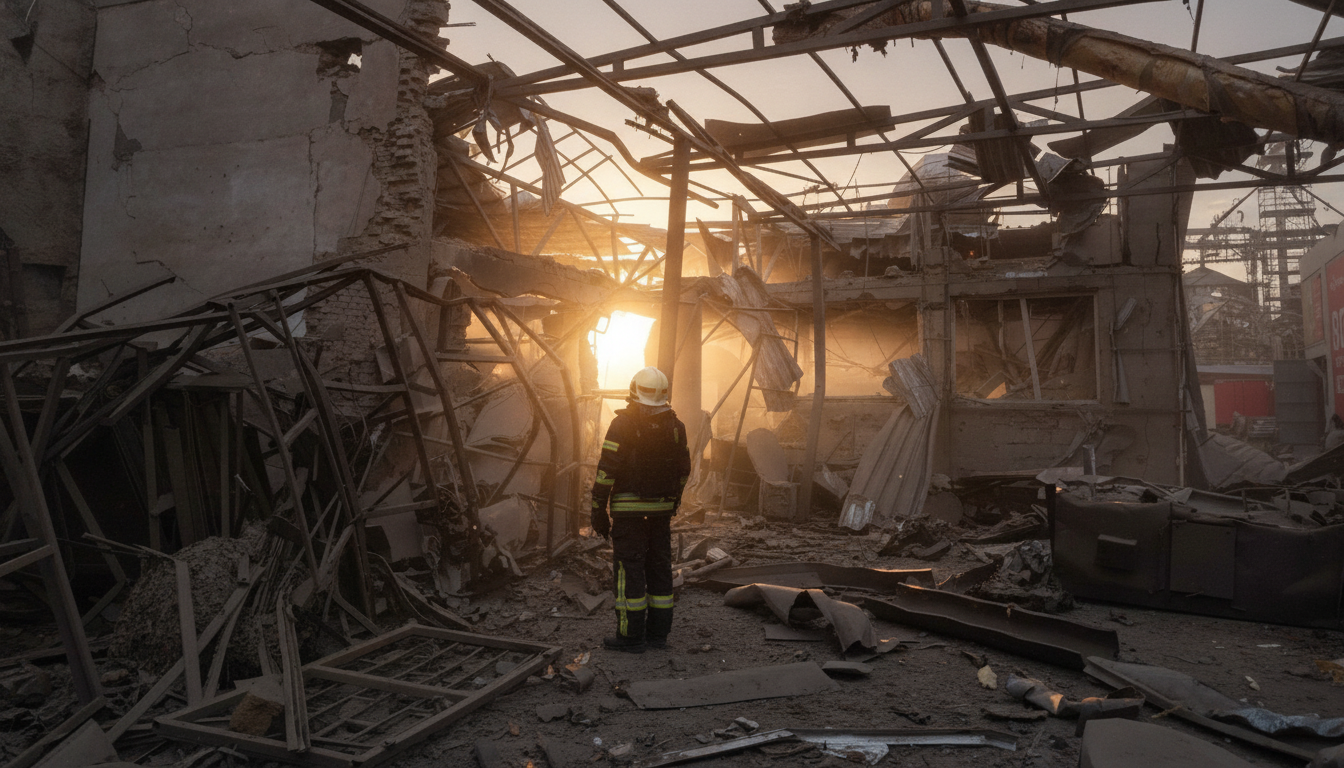
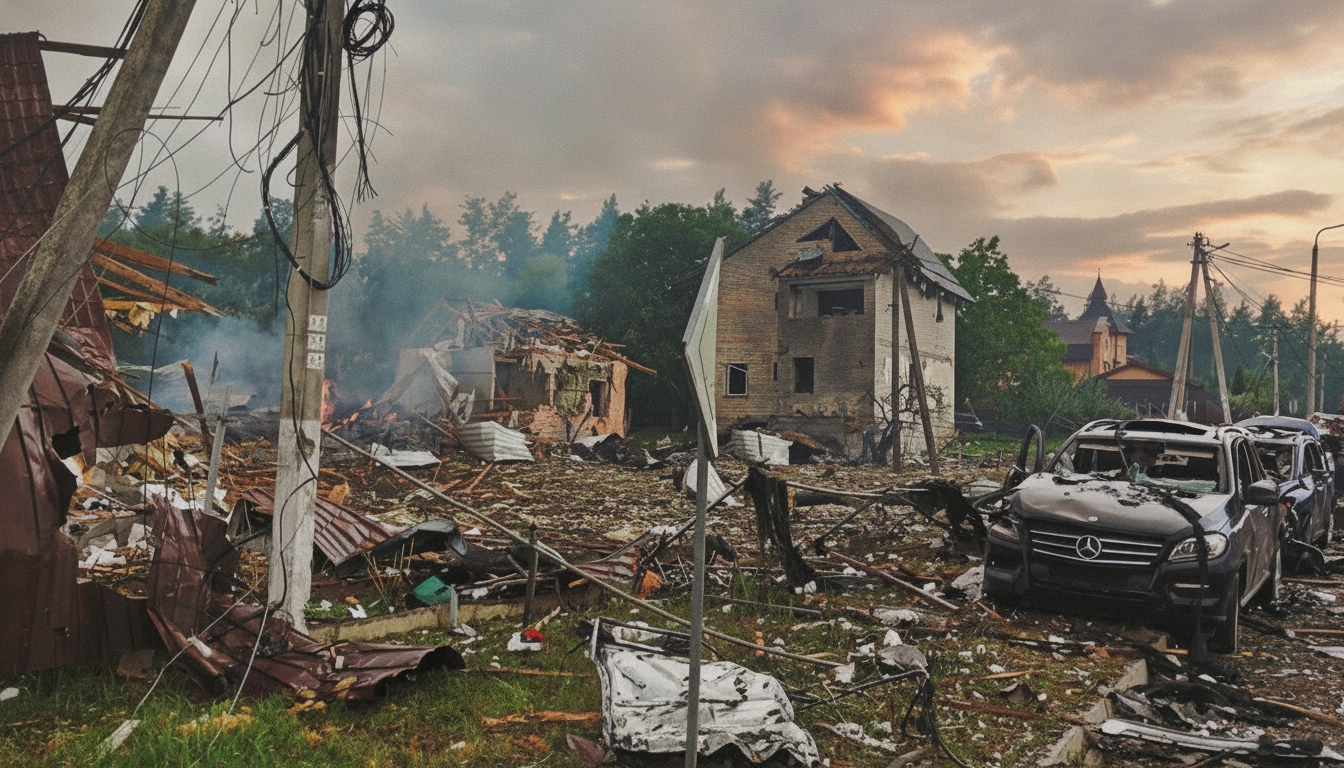
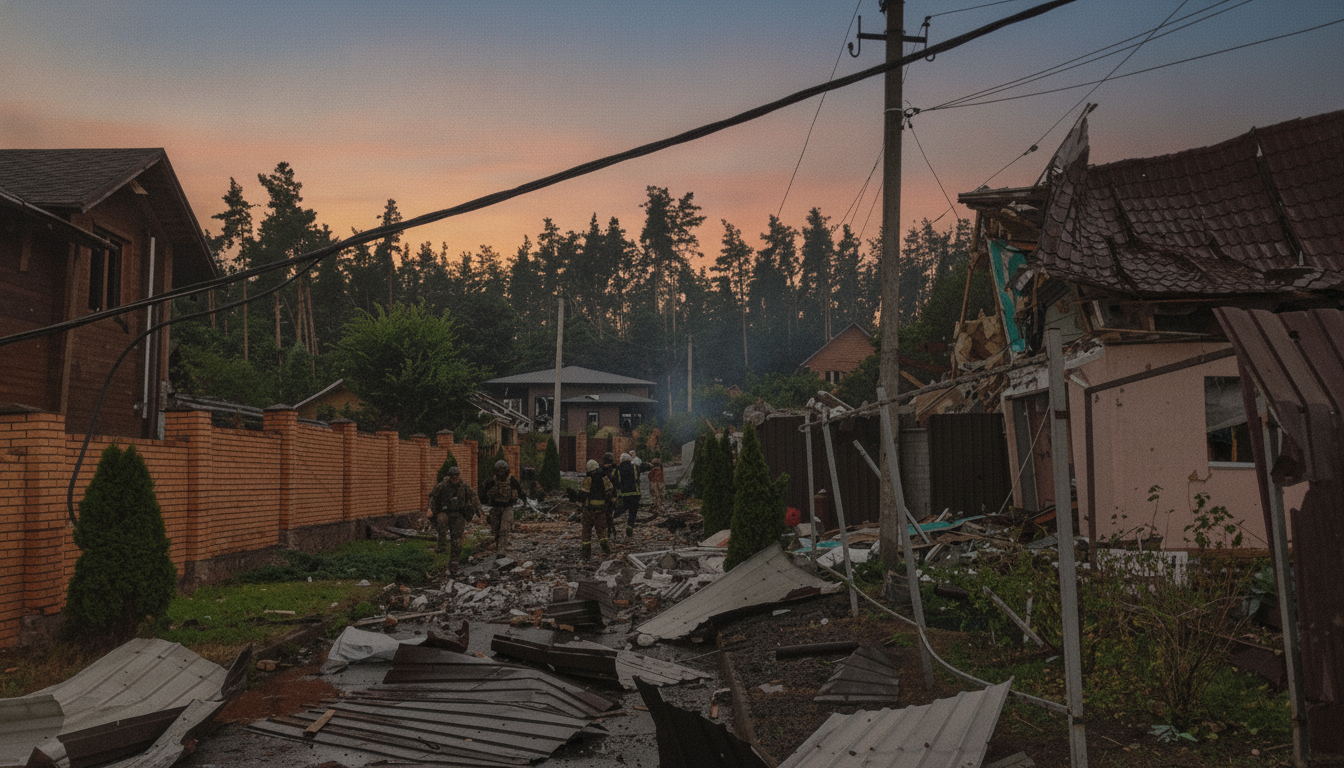
According to Novyny.live: Ukraine's energy infrastructure has experienced a major reduction in capacity due to destruction caused by military operations. The absence of long-term power outage schedules across the country stems from decreased industrial activity and low household electricity consumption. However, according to Yuriy Korolchuk, co-founder of the Institute for Energy Strategies, this situation could shift, and power cuts may resume if emergency repairs are needed at thermal power plants (TPPs) or following massive shelling attacks.
As of June 30, Ukraine has already implemented electricity supply restrictions in all regions, highlighting the strain on the national power grid. Korolchuk emphasizes that the network's stable operation remains highly fragile. He warns that prolonged blackouts in certain areas could become a reality again:
“The stable operation of the grid is very vulnerable, so prolonged blackouts in certain regions will once again become a reality in the event of emergency repairs at TPPs or massive shelling.” - Yuriy Korolchuk
Despite the potential for outages, Korolchuk notes that this does not necessarily mean they will last for extended periods. “It could happen, of course, but that wouldn't mean those 9 hours would continue for a week, for example, or even 3-4 days. It could be 2 hours, for instance, or even less,” the expert stressed.
Public Preparedness for Changes
As a result, Ukraine's energy sector remains under intense pressure, and residents must be ready for possible unpredictable electricity disruptions.
Amid the ongoing military conflict, Ukraine's energy infrastructure continues to face threats that jeopardize the stability of power supply. Reduced electricity consumption may be a temporary phenomenon linked to the war's economic fallout, yet the likelihood of blackouts underscores the need for the population to prepare for potential shifts in energy availability. This situation demands careful monitoring and adaptation to ensure continuity of services for both households and industry.
Read also
- Romanian F-16 Shoots Down Drone Over National Airspace: Key Details on the Incident
- Zaporizhzhia Bombing: 30 Wounded, Including Seven Children, After Russian Airstrike
- Two Wounded, Furniture Store Damaged in July 24 Strike on Odesa
- July 24 Missile Strike on Kyiv: 10 Dead and Nearly 100 Wounded
- Deadly Strikes Hit Kyiv Region and Sloviansk: 11 Killed, Dozens Wounded
- Two Bombs Hit Sloviansk: 5 Killed and 9 Wounded in Russian Strike