EU Outlines Conditions for Russia in Peace Talks: Key Details Emerge.

How the European Union Is Shaping Its Stance on Peace Negotiations with Russia
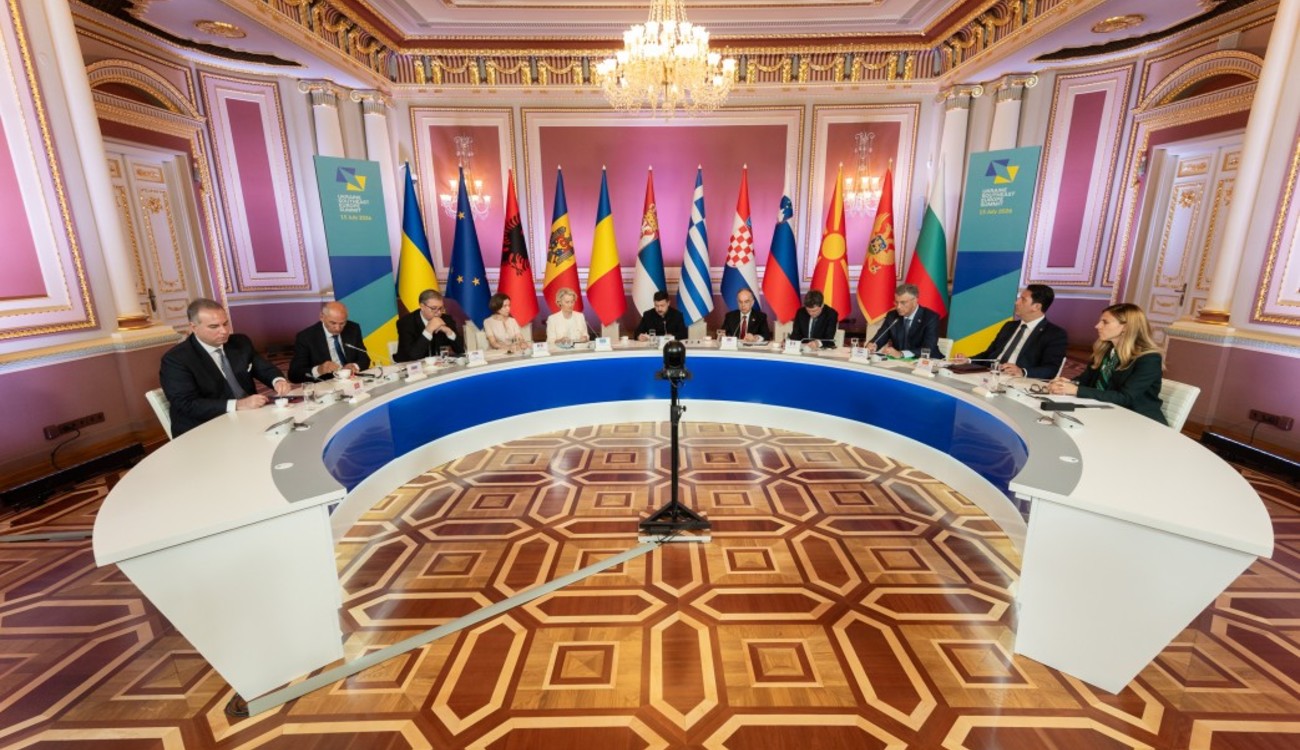
According to UATV: The European Union is finalizing its position for potential peace talks with Russia, drawing from a draft document prepared by EU foreign policy chief Kaja Kallas. This document sets out specific demands directed at Moscow, which were discussed during an informal gathering of EU foreign ministers in the Republic of Cyprus.
A briefing held on May 29 highlighted key issues tied to the situation in Ukraine. As the High Representative for Foreign Affairs and Security Policy, Kaja Kallas stressed the importance of laying out clear preconditions for restoring peace. A central element of these negotiations involves the EU's stance on Russia's role in the conflict.
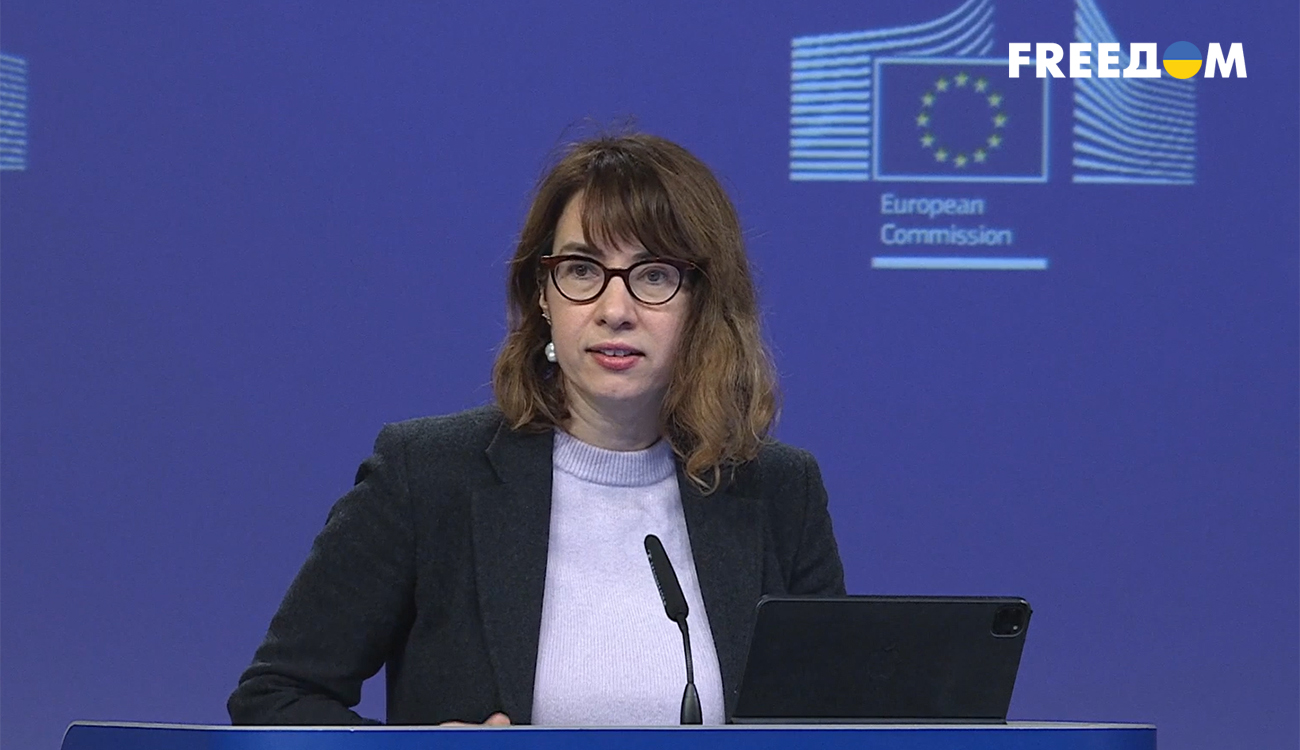
Anita Hipper, spokesperson for the European Commission on foreign affairs, stated: 'Russia is an aggressor state, and it must pay.'
This remark underscores the EU's determination in its demands toward Russia. A critical topic raised during the meeting was the matter of a ceasefire. Anita Hipper noted: 'A basic condition is an unconditional ceasefire as a necessary prerequisite for any peace negotiations.' This indicates that the European Union is insisting Russia adhere to terms that could help restart dialogue and lead to a peaceful resolution of the conflict.
The EU's Clear-Cut Demands
Overall, the EU's approach to peace talks with Russia will be built on a set of clear requirements, as outlined in Kaja Kallas's document. These demands reflect the collective view of EU member states' foreign ministers, who are aiming for stability and peace in the region.
Defining these explicit conditions from the European Union could mark a significant step in negotiations toward ending the conflict in Ukraine. The EU's position, which emphasizes a ceasefire and Russia's accountability, signals a push for regional stability and may shape the next moves of international partners. It also demonstrates the unity of EU member states on matters of security and peace in Eastern Europe.
Read also
- At Kyiv Summit, Zelensky Urges Europe to Maintain Pressure on Russia Through Sanctions
- Massive protests erupt across Ukraine after defense minister Fedorov is dismissed
- Repeating History: Why Ukraine Lost Its Liberation Struggle a Century Ago
- Russia’s Accusations Over Zaporizhzhia Engineer’s Death Dismissed by Ukraine’s Foreign Ministry
- CIA Director: Russian Soldiers Survive Only 30 Minutes on the Frontline
- US Greenlights License for Patriot Missile Production in Ukraine