EU Readies 20th Sanctions Package Against Russia: Key Details on Timing and Strategy.

EU Sanctions Against Russia
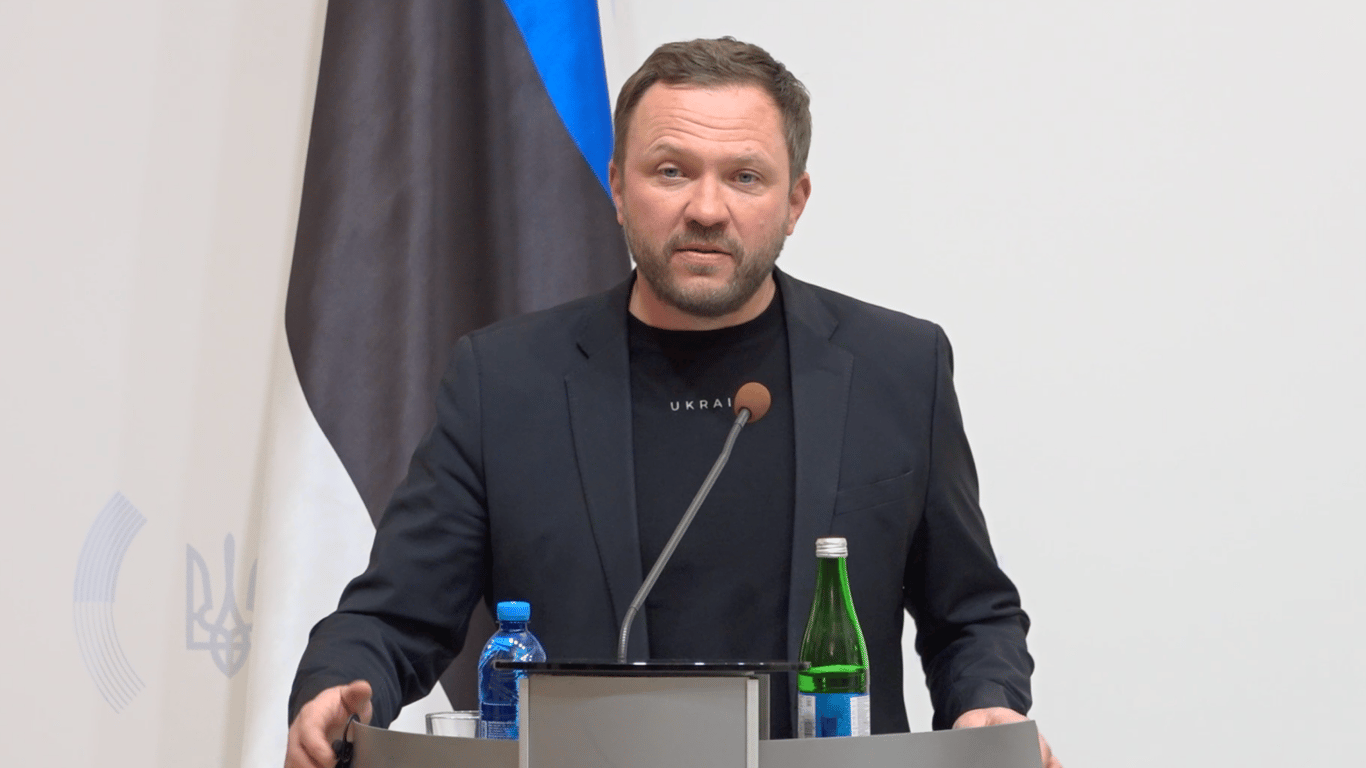
According to Novyny.live: The European Union is preparing its twentieth package of sanctions against Russia, which could be approved by February 24. Estonian Foreign Minister Margus Tsahkna provided this update, emphasizing that Russia shows no signs of being ready to end the war, a key factor driving the EU to impose new restrictions. These sanctions are part of a broader, sustained effort to weaken Russia's capacity to wage war.
Phasing Out Russian Gas
As part of its strategic pressure campaign, the EU plans to completely phase out Russian gas by 2027. Tsahkna stated this decision is a core element of the strategy to increase pressure on Moscow.
"We must shut down this route to increase pressure on Russia," said Margus Tsahkna.A significant consideration is that 60% of Russia's tanker fleet transits the Baltic Sea, which will also influence the EU's decisions. This energy pivot is a monumental task for Europe's economy and infrastructure.
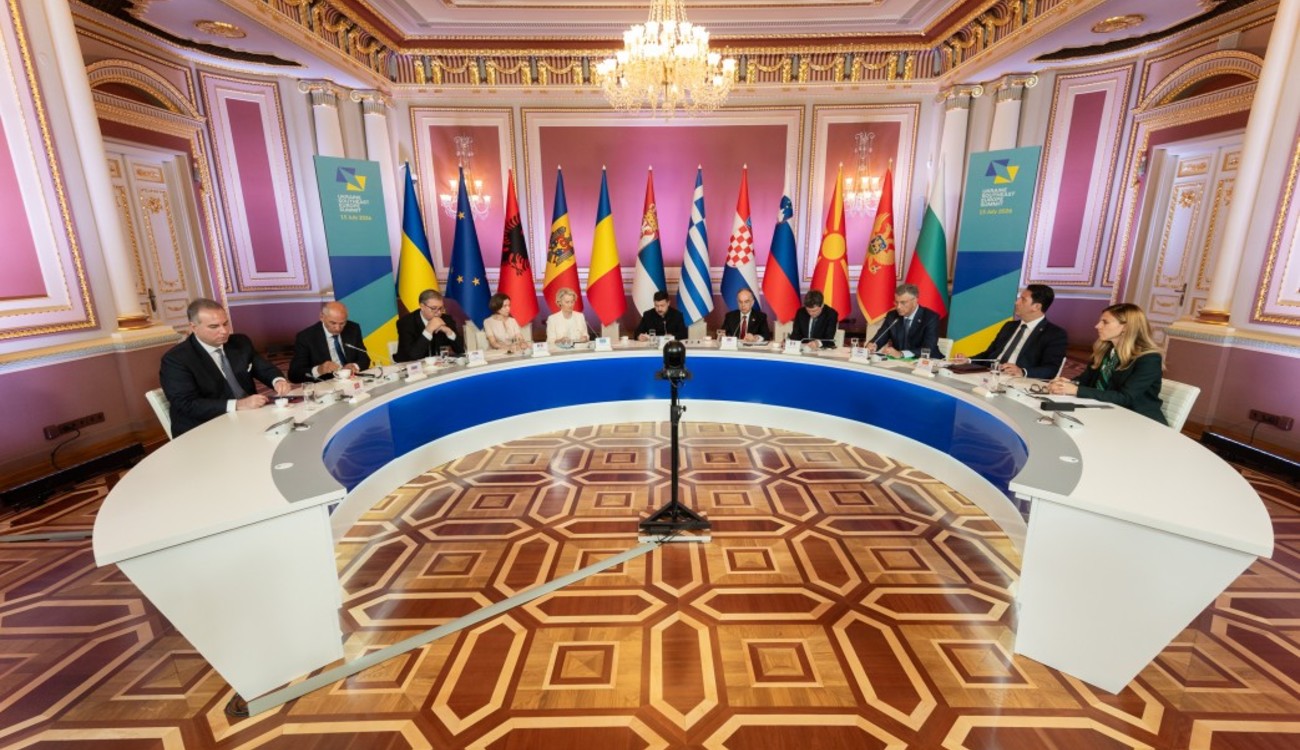
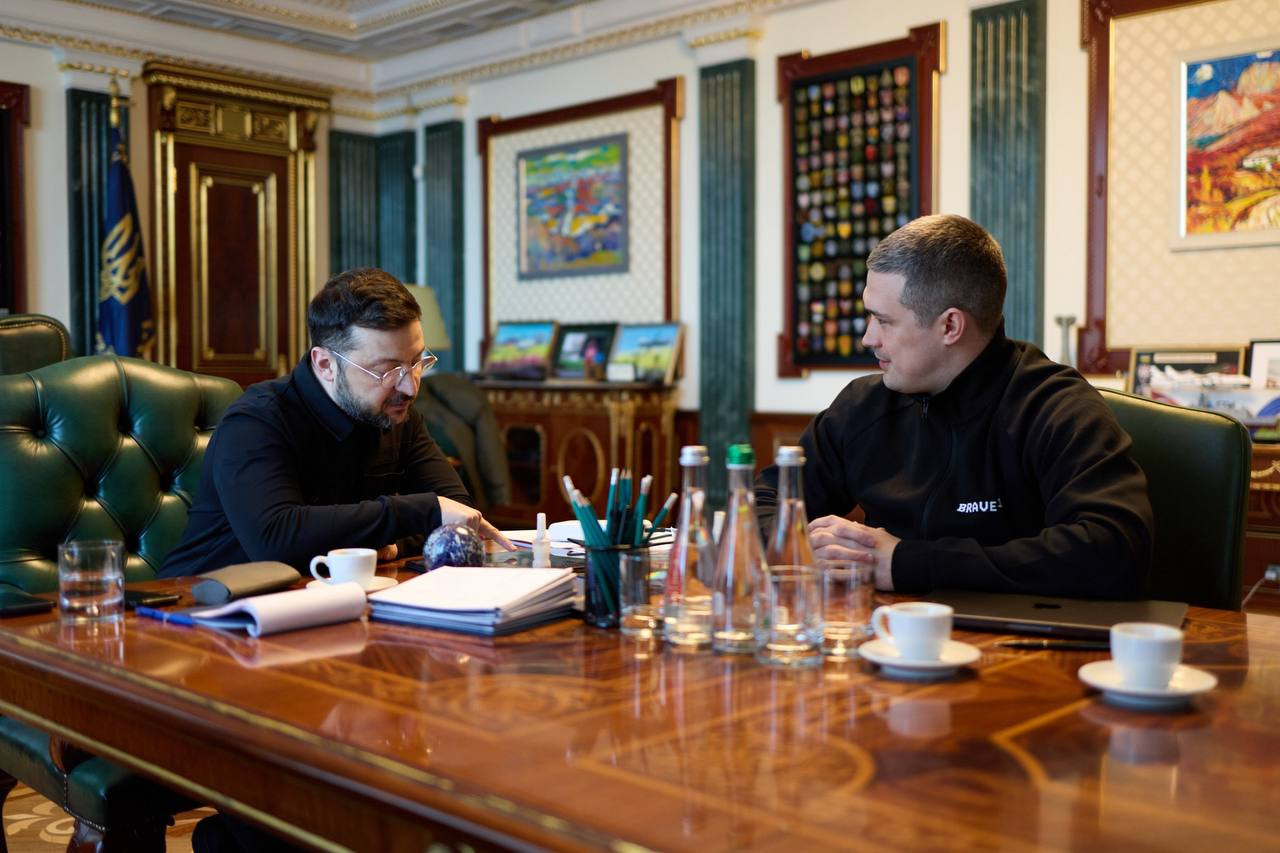
On February 5, Margus Tsahkna visited Ukraine, meeting with Ukrainian leader Volodymyr Zelenskyy. This visit underscores Estonia's support for Ukraine's independence and territorial integrity amid the ongoing conflict. The EU's forthcoming actions, including the adoption of the new sanctions package, demonstrate the allies' readiness to take further measures in response to Russia's actions.
The introduction of this new sanctions package signals the continuation of the EU's policy of pressuring Russia during the prolonged conflict in Ukraine. The planned phase-out of Russian gas by 2027 could fundamentally reshape Europe's energy policy and reduce its dependence on Russian energy resources. The Estonian minister's visit to Ukraine highlights the critical importance of international support for Kyiv and underscores EU unity on matters of regional security and defense.
Read also
- At Kyiv Summit, Zelensky Urges Europe to Maintain Pressure on Russia Through Sanctions
- Massive protests erupt across Ukraine after defense minister Fedorov is dismissed
- Repeating History: Why Ukraine Lost Its Liberation Struggle a Century Ago
- Russia’s Accusations Over Zaporizhzhia Engineer’s Death Dismissed by Ukraine’s Foreign Ministry
- CIA Director: Russian Soldiers Survive Only 30 Minutes on the Frontline
- US Greenlights License for Patriot Missile Production in Ukraine