EU Fails to Agree on Unified Refugee System, Shifting Burden to National Permits.


Challenges in Regulating Refugee Status Across the EU
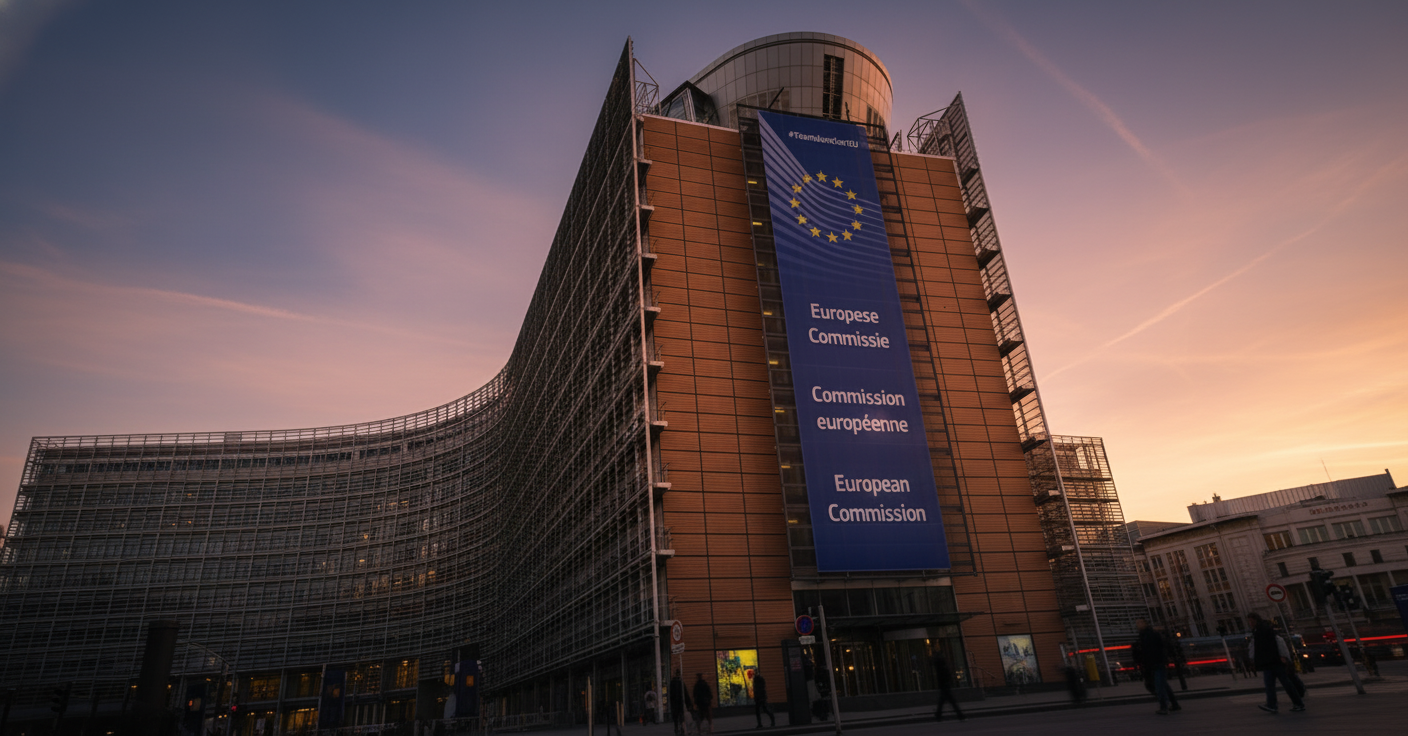
According to TSN.ua: The European Union has failed to establish a unified mechanism for managing refugee status, EU Special Envoy Ilva Johansson has announced. This failure means individual member states will now handle the process through national permits, creating a more complex situation for Ukrainian refugees. As of November 2025, 4.33 million Ukrainian citizens were under temporary protection in the EU. Poland's decision to transition 900,000 Ukrainians to Polish national permits exemplifies this shift toward disparate national approaches.
Ilva Johansson: 'We have an old long-term residence permit regime, and it does not allow for the years under temporary protection to be counted.'
Consequently, Ukrainians who have lived in EU countries for several years may face significant hurdles when applying for new residence permits. This fragmentation of policy comes as Germany considers lowering salary requirements for well-integrated Ukrainians. Johansson noted: 'For a person who has already lived here for four or five years under temporary protection, in my view, the salary threshold needs to be adjusted.'
Implications for Ukrainian Refugees
With each country now setting its own rules, the conditions for Ukrainians seeking sanctuary in Europe are likely to become inconsistent and unpredictable. This policy vacuum underscores the urgent need to protect the rights of those already under temporary protection to ensure their successful integration into host societies. The lack of a common EU framework could significantly impact the millions of Ukrainians remaining in Europe, potentially complicating their long-term stability and access to work.
The failure to create a single regulatory mechanism may have profound consequences. National approaches risk creating a patchwork of residency requirements, hindering the integration of refugees into new communities. With over 4 million Ukrainians under temporary protection, it is crucial for European nations to prioritize their needs and ensure fair conditions for their continued residence and employment, avoiding a chaotic and unjust system.
Read also
- Over 5.7 Million Ukrainians Have Fled Abroad, Lubinets Reveals Alarming Statistics
- Hungary Shuts Door on Foreign Workers: New Government Abolishes Fast-Track Visa System
- Hungary Imposes First-Ever Limits on Foreign Worker Hiring, Targeting the Philippines, Georgia, and Armenia
- Easier Path Home for Ukrainians Without Passports: New Policy for Those Born in Occupied Areas
- EU Ministers Weigh Restrictions on Temporary Protection for Ukrainian Men
- EU Extends Temporary Protection for Ukrainians Until 2028: Exceptions Apply