EU Weighs Changes to Russia Sanctions: Oil Price Cap and New Restrictions Under Debate.

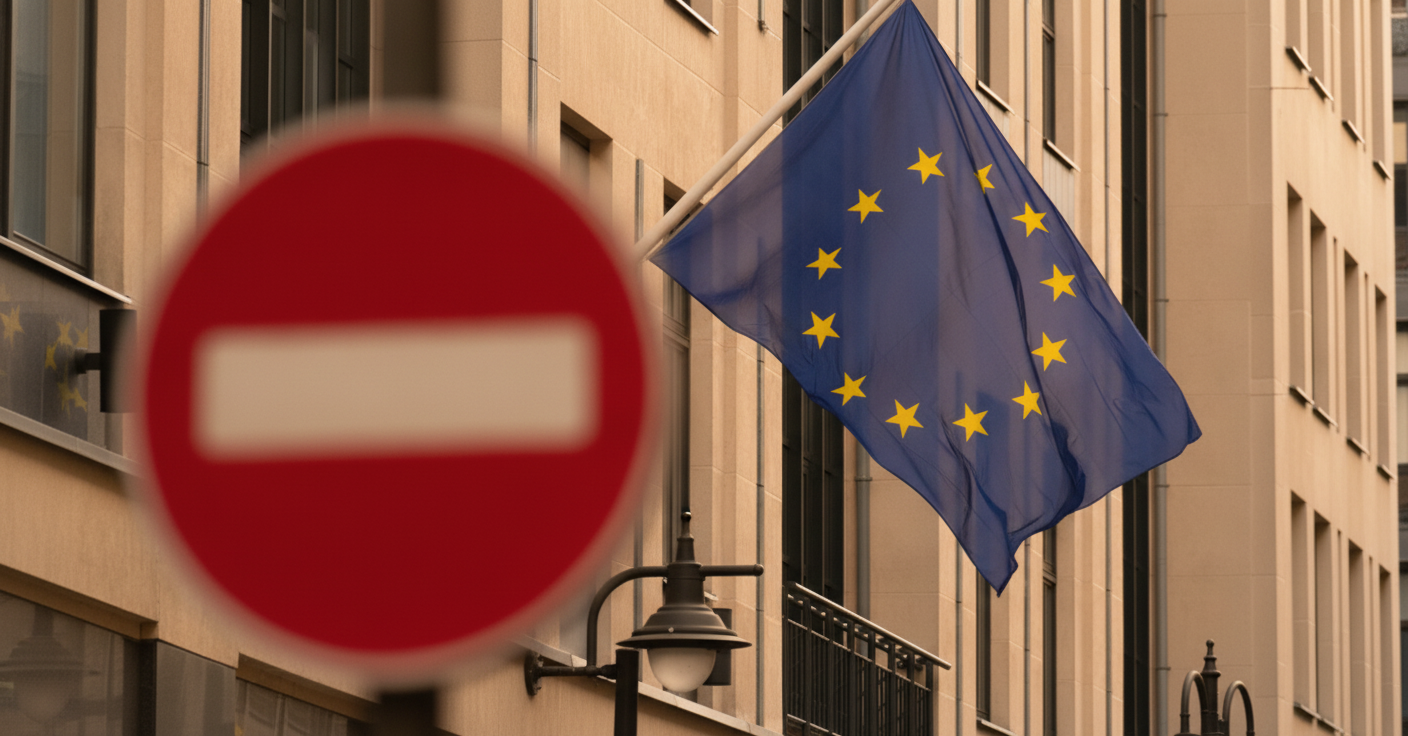
Discussions on Revising Sanctions Against Russia
According to Espreso.tv: The European Union is currently deliberating potential adjustments to its sanctions regime targeting Russia, focusing on extending the oil price cap and the possibility of prolonging existing contracts. These negotiations remain tense due to divergent interests among member states, making consensus difficult to achieve. The EU has been steadily tightening economic measures since the onset of the conflict, with energy revenues a key target.
The price cap on Russian oil is currently maintained at $44.1 per barrel until July 23. Notably, this cap is designed as a floating mechanism, set every six months at 15% below the average market price for Urals crude. This system is part of the EU's broader effort to curb Russia's oil export revenues amid the ongoing war.
Sanctions Package and National Interests
On June 9, the European Commission unveiled the 21st sanctions package, introducing new restrictions. However, on July 12, EU ambassadors failed to approve this package, highlighting internal divisions. On July 16, Greece blocked the package due to concerns over the company Dynagas, which operates 27 gas carriers. This incident underscores how national interests can impede collective decision-making within the EU.
The negotiations also include proposals to ban entry for former Russian combatants and to restrict imports of certain fish species. These measures could become part of broader sanctions initiatives aimed at reducing Russia's economic influence over Europe.
Thus, the situation remains fluid, and future EU decisions on sanctions could significantly impact economic relations between member states and Russia. The lack of unity within the EU highlights the complexity of coordinating joint actions amid varying national priorities. Each new sanctions package demonstrates that EU policy requires not only economic but also political cohesion to effectively address the challenges Europe faces on the international stage.
Read also
- U.S. Official Patel Scheduled for Russia Visit on October 14–15 – Key Details
- Ukraine’s Second Front Demands a Diplomatic Breakthrough as Top Diplomat Post Is Filled
- Why Rubio’s Call to Protect Shipping in the Strait of Hormuz Matters for Global Security
- Economics and Security Top the Agenda in Burnham-Trump Call
- Zelenskyy Welcomes UK’s New Prime Minister: Who Is Andy Burnham?
- New Russian Mobilization Wave Expected After Elections: Who Will Be Affected