Ukraine's War Experience to Inform New EU Security Strategy.

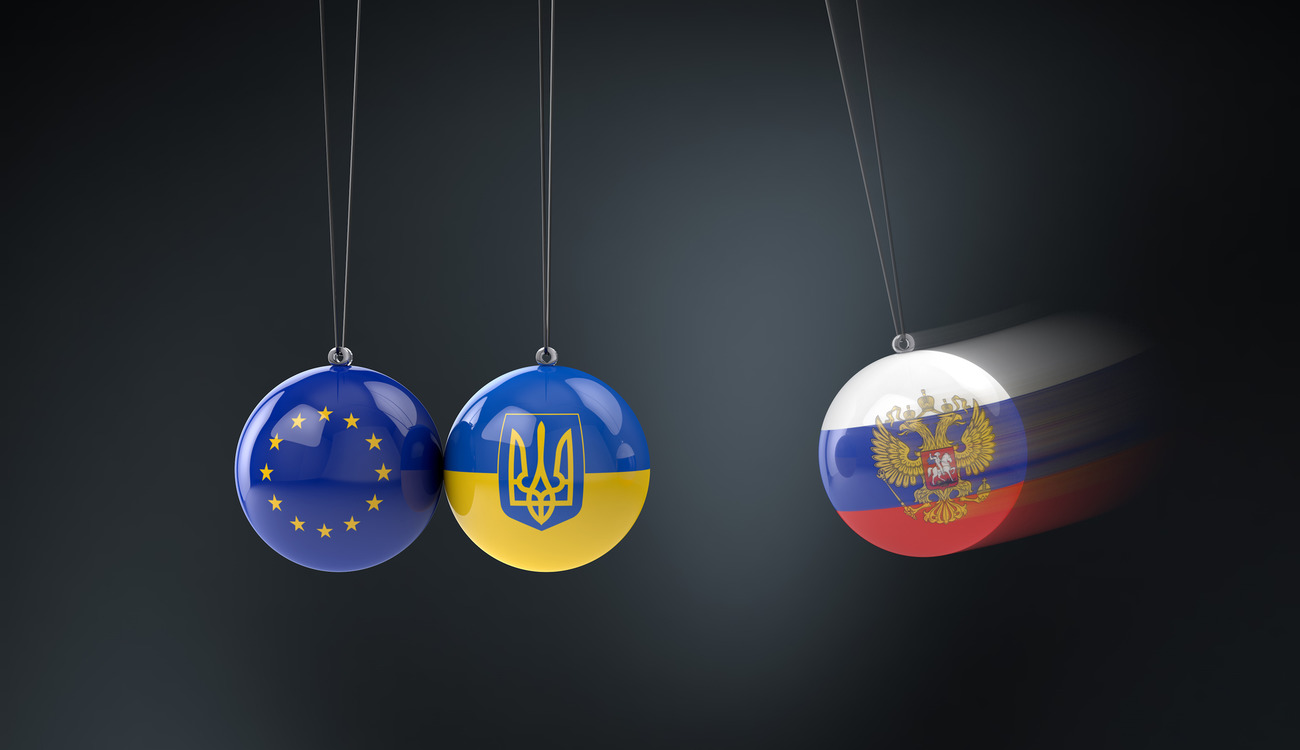
Europe's New Security Blueprint
According to UATV: The European Union is set to develop a new European Security and Defence Strategy during Cyprus's presidency of the Council. This initiative represents a critical step in adapting Europe's security architecture to contemporary threats, particularly from Russia. In an interview with the FREEДОМ TV channel, political technologist Ruslan Rokhov discussed how Ukraine's experience in rapid wartime decision-making could serve as a vital component in this process.
Process and Challenges
The strategy's formulation will span six months, with Ukraine participating directly in the drafting. Rokhov emphasized that Western civilization, including the EU, is founded on democratic principles like freedom of expression, choice, and speech. However, these very values can become a liability when national security is at risk, creating a complex paradox for policymakers.
Rokhov also noted that the use of foreign policy bluffing and the deliberate manipulation of opponents' expectations remain key instruments in Moscow's playbook, a legacy from the Cold War era. Ruslan Rokhov
He pointed out that in negotiations, Russia often makes initial demands of 300% or even 500% to ultimately achieve its 100% desired outcome.
These comments underscore the importance of incorporating Ukraine's frontline experience into the new European security framework, as the nation has already confronted numerous challenges requiring swift and effective responses. Consequently, the EU's new strategy could serve not only as a reaction to immediate threats but also as a foundation for a more resilient future security system.
The development of this strategy under Cyprus's leadership signals the EU's heightened focus on external threats, notably from Russia. Ukraine's involvement in the drafting process reflects a recognition of its hard-earned crisis management expertise, which could prove a valuable asset in shaping a common security policy. This move highlights the urgent need to adapt traditional security approaches in light of the novel challenges facing Europe. Amidst global instability, such a strategy may help fortify EU unity and resilience against external pressures.
Read also
- France and Germany Join Forces on New Missile Defense System: Key Details Revealed
- Zelenskyy's Decision on Syrskyi: Who Replaced Yermak in the Security Shuffle
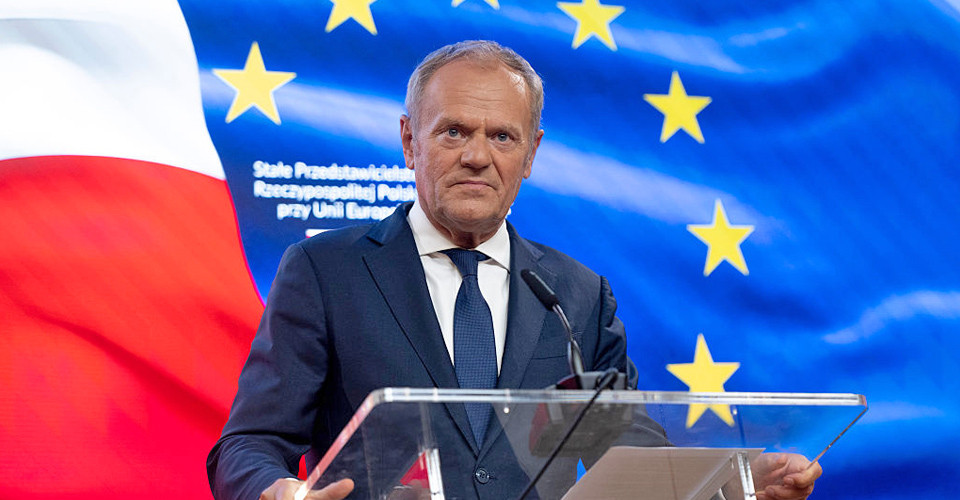
- Zelenskyy to Declassify SBU and Intelligence Archives: Tusk Reacts Positively
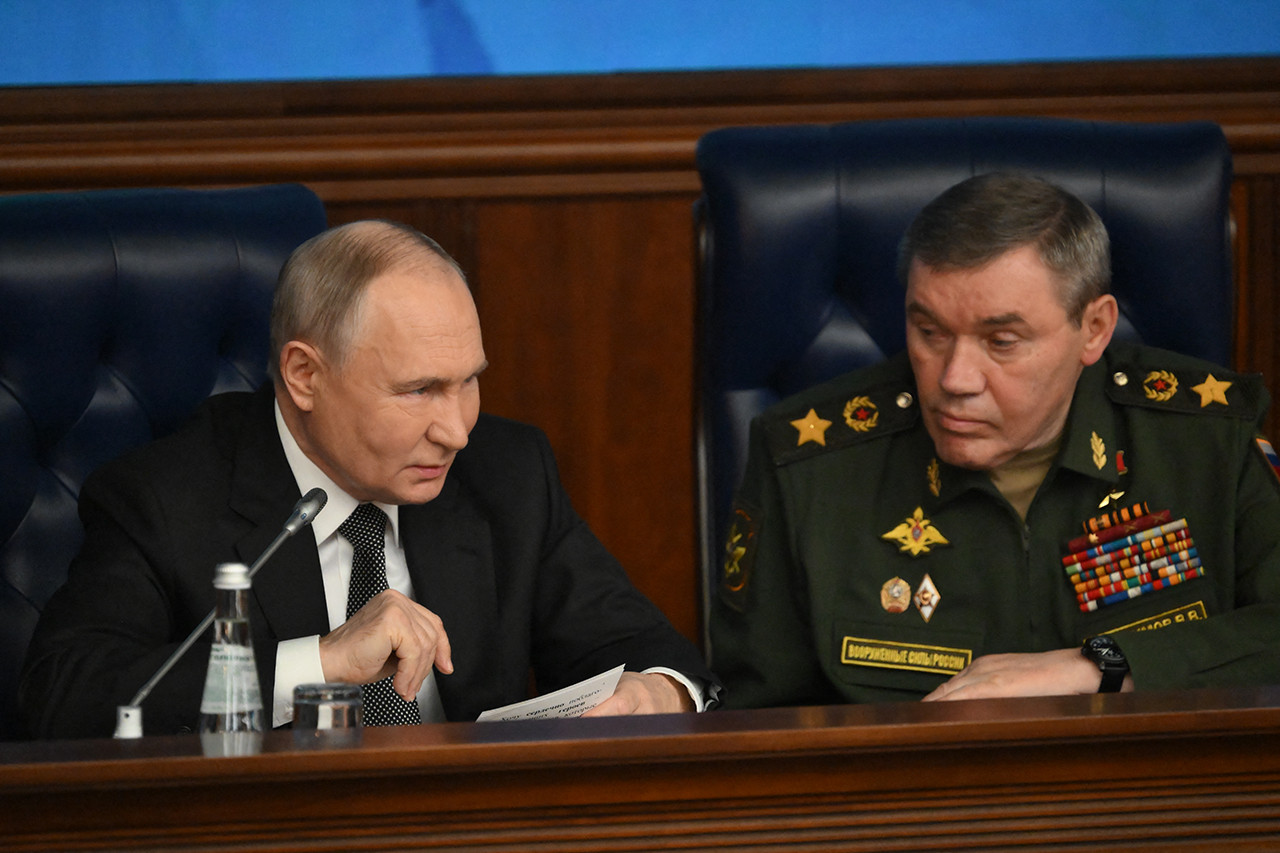
- Putin’s Approval Rating Hits Record Low: Does He Still Have Room to Escalate?
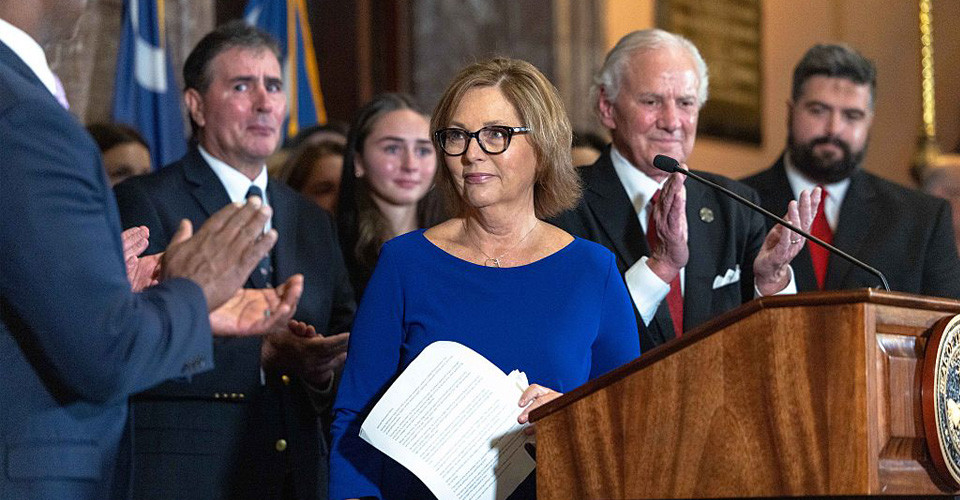
- Trump Backs Late Senator Graham’s Sister in Her Bid for a U.S. Senate Seat
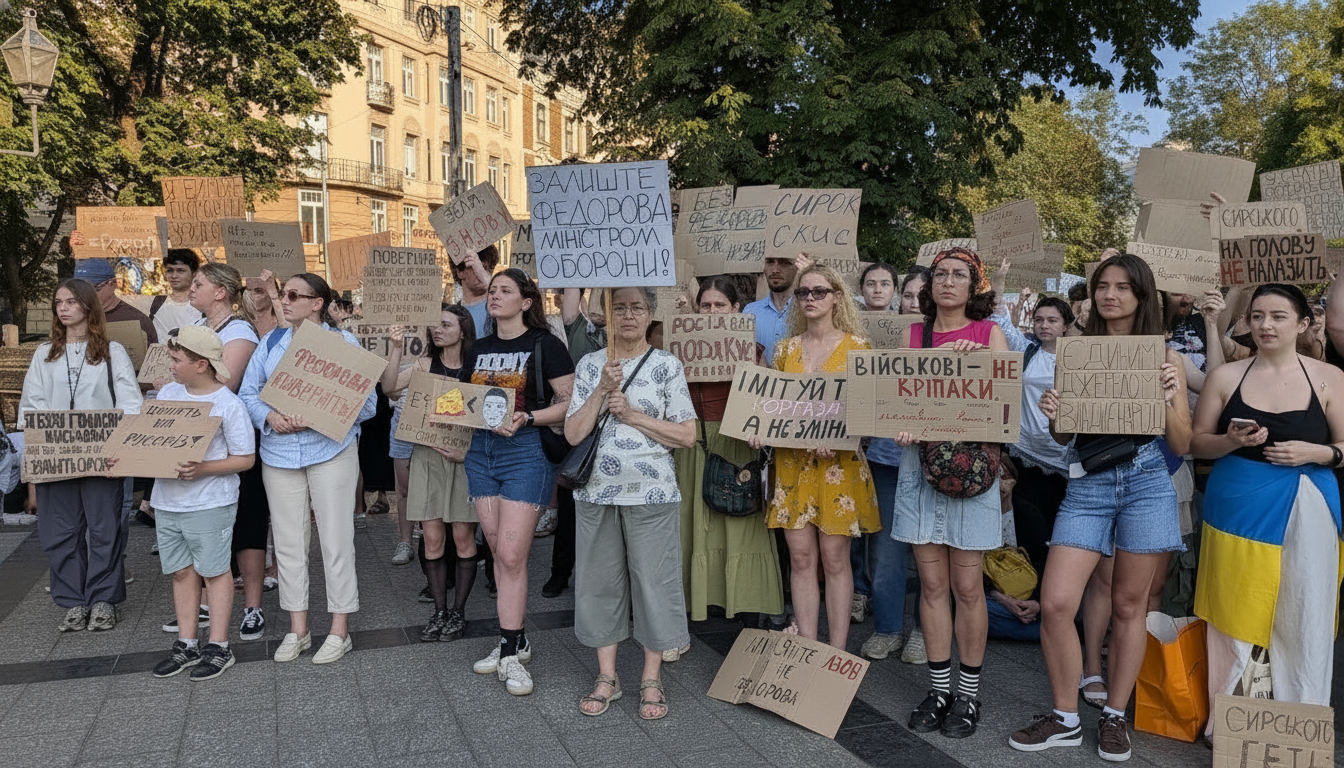
- Ukrainians Rally to Demand Firing of Commander Syrskyi and Reinstatement of Fedorov