EU Demands a Seat at the Table: Kallas Outlines Conditions for Russia in Peace Talks.

Ukraine, US, and Russia Hold Talks
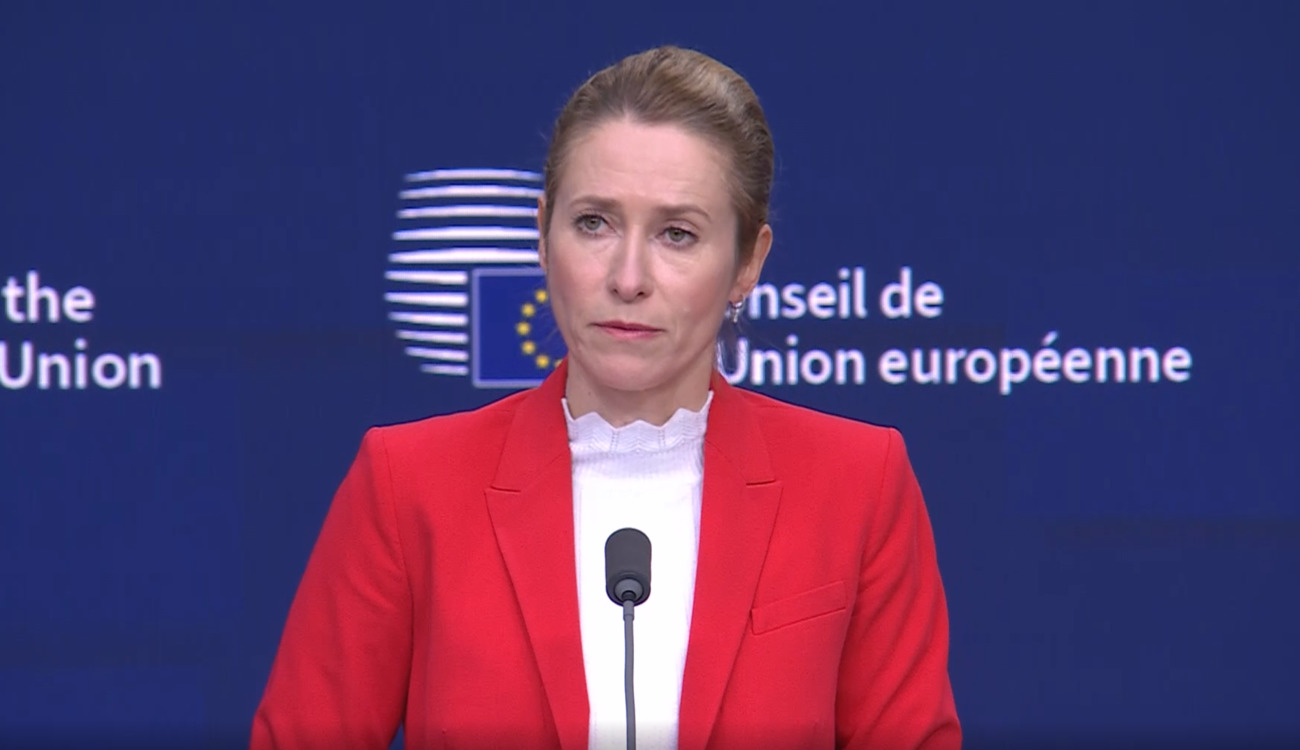
According to UATV: Kaja Kallas, the European Union's foreign policy chief, has prepared a document outlining conditions Russia must meet during negotiations with Ukraine. These stipulations include specific limits on troop numbers. The ongoing talks between Ukraine, the United States, and Russia are proceeding without direct European participation, a situation causing significant unease among EU officials. This exclusion is notable given the EU's substantial political and financial support for Ukraine.
The negotiations took place in Geneva on February 17-18, with security advisors from the UK, France, Germany, Italy, and Switzerland also in attendance. President Volodymyr Zelenskyy reported on the meeting with Ukrainian and American delegations, stressing the importance of these discussions for regional stability. He confirmed that
"the next round of talks will also be held in Switzerland."
Kaja Kallas's Statement
Kaja Kallas emphasized that
"peace and security are impossible without the EU at the negotiating table and without considering the core interests of the European Union."Her remarks reflect the deep concern among European leaders about future decisions that could be made without their input. The situation remains tense, and future developments will hinge on the outcomes of subsequent negotiation rounds. The EU's stance underscores a broader struggle for influence in shaping the post-conflict security architecture.
Direct EU participation in the talks is seen as vital for ensuring lasting regional stability and balancing the interests of all parties. The unfolding events have implications that extend beyond Ukraine and Russia, potentially affecting the entire European security landscape. European leaders fear that their absence could lead to agreements that fail to account for Europe's strategic interests, highlighting the critical need for collective diplomacy in resolving such conflicts.
Read also
- How Shahed Drone Attacks Will Evolve After Belarus Relay Stations Go Dark: Key Details
- On Constitution Day, Biletskyi Highlights Ukrainians' Primary Duty
- Kyiv Pechersk Lavra’s Millennium Celebrations Get Official Go-Ahead from President Zelenskyy
- Ukraine's Drone Warfare Shifts the Rules: Crimea Now a Vulnerability for Russia
- Zelenskyy Unveils 40-Day Campaign to Pressure Russia: Key Details of the Plan Through 2026
- Colonel Kononnikov, Commander of the 154th Brigade, Found Dead: What We Know So Far