EU to launch new biometric control at borders: deadlines and rules announced.


European Union countries have agreed to launch the Entry-Exit System (EES) for short-term travelers. The system, which was delayed due to technical issues and unprepared infrastructure, may begin operating in the fall.
Countries received two options for implementation - full implementation or phased over a six-month transition period. Poland, which holds the EU Council presidency, will negotiate with the European Parliament regarding changes to the law. According to the Minister of the Interior and Administration of Poland, the system will provide new tools for monitoring entry and exit from the Schengen area.
The EES aims to modernize checks at the EU's external borders and replace the physical stamping of passports. Visitors will need to provide their passports, be photographed, and have their fingerprints scanned. The system will help combat violators who stay in the country beyond their allowed time on short-term visas.
Participation in the system will include all EU member states except Cyprus and Ireland, as well as four partner countries of the Schengen area. In Cyprus and Ireland, passport stamps will continue to be applied manually.
Read also
- Fuel Sales in Crimea to Proceed Without Schedules as Power Outages Hit Day 12
- Russia Adopts Euro-3 Fuel Standards Amid Refinery Strikes and Growing Gasoline Shortages
- Oil Prices Could Hit $200 Per Barrel, Analyst Warns: What It Means for Ukraine
- Europe Paid Up to €6 Billion for Russian Gas — Who Bought the Most?
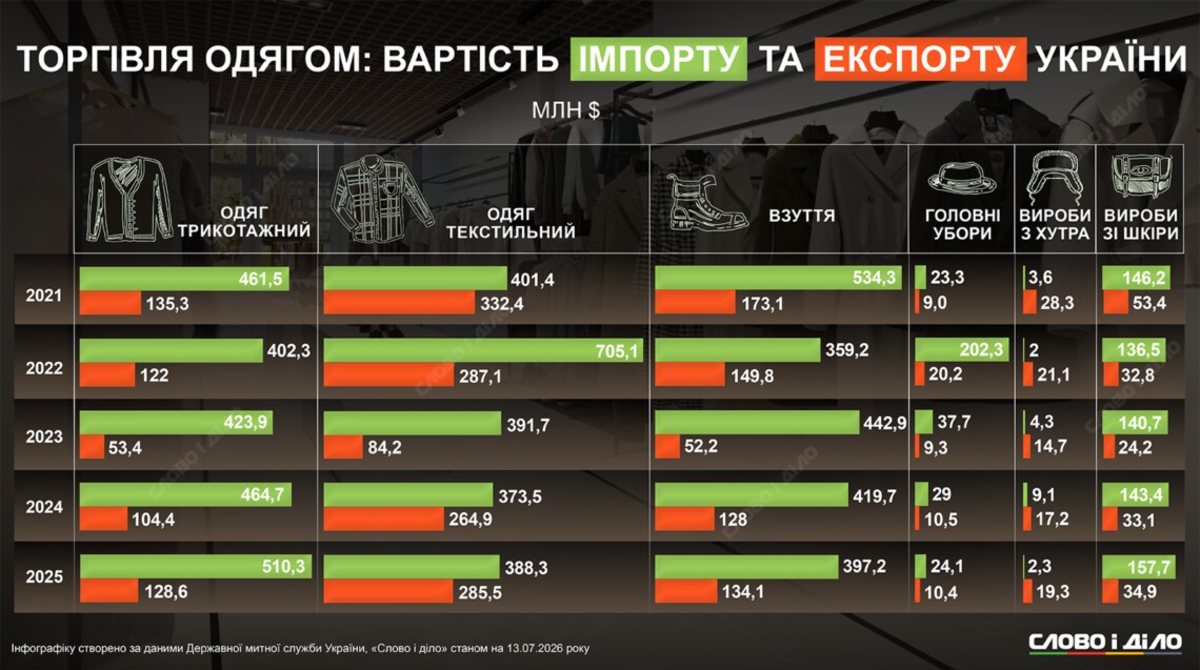
- Ukrainians Are Buying More Imported Clothing and Leather as Footwear Exports Decline
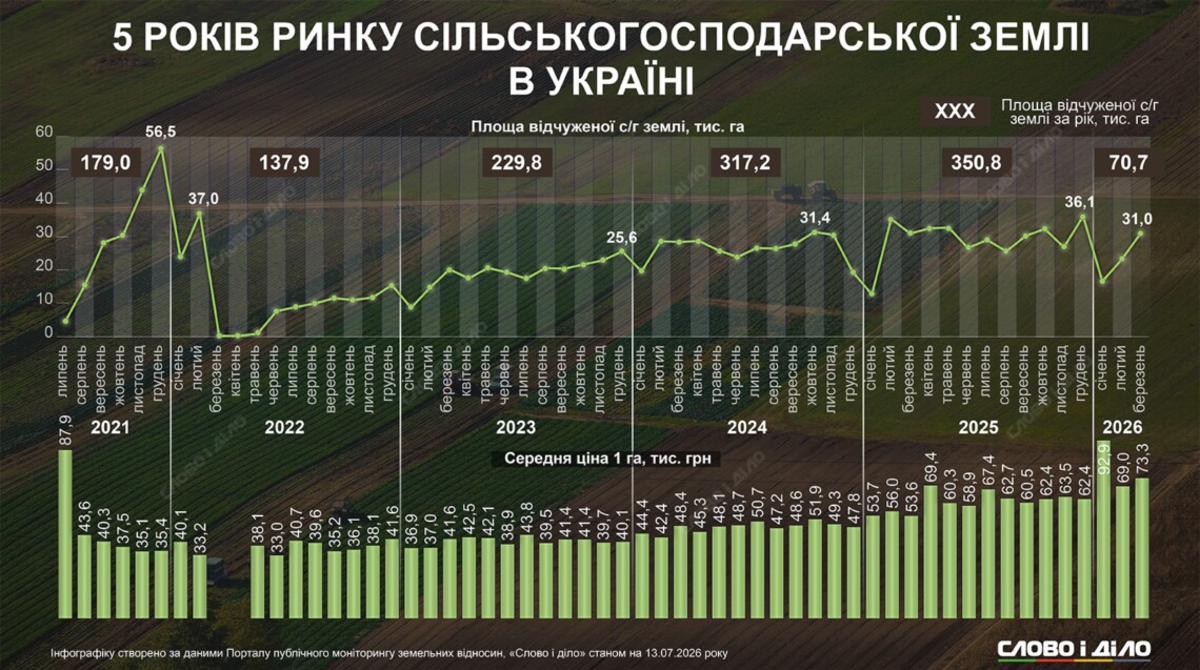
- Over 1.2 Million Hectares of Land Sold in Ukraine in Five Years: A Look at Price Trends