EU Mandates Full Phase-Out of Russian Gas by 2027, Striking a Blow to Kremlin Finances.

New EU Regulation Cuts Off Russian Gas
According to UATV: The European Union has formally adopted a regulation mandating a complete and irreversible halt to imports of Russian gas by the end of 2027. This move will strip Moscow of its largest export market for the fuel. This decision is part of a broader EU strategy to reduce dependency on Russian energy, which has already plummeted from 44% at the start of the war in Ukraine to between 12% and 18% today. This dramatic shift represents a fundamental realignment of Europe's energy security policy.
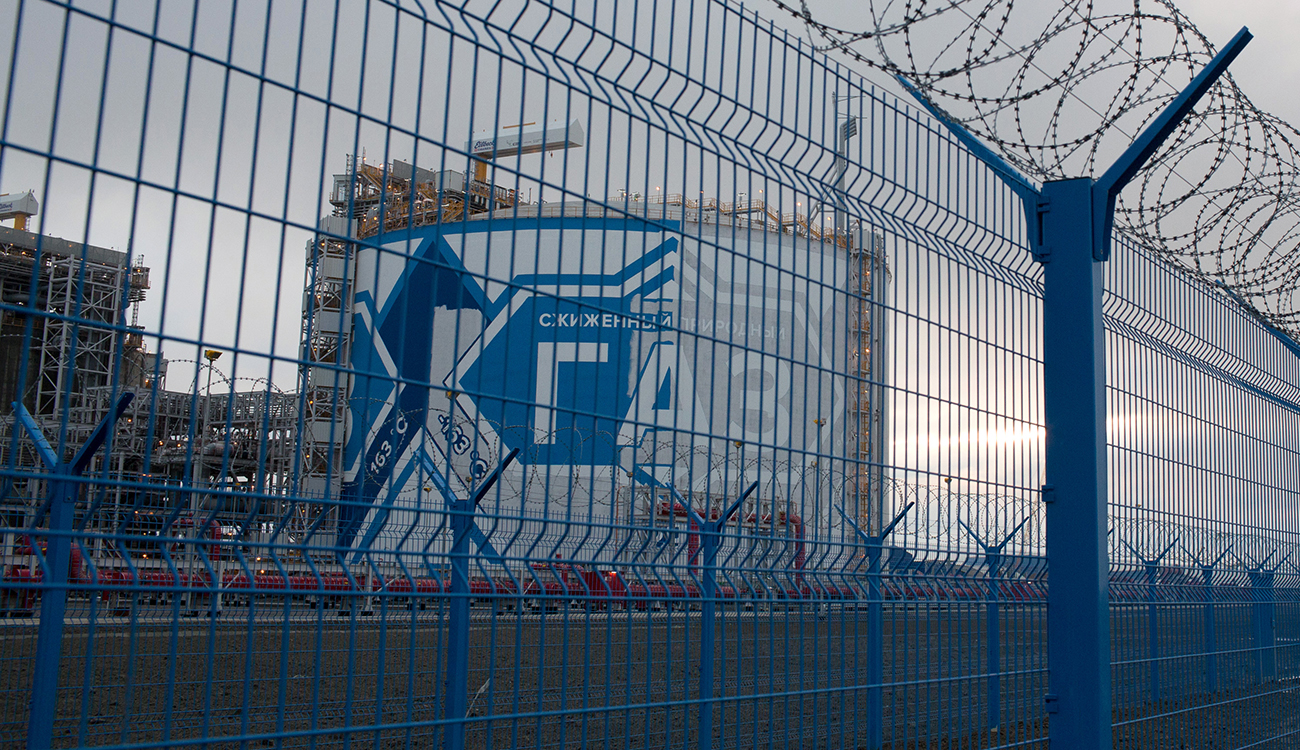
Under the new rules, the EU will cease imports of Russian liquefied natural gas (LNG) starting January 1, 2027, and will halt pipeline gas imports from September 1, 2027. This means Russian supplies, which currently account for 62% of all energy resources exported by Russia, will be barred from the European market. The phased timeline allows member states and companies to finalize alternative supply arrangements.
Internal Skepticism Within the EU
Despite the EU's clear direction, some member states remain skeptical. Hungary and Slovakia voted against the gas phase-out, while Bulgaria abstained during the vote. In a related move to curb Kremlin energy revenue, the EU has also lowered the price cap on Russian oil from $47.6 to $44.1 per barrel, effective February 1, 2023. These measures collectively aim to drain a primary source of funding for Russia's military operations.
Energy expert Andriy Novak noted: 'Europe has made the decision for a complete abandonment of Russian gas.'
He emphasized that these sanctions signal the irreversibility of the move away from Russian energy resources. According to him, 'The EU will not return to buying Russian energy carriers even after the end of Russia's war against Ukraine.'
This EU decision is poised to significantly impact the Russian economy, as it loses one of the largest consumers of its energy resources, likely worsening the Kremlin's financial standing amid ongoing international isolation. The forced shift away from Russian gas is also accelerating the EU's search for alternative energy sources and the development of renewables, marking a critical step toward Europe's energy independence and sustainable development.
Read also
- First foreign guest for Britain's new Prime Minister Andy Burnham: Zelenskyy visits UK
- Civilian Ship Attacks Prompt UN Security Council Meeting; Top Ukrainian Diplomat Calls for Strong Reaction
- Blocking the Black Sea for Russia: The Key Issue for Zelenskyy and Trump’s Upcoming Talks
- Sopot Becomes First Polish City to Officially Condemn Anti-Ukrainian Sentiment with Landmark Council Resolution
- New Civil Defense Protocols from Russia’s Rosgvardiya: Mobilization and Wartime Safeguards Added for the First Time
- Russia Counts 20 Friendly African States, but Just 8 Support Ukraine