EU Endorses Peace Plan for Ukraine, Setting Stringent Conditions for Russia.

The European Union's Role in Mediating the Ukraine Conflict
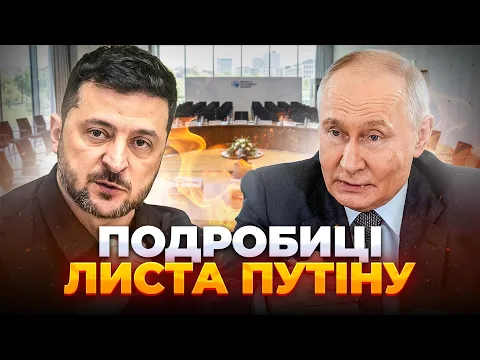
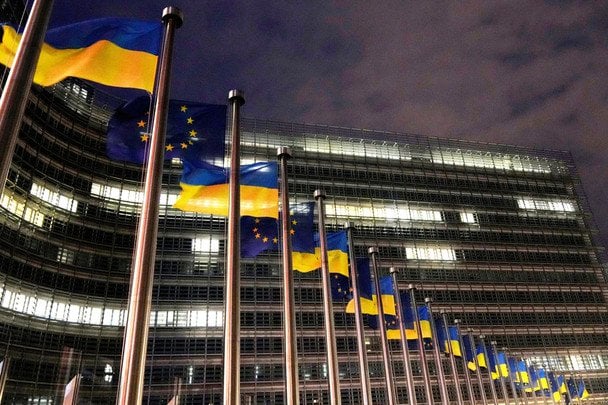
According to TSN.ua: The European Union is positioning itself as a central player in resolving the war in Ukraine. During a briefing in Brussels, European Commission spokesperson Anuar El-Anuni highlighted the EU's proposed peace framework, developed by EU High Representative Kai Kallas, which outlines a series of firm demands directed at Russia. This initiative underscores the bloc's commitment to a structured diplomatic approach to end the aggression.
A key meeting of the EU Foreign Affairs Council is scheduled for February 23rd, where these critical steps to support Ukraine will be discussed. The Kallas plan stipulates several non-negotiable conditions, including:
- Strict limitations and monitoring of the size of the Russian army;
- Compensation payments from Russia to Ukraine for war damages;
- A complete ban on the presence of Russian military contingents in Belarus, Ukraine, Moldova, Georgia, and Armenia;
- An absolute refusal to recognize, de jure, Russia's occupation of any Ukrainian territories.
Anuar El-Anuni stated: 'Any plan to halt Russian aggression against Ukraine will require EU backing to be effective.'
This declaration reinforces the necessity of European unity and resolve in supporting Ukraine as the conflict continues to destabilize the region.
Potential Outcomes of the Upcoming EU Council Meeting
The EU Foreign Affairs Council meeting on February 23rd could mark a pivotal moment in shaping the bloc's future policy toward Ukraine. Amid escalating hostilities and persistent threats from Russia, the stringent demands within the High Representative's plan may significantly influence international backing for Kyiv. This stance could also redefine the EU's engagement with neighboring countries suffering from Russian aggression, potentially leading to enhanced regional security and improved economic stability for Ukraine. The meeting's decisions are closely watched as indicators of Europe's long-term strategic response to the war.
Read also
- Open Letter from Zelensky to Putin: Kyiv’s Plan to End the War
- Ukraine Must Enter Negotiations, but Russia Isn't Ready Yet, Expert Says
- Estonia Pushes for EU-Wide Ban on Russian Combatants Entering the Bloc
- NATO Holds Its First-Ever Meeting in Kyiv: Key Decisions on Air Defense for Ukraine
- Swedish Court Orders First-Ever Vessel Seizure at Ukraine’s Request: Key Details
- Hungary Lifts Block on Ukraine’s EU Path: What the New Prime Minister Madyar Promised