Estonia has banned the entry of Russian military: the beginning of large-scale measures.

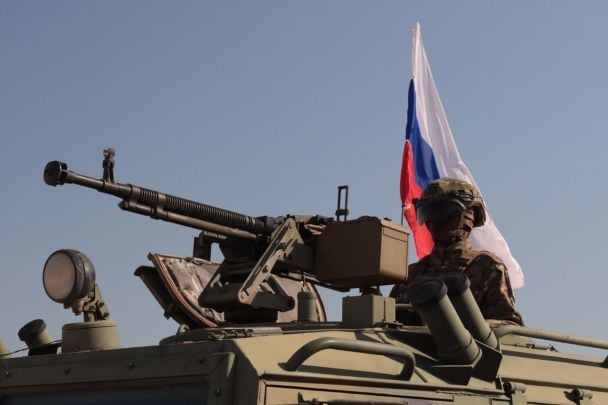
According to ТСН: Estonia has imposed a ban on the entry of Russian military personnel who participated in the aggressive war against Ukraine. This is only the first step in measures against the aggressor country's militants.
Estonian Defense Minister Margus Tsahkna announced the ban on social media platform X, noting that the restrictions apply to 261 Russian soldiers involved in the war in Ukraine.
“This is just the beginning. Hundreds of thousands of soldiers from the aggressor state participated in this brutal war, committed crimes and spread violence. There is no place for them in Estonia and the Schengen area,”he emphasized.
The minister also noted that Estonian authorities will continue working on closing borders for former militants, urging other countries to follow their example.
Tsahkna stressed that such measures are part of European states' efforts to ensure security and prevent the infiltration of individuals involved in war crimes into the territory of the European Union.
It is reminded that earlier it was reported that Estonia will react decisively to any attempts at illegal border crossing by Russian soldiers, and they may open fire on Putin's 'little green men'.
Thus, Estonia demonstrates determination in its security stance, striving to prevent the possible infiltration of individuals who participated in war crimes. This step could signal other countries in the region about the need to take similar actions to ensure stability in Europe.
Read also
- IAEA and 47 Nations Condemn Russian Strike on Ukraine's Nuclear Waste Storage Facility
- Russia's Supply Line Crippled: Bridge Strikes in Chongar Cut 100 km of Logistics
- Germany Pledges €300 Million to Czech-Led Ammunition Plan, Securing 50,000 Shells for Ukraine
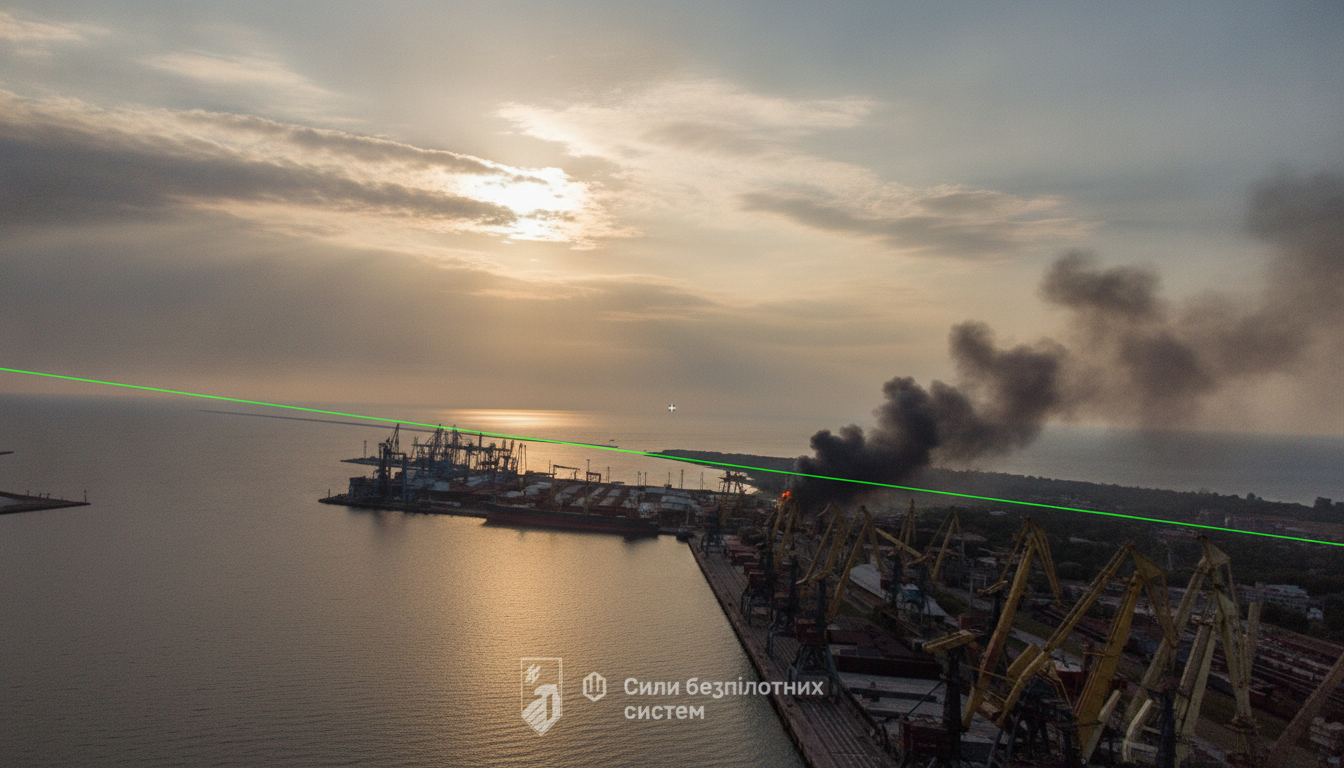
- Mariupol Port Destroyed by Azov and SBU Forces, Cutting Off Russia’s Sea Access
- Ukrainian Forces Push Back Russian Army on the Alexandrovsk Front: New Gains Reported
- Can Russia Capture Kramatorsk and Sloviansk? The Growing Pressure in Donetsk Region