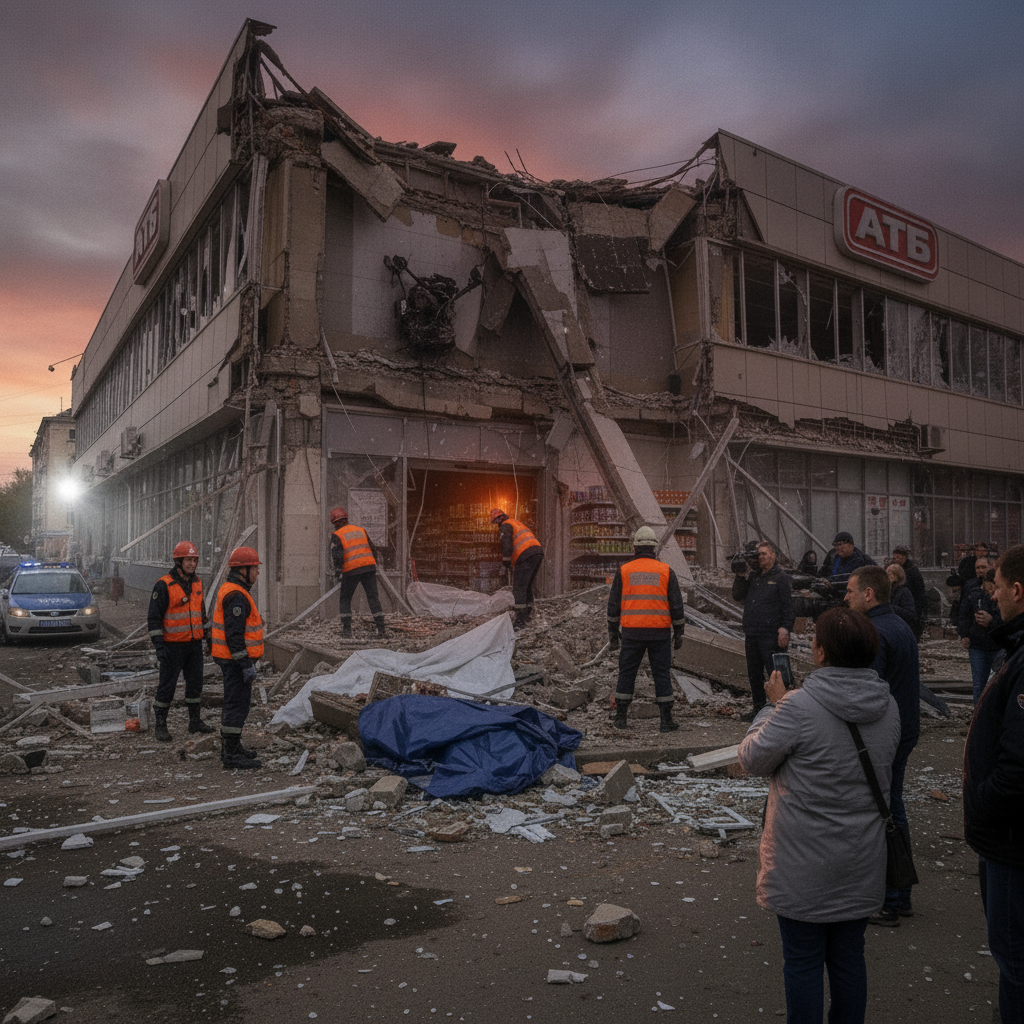
Stranded in an Open Field: Ukrainian Railways Justifies Emergency Evacuation Procedures.

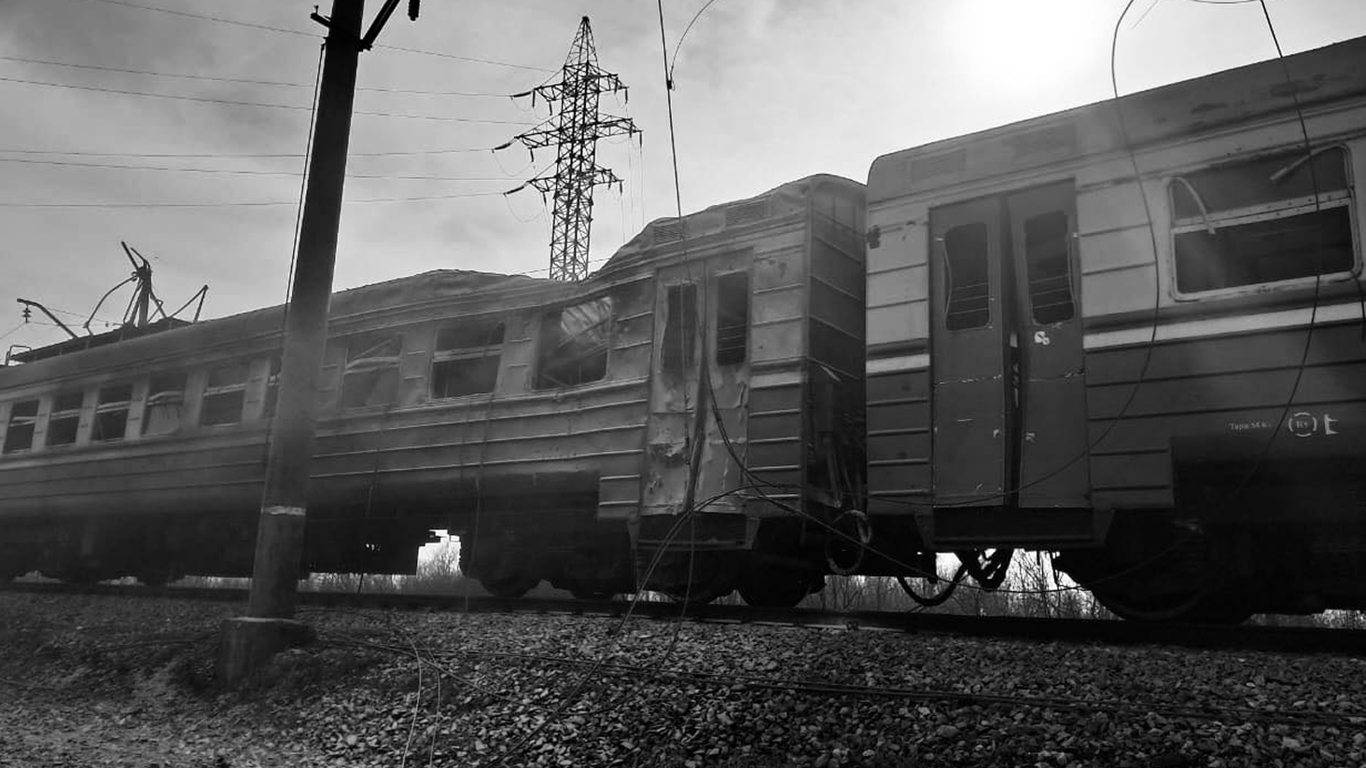
Forced Evacuation from Ukrainian Railways Trains
According to Novyny.live: Ukraine's state railway operator, Ukrzaliznytsia, has been forced to conduct emergency passenger evacuations amid ongoing Russian attacks on rail infrastructure. These security measures have raised concerns among travelers, especially when evacuations occur in remote or unexpected locations.
A recent incident involving a passenger on the Lozova–Chop train has drawn attention. The passenger criticized the evacuation process, stating they were ordered off the train in the middle of a field. She questioned the logic behind the procedure:
“What is the point of evacuating if we are told to simply step out of the carriage and stand just 10 meters away from it?”Such cases highlight the challenging and often confusing circumstances passengers face during emergencies.
Ukrzaliznytsia responded by explaining that staff lack the authority to physically force passengers off the train. The company emphasized that
“inside a sealed carriage, there are almost no escape routes, whereas in open terrain, there is a chance to survive.”This statement underscores the serious risks posed by terrorist threats and the critical importance of following safety protocols.
Challenges in Emergency Evacuations
While Ukrzaliznytsia has previously issued guidance on what passengers should do during emergencies, real-world situations often prove far more complex than theoretical instructions. Evacuations under threat require precise coordination and well-founded actions to ensure everyone's safety.
The forced evacuation of train passengers during threats reflects the harsh and dangerous reality Ukrainians face amid the war. Ukrzaliznytsia strives to provide the highest possible level of safety, but real-world conditions can complicate the execution of even the best-laid plans. These incidents underscore the need for better passenger preparedness and training for emergencies, as well as improvements in evacuation procedures under threat. Ultimately, effective communication and coordination remain essential to maintaining railway safety.
Read also
- Driver of Crossover Tied to Military Wounded in Odesa Explosion
- Seven Killed, Dozens Wounded as Russian Forces Strike Five Ukrainian Regions
- Nearly 400 Drones Swarm Moscow Region, Igniting Fires at a Chekhov Factory and a Podolsk Warehouse
- Russian Missiles Sink Freighter Golden Leo, Killing 10 Crew Members
- Eight Dead in Russian Attacks Across Ukraine, Including a Nine-Year-Old in Chernihiv
- One Woman Dead, 29 Injured After Driver Rams Into Crowd at Berlin Pride Celebration