EU Commission Demands Ukraine Provide Repair Schedule for Damaged 'Druzhba' Oil Pipeline.

EU Commission's Ultimatum and the 'Druzhba' Pipeline Situation
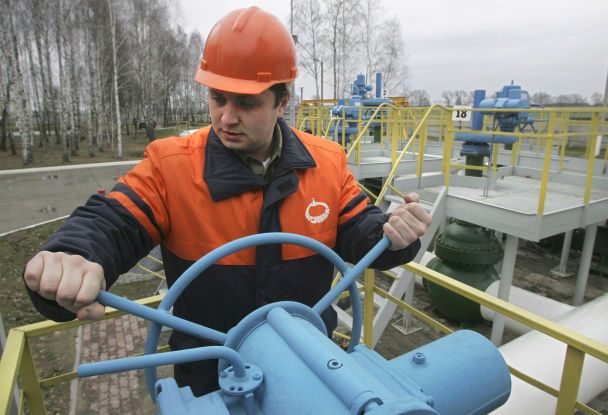
According to TSN.ua: The European Commission has formally requested that Ukraine submit a detailed timeline for repairing the 'Druzhba' oil pipeline, which sustained damage from a Russian attack earlier this year. Oil transit to Hungary and Slovakia was halted on January 27 following shelling attributed to Russian forces, which targeted the pipeline's infrastructure and forced a complete stoppage of supplies. The Druzhba pipeline is a critical Soviet-era artery for Russian oil exports to Central Europe.
Transit Disruptions and Wider Political Repercussions
Further complicating the situation, a section of the 'Druzhba' pipeline was sabotaged on December 1 near Kyzinskye Vyselki in Russia, creating additional obstacles for oil transit through this vital channel. In response to these disruptions, Slovakia and Hungary sought Croatia's assistance in facilitating the transit of Russian oil but were refused. This ongoing energy crisis highlights Europe's continued vulnerability to supply shocks from the east.
Amid these complex circumstances, Croatian official Ante Šušnjar pointed out that purchasing Russian oil effectively finances the war against Ukraine. This echoes the political motivations behind the supply arrangements, as previously stated by Hungarian Foreign Minister Péter Szijjártó. The status of the 'Druzhba' pipeline and its repairs remains under close scrutiny by international bodies, given the route's strategic importance for several European nations.
Repairing the 'Druzhba' pipeline carries significant economic and political implications for Europe, as it is a key conduit for Russian oil. Restoring its operation could help reduce regional energy dependency, yet concerns over security and stability remain paramount. Consequently, the actions of the European Commission and the responses of nations reliant on this transit route warrant close attention within the current geopolitical landscape.
Read also
- Zelensky Sends Letter to Putin Proposing Bilateral Talks to End the War
- U.S. House Approves Ukraine Aid Package as Republicans Break Ranks with Trump
- US House Approves Ukraine Aid Package: What Lies Ahead in the Senate
- Open Letter from Zelensky to Putin: Kyiv’s Plan to End the War
- Ukraine Must Enter Negotiations, but Russia Isn't Ready Yet, Expert Says
- Estonia Pushes for EU-Wide Ban on Russian Combatants Entering the Bloc