Europe Still Relies on Russian Energy Resources: New Data.

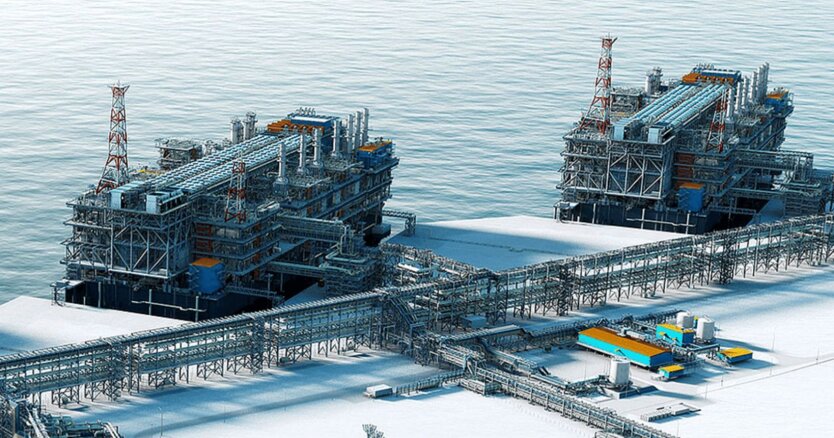
According to Euroactiv, in 2024 the European Union spent over 21.9 billion euros on Russian energy resources. This amount exceeds the financial assistance that Ukraine received from the EU in the same year.
According to the publication, last year the EU spent approximately 21.9 billion euros on the import of Russian fuel, only 1% less than in the previous year. By comparison, this amount is higher than the 18.7 billion euros in financial assistance that the EU provided to Ukraine in the same year.
Despite the sanctions, Russian oil, gas, and LNG continue to be supplied to Europe through infrastructure and political agreements. The European Union is laying plans to rid itself of Russian energy resources by 2027, but there are countries that do not support this initiative.
Energy Resource Plans
According to the EU plan, new gas contracts with Russia are to be terminated by the end of 2027, and short-term agreements by mid-2026. Regarding oil, gas, and LNG agreements are planned to be canceled by 2027.
On energy policy, EU countries have different approaches. Some support dependence on Russian resources due to low prices, while others seek alternatives in the energy supply sector.
In 2024, the European Union spent over 21.9 billion euros on Russian energy resources, which is more than the amount of financial assistance provided to Ukraine in the same year. The European Union plans to rid itself of Russian energy resources by 2027, but so far not all countries support this initiative.
Read also
- Fuel Shortage Hits Russia: Government Scrambles for Gasoline from Belarus and India
- Why Vasyl Stus Will Appear on Ukraine’s New Banknote Announced by the NBU
- Fuel Crisis Drives Russia to Boost Belarusian Gasoline Imports Twentyfold
- Ukraine’s Drones Cripple Russia’s Largest Oil Refinery, Sparking Fuel Shortages and New Export Bans
- Sweden Pledges €124 Million to Ukraine’s Energy Sector: Here’s Where the Money Will Go
- Kazakhstan Seals Its Border with 59 Checkpoints Amid Russia’s Fuel Crisis