Ukraine’s Drones Cripple Russia’s Largest Oil Refinery, Sparking Fuel Shortages and New Export Bans.

Strikes on Russia’s Energy Infrastructure
According to Espreso.tv: Ukraine has intensified its assaults on Russian energy infrastructure, causing major disruptions at oil refineries and leading to severe fuel shortages across the country. On July 8, 2023, drones struck the CDU-6 crude distillation unit, which has a processing capacity of 20,000 tons per day. This attack is just one in a series of similar strikes that have occurred in recent months.
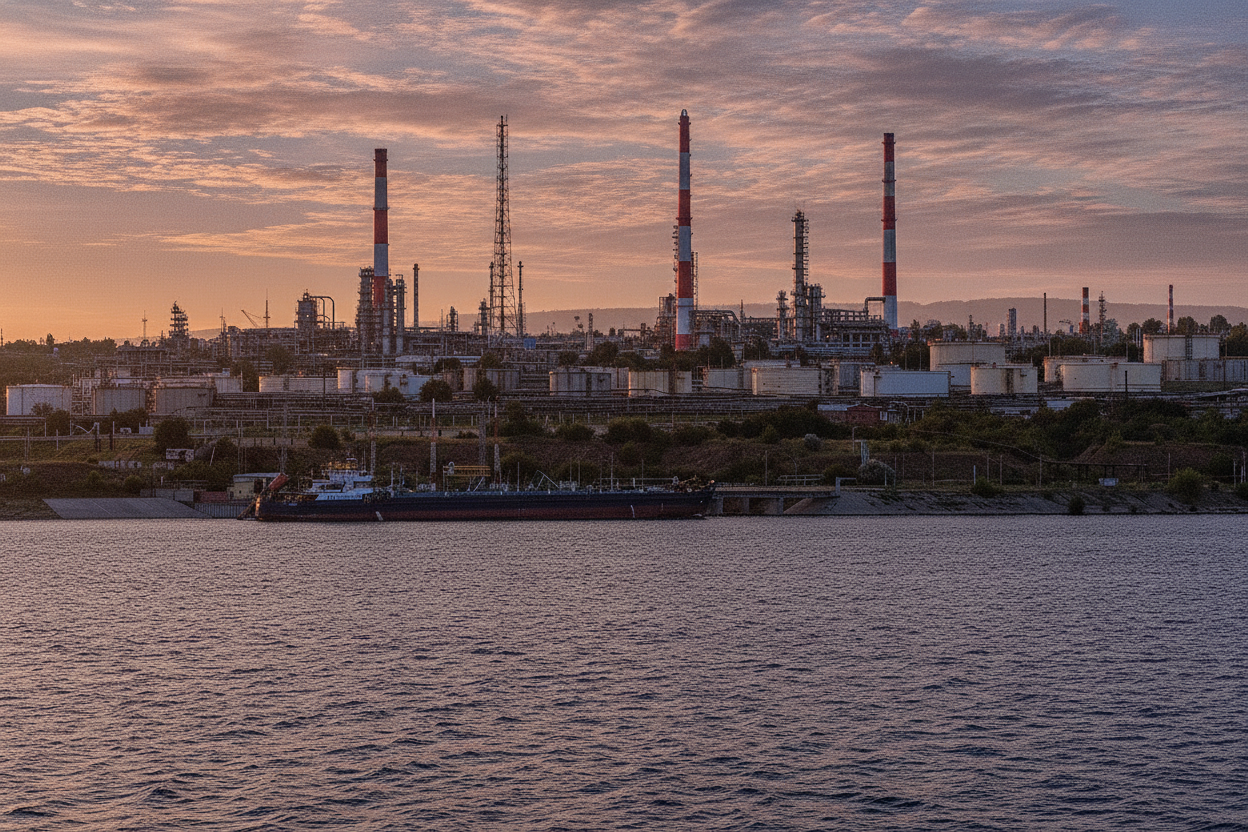
Russia’s largest refinery, the Omsk facility, was forced to shut down after being hit by a Ukrainian drone, dramatically reducing the nation’s total crude processing output. A comparable situation is unfolding at the Saratov refinery, which has not listed any fuel products on the St. Petersburg International Mercantile Exchange since Wednesday. This plant had previously suspended operations following drone attacks in March and May 2023.
Impact on Refinery Operations
In 2024, the Saratov refinery processed 5.8 million tons of crude oil, producing 1.2 million tons of gasoline, 1.9 million tons of diesel, and 1.0 million tons of fuel oil. The facility, which is part of the Rosneft group, has an annual design capacity of roughly 7 million tons. After the July 8, 2023 attacks, drones also targeted locations in the Russian cities of Saratov and Borisoglebsk.
In response, the Russian government imposed a ban on diesel exports on July 8, 2023. Earlier, in April 2023, Moscow had already enacted strict limits on fuel shipments, and a gasoline export ban remains in place through the end of July 2023. Additionally, a prohibition on exporting aviation kerosene is set to run from June 1 to November 30, 2026. These measures underscore the severe strain on Russia’s energy sector, driven by the repeated strikes on its refining capacity.
The ongoing crisis in Russia’s energy industry, fueled by Ukrainian drone attacks on refineries, highlights escalating regional tensions. The imposition of export restrictions is a clear sign of deep internal challenges that could have far-reaching economic consequences. Given the pattern of attacks and the Kremlin’s responses, the situation may worsen, potentially affecting fuel supplies not only within Russia but also in other regions that depend on Russian energy exports.
Read also
- Sweden Pledges €124 Million to Ukraine’s Energy Sector: Here’s Where the Money Will Go
- Kazakhstan Seals Its Border with 59 Checkpoints Amid Russia’s Fuel Crisis
- Poland Emerges as Ukraine’s Top Trade Partner After Zelenskyy and Nawrocki Meet Following Controversy
- Ukraine Launches Free AI-Powered Job Platform: What This Means for Job Seekers
- Facing Diesel Shortages, Russia Bans Exports and Turns to Imports for the First Time
- Kyrgyzstan Scrambles for Fuel as China and Belarus Step In to Replace Russia