NATO's Defense Strategy Transforms with Billions in European Drone Investment.

Europe's Defense Reassessment Following the War in Ukraine
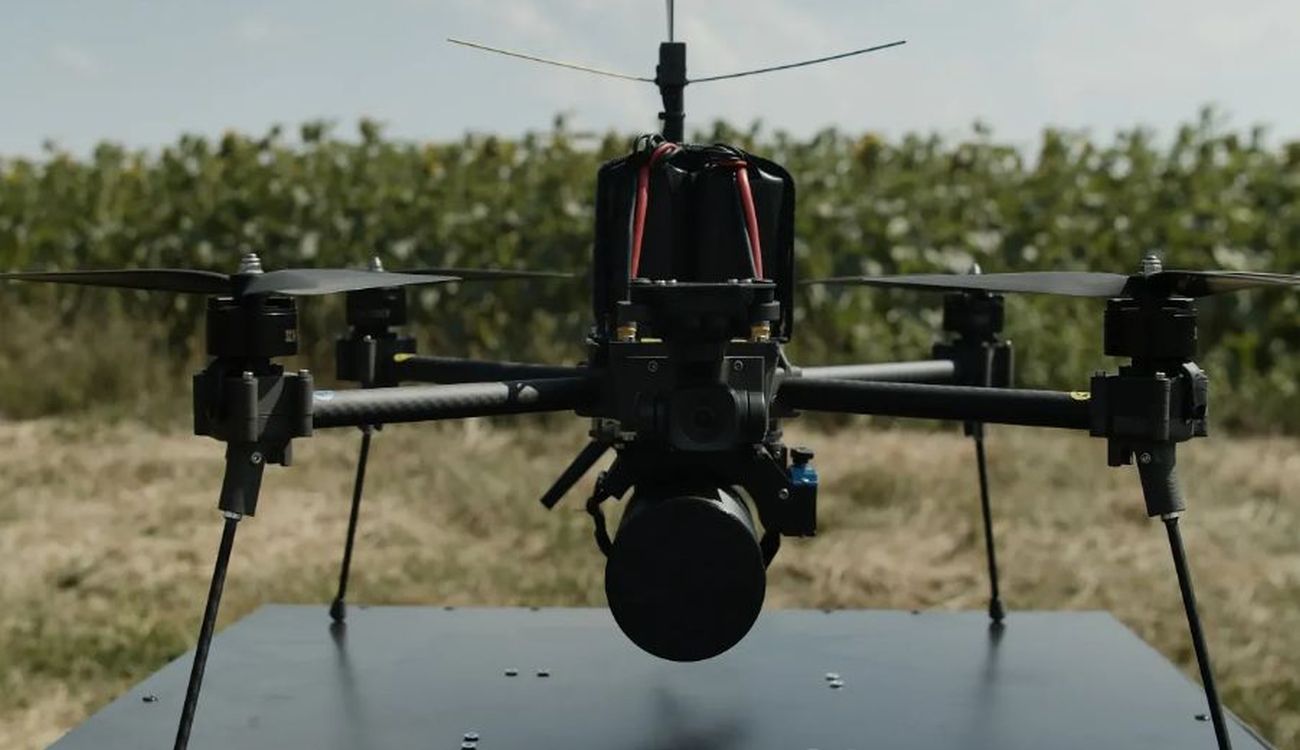
According to UATV: In response to the ongoing conflict in Ukraine, European nations are fundamentally overhauling their defense strategies, with a major focus on investing in military drone production. At a recent meeting in Krakow, NATO's five largest members—Poland, the United Kingdom, Germany, France, and Italy—announced massive investments in this sector. This shift marks a significant move away from post-Cold War peace dividends toward rearmament. The nations plan to establish a unified drone manufacturing network and create new financing instruments for the defense industry.
Key Priorities and Cooperation with Ukraine
A key priority for these countries by 2026 will be the integration of artificial intelligence into military command systems, signaling a clear intent to modernize capabilities and focus on cutting-edge technologies. In a landmark development, Ukrainian defense companies have, for the first time, gained access to NATO contracts, opening new avenues for defense sector collaboration. This move is seen as integrating Ukraine's combat-hardened expertise into the Western defense industrial base.
Furthermore, the European Parliament has approved a joint EU-Ukraine program in the field of defense industry cooperation. The initiative received 457 votes in favor, underscoring broad European support for Ukraine's integration into Western structures. As noted by Colonel Valeriy Vyshnevsky, a representative of the JATEC joint center:
These changes are crucial for ensuring security in Europe and enhancing the defense capabilities of the countries involved in this process.
These developments reflect a profound shift in the European approach to defense policy amid new geopolitical challenges. The deepening cooperation between NATO countries and Ukraine could become a vital factor in ensuring regional stability and boosting collective defense capabilities. The heavy investments in new technologies, particularly drones and AI, point to a strategic course aimed at increasing the effectiveness of military operations and adapting to contemporary threats.
Read also
- Despite Sanctions, Russia Produces New Missiles Using Fresh Electronics from the U.S. and China
- Why the Dismissal of Fedorov Is Eroding Public Trust in the Government
- Russia Summoned in Paris: France Condemns Cyber Attacks Linked to FSB Unit
- Latvia Bans Two Ukrainian Actors for Pro-Russia Propaganda: They Are Now Persona Non Grata
- New Anti-Russia Sanctions Advance in U.S. Congress: Inside the Daines Amendment
- Polish Support for Arming Ukraine Plunges, New Survey Reveals