France Proposes a European Nuclear Deterrent as an Alternative to U.S. Security Guarantees.

A New Vision for European Nuclear Defense
According to UATV: Shifts in U.S. policy are prompting European nations to explore alternatives to the longstanding American 'nuclear umbrella.' In response, France has put forward a proposal for a joint European deterrence system. French President Emmanuel Macron has announced a new strategic doctrine from Paris, which could mark a significant step toward a continental nuclear defense framework. France is prepared to share the costs of such an initiative, while already dedicating $5-6 billion annually to maintain its own nuclear arsenal.
For decades, reliance on the U.S. security guarantee allowed European allies to forgo developing their own nuclear weapons programs. However, the current geopolitical landscape has changed. Countries like Germany and France are now actively negotiating the potential creation of a European nuclear defense system. This signals a growing desire for more autonomous security mechanisms in the face of new global challenges.
Hurdles to a Unified Nuclear Policy
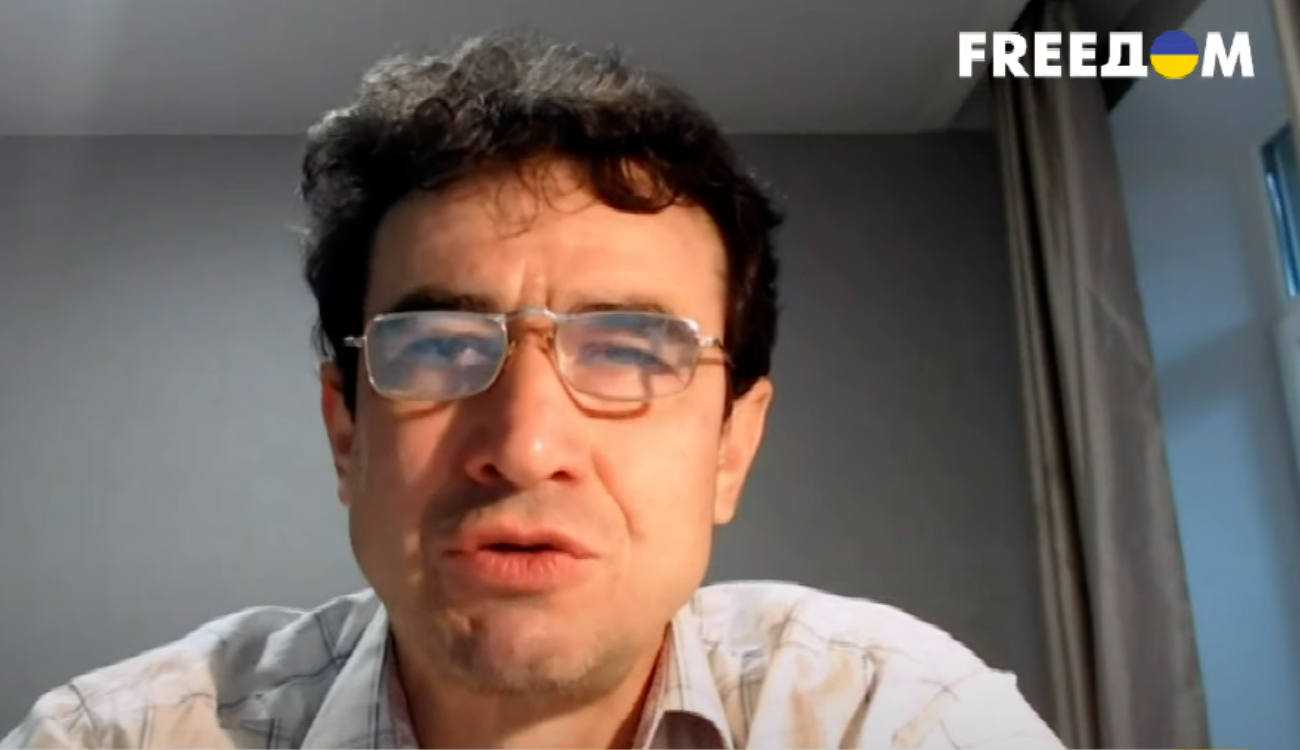
Expert Alexey Izhak points out the difficulties in forming a common nuclear policy among European states. He notes that
"France is not ready for an exchange format like the U.S., as it lacks comparable resources."Izhak also highlights another regional complication, stating
"in Europe, there is Ukraine, which today is itself a kind of nuclear bomb."These factors add layers of complexity to regional security and underscore the importance of finding new pathways to ensure stability.
Consequently, the issue of nuclear security in Europe is becoming increasingly urgent, forcing regional powers to seek solutions that address contemporary threats. Collaboration between France and Germany in this domain could be a crucial move toward establishing a more independent and effective security architecture.
The drive to build a shared European nuclear defense system reflects broader shifts in the global geopolitical order, including instability in the traditional transatlantic alliance. Faced with new challenges, such as heightened aggression from Russia, European states are seriously considering how to ensure their own security, which may lead to a transformation of long-standing alliances. This process will require meticulous planning and consensus-building among EU members to guarantee the effectiveness and resilience of any new security framework.
Read also
- EU Agrees on 21st Sanctions Package Against Russia: Fresh Curbs Targeting Finance and Energy
- Trump Approves Nuclear Deal with Saudi Arabia, Allowing Enrichment Without IAEA Oversight
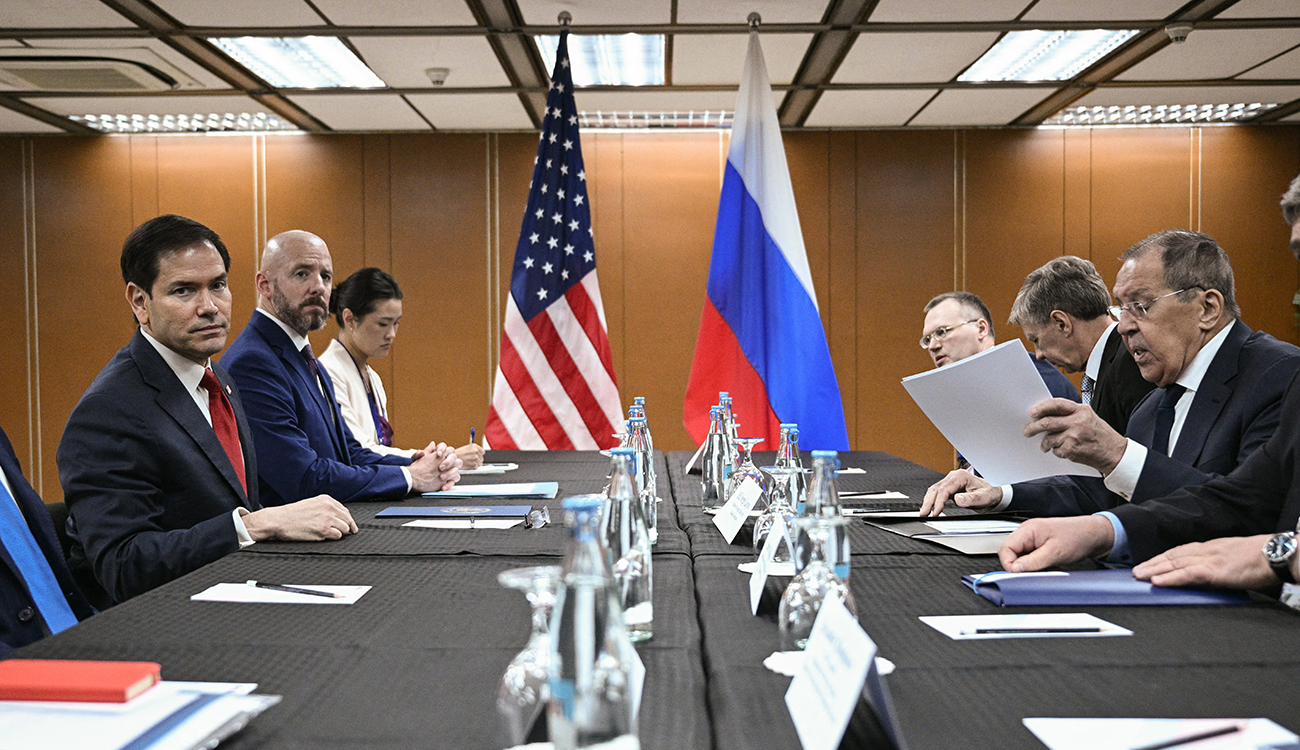
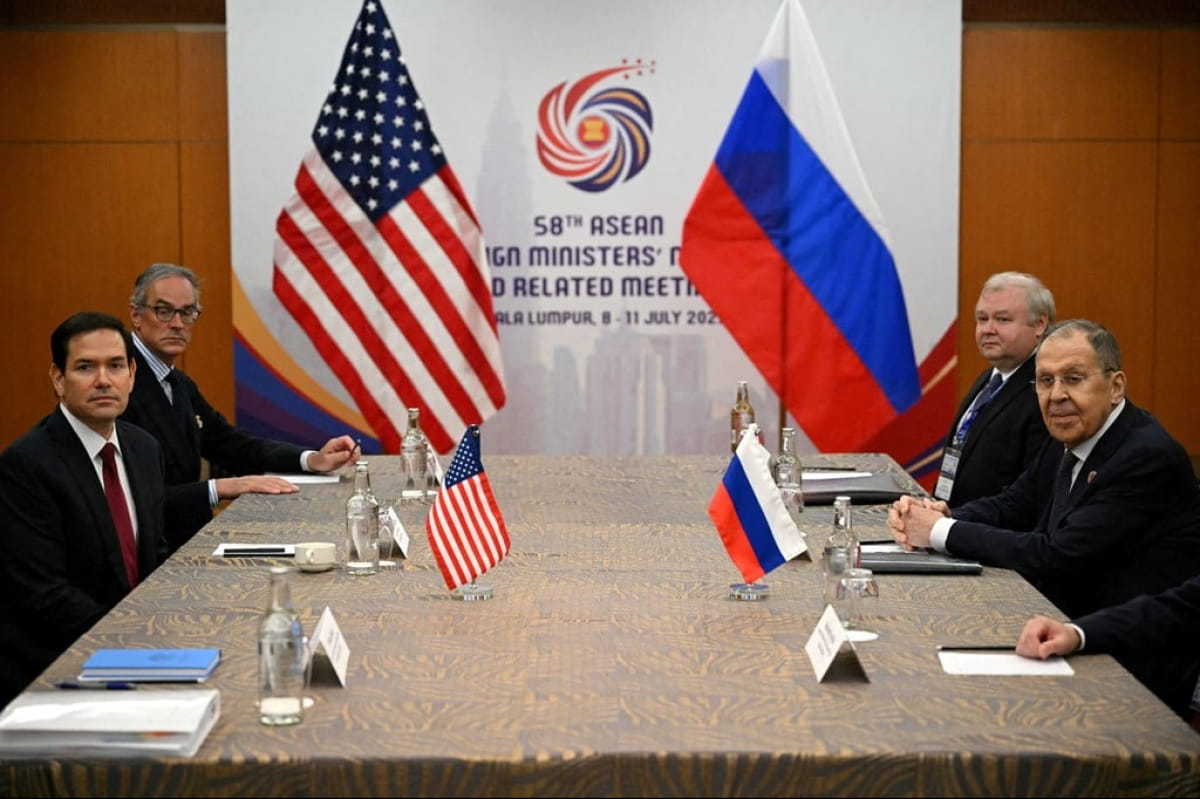
- Rubio and Lavrov Hold Talks in Manila: Key Topics at the ASEAN Summit
- Lavrov Delivers an Ultimatum to Rubio: Demand to Halt U.S. Military Aid to Ukraine
- Pentagon Requests $67 Billion More as US War Costs Against Iran Hit $37.5 Billion
- Ukraine's Supreme Court Judge Declares Sanctions Against Poroshenko Illegal: Key Violations Explained