Europe Rushes to Stockpile Gas as Middle East Conflict Escalates.

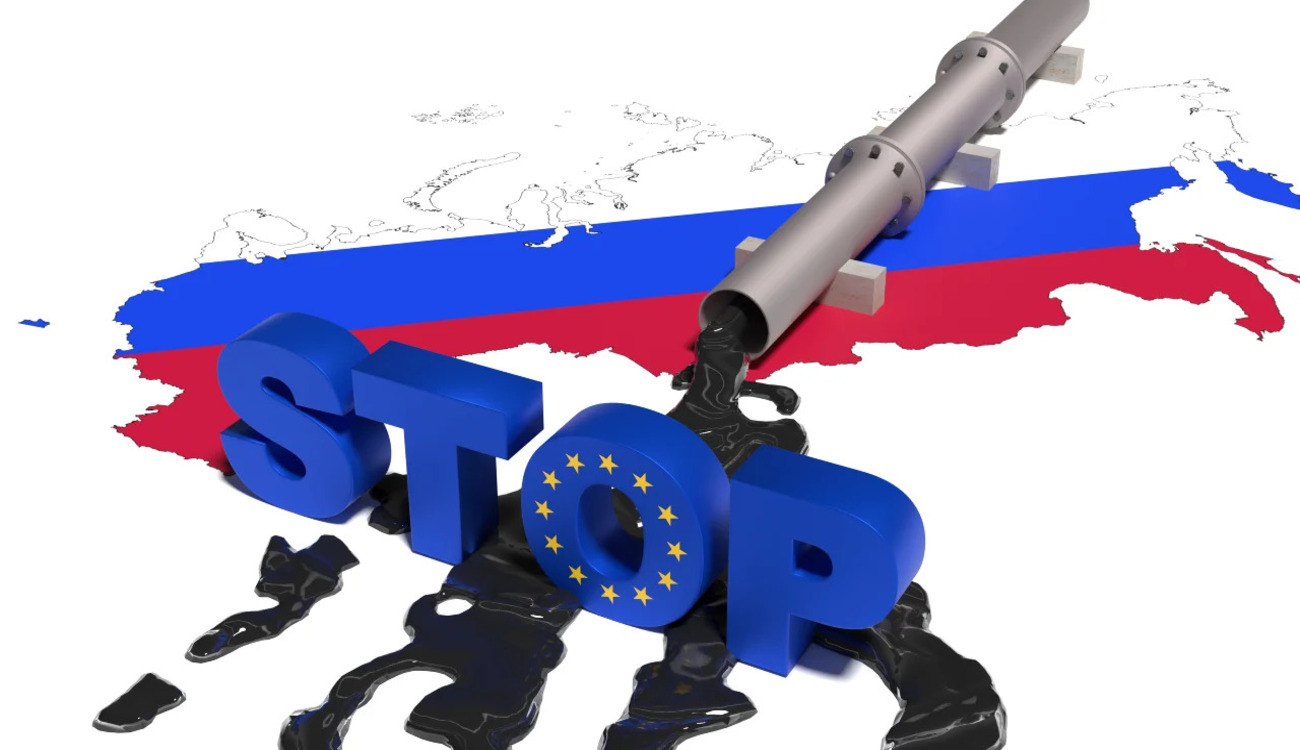
Energy Turmoil and U.S. Response
According to UATV: Amid rising energy prices and the intensifying crisis in the Middle East, officials in Brussels are urging an immediate buildup of natural gas reserves. In response to these pressures, the United States is releasing additional oil supplies—including Iranian crude—onto the market to help drive down costs. The U.S. Treasury has also revised its licenses for Russian oil sales, banning transactions with any countries currently under sanctions.
Scott Bessent, U.S. Treasury Secretary, stated: 'We will use Iranian barrels against Tehran to keep prices low.'
This move is part of a broader strategy to stabilize energy markets that are under severe strain from regional instability. Additionally, on March 19, 2023, the license governing Russian oil transactions was updated, signaling continued oversight of these shipments.
Energy Market Dynamics
In the transportation sector, the vessel Sea Horse has carried 200,000 barrels of Russian gasoil, highlighting ongoing cooperation in this area despite existing sanctions. Meanwhile, a tanker carrying 700,000 barrels of oil is en route to Cuba and is expected to arrive by the end of the month. Cuba now faces an energy blockade following the collapse of the Maduro regime in Venezuela, underscoring the critical need for stable supply chains.
Dan Jørgensen, EU Energy Commissioner, warned that 'energy instability increases the risks of further Russian aggression across Europe.'
This situation has raised alarms in many countries that rely heavily on energy imports.
Overall, the latest actions by the United States—including updated oil sale licenses—reflect a concerted effort to lower energy prices and enhance market stability. At the same time, European nations are actively seeking ways to secure their own energy needs amid growing threats from Russia.
The global energy market remains extremely tense due to ongoing geopolitical conflicts that are disrupting supply chains. The surge in energy prices driven by these conflicts threatens the economic stability of many nations, especially in Europe, where a large share of energy resources is imported. In the face of these challenges, countries are exploring alternative supply sources and working to reduce their dependence on traditional providers.
Read also
- Drone Strikes on Refineries Trigger Fuel Crisis in Russia: One in Five Trucks Now Idle
- Russia’s Economy Shows Cracks as Stock Indexes and Business Sentiment Plunge to New Lows
- Russian Billionaire Andrey Melnichenko Shares His Vision for Russia’s Post-War Future
- Fuel Crisis in Russia Exposed by Intelligence: Gasoline Prices Surge by a Third
- Global Fuel Markets Shaken as Ukrainian Drones Undermine Russian Control
- Russian Business Owners Are Moving Billions Abroad Amid Fears of Asset Seizure and Forced War Funding