Europe Divided by Deep Freeze and Storms: Ukraine Hits -15°C as South Battles Flooding.

Europe's Weather Extremes
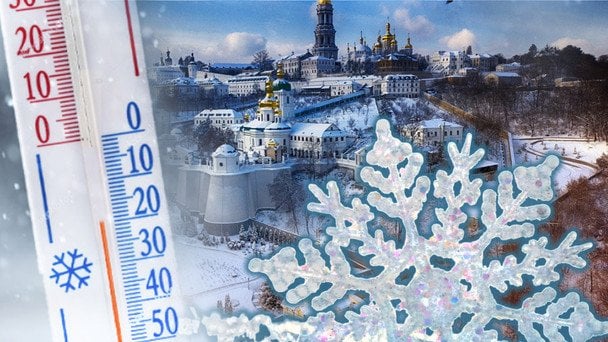
According to TSN.ua: A stark weather divide is gripping Europe, with severe frosts in the north and east and heavy rains and storms lashing the south. In Ukraine, temperatures have plunged below -10°C, reaching as low as -15°C in some areas. This intense cold has coincided with reports of intensified strikes on energy infrastructure in Russia, highlighting the strain such conditions place on critical systems. These simultaneous events underscore the continent's vulnerability to winter extremes.
Heavy rains, snow, and freezing temperatures are defining the current situation across the continent. In Hamburg, large ice fields have been observed on the Elbe River, a clear sign of the severe frost gripping the region. Meanwhile, earlier this week, eastern Sicily was battered by strong winds and torrential rainfall, causing significant difficulties for local residents.
Impact on Daily Life
The deep freeze in Ukraine persists, with temperatures frequently dropping below -10°C. In some regions, readings of -15°C have complicated daily life for residents. However, forecasts suggest a slight moderation is on the way, with temperatures expected to rise by 2 to 4 degrees from January 22nd, which may offer some relief.
A significant cold wave is also expected to sweep across a large portion of the United States by the end of the week. In the northern parts of the country, thermometers are predicted to drop below -20°C in places, potentially leading to serious consequences for the population.
In a contrasting trend, temperatures in the Arctic at the start of the year exceeded the climatic norm by 5 to 12 degrees, a strong indicator of ongoing global climate shifts. The widespread cold on multiple continents is influencing natural gas prices, which could have economic repercussions for many nations.
These weather anomalies demonstrate that the effects of climate change are becoming increasingly tangible on a global scale.
Consequently, Europe's weather remains highly abnormal, marked by sharp contrasts between the northern cold and southern deluges.
Such sharp temperature fluctuations can severely stress national energy grids, especially amid rising heating demand during the winter season. As this instability continues, countries must adapt their response strategies to climate challenges to minimize potential negative impacts on populations and economies.
Read also
- Russia's Supply Line Crippled: Bridge Strikes in Chongar Cut 100 km of Logistics
- Germany Pledges €300 Million to Czech-Led Ammunition Plan, Securing 50,000 Shells for Ukraine
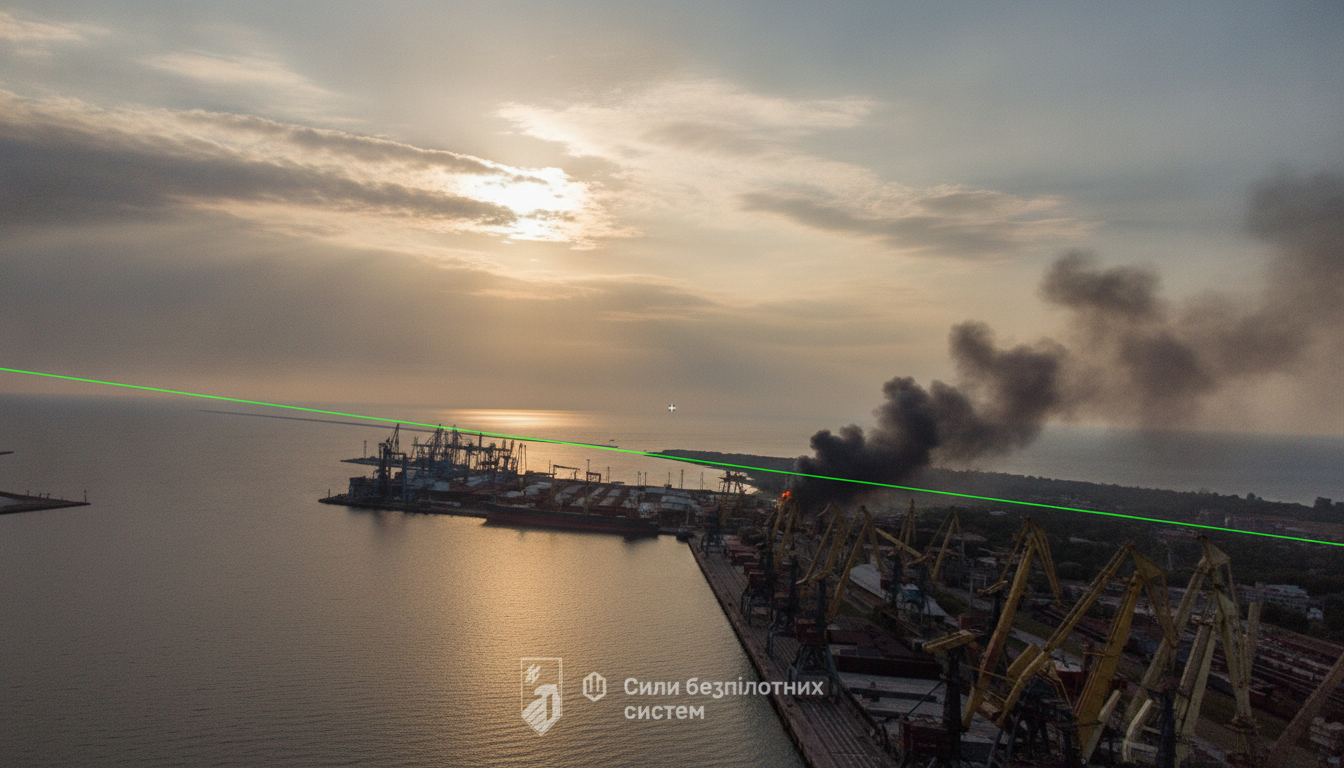
- Mariupol Port Destroyed by Azov and SBU Forces, Cutting Off Russia’s Sea Access
- Ukrainian Forces Push Back Russian Army on the Alexandrovsk Front: New Gains Reported
- Can Russia Capture Kramatorsk and Sloviansk? The Growing Pressure in Donetsk Region
- Ukrainian Drones Cripple Chongar Bridge to Crimea: Key Details on the FrontStrike Operation