EU approved a complete ban on Russian gas: when will the turn for oil come.

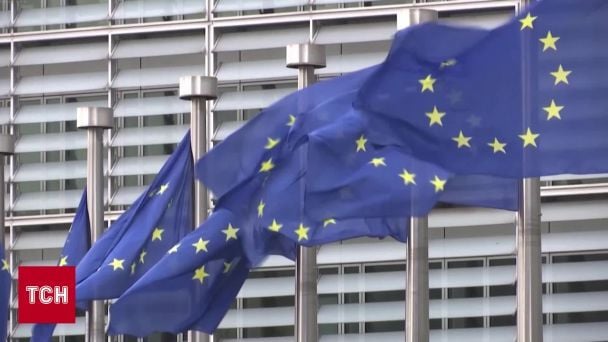
According to ТСН: The EU Council and the European Parliament have reached a preliminary political agreement on a new regulation that proposes a phased withdrawal from the import of Russian natural gas. If the document is finally approved, the complete ban will take effect by the end of 2027.
This regulation is an important element of the REPowerEU initiative aimed at strengthening the energy independence of the European Union. It establishes a legally binding ban on the import of Russian gas, both pipeline and liquefied (LNG).
Deadlines and Monitoring Mechanism
For long-term contracts for the supply of pipeline gas, the deadline for withdrawal is set for November 1, 2027, and for LNG – January 1, 2027. Short-term contracts concluded before June 2025 will have a transitional period: the ban on LNG will start on April 25, 2026, and on pipeline gas – June 17, 2026.
A new import pre-approval mechanism will be introduced to monitor compliance with these restrictions. Under this mechanism, information about Russian gas must be submitted at least a month before supply. Changes to existing contracts will only be allowed for technical reasons and cannot increase import volumes. Penalties for companies and individuals are provided for violations of these rules.
Diversification of Supplies
EU member states are required to develop national diversification plans for supplies. This requirement will also apply to states that still purchase Russian oil. The European Commission plans to propose legislative initiatives to end oil imports from the Russian Federation by the end of 2027 as well.
“This is a great victory for us and for all of Europe. We must put an end to the EU's dependence on Russian gas, and its complete ban in the EU is an important step in this direction”
The preliminary political agreement still needs to be officially approved by the EU Council and the European Parliament, after which the regulation will come into force.
It should be noted that in October, ambassadors from EU countries approved a phased plan to withdraw from the import of oil and gas from Russia by 2028 to reduce financing of the war by the Kremlin. Most states supported this initiative, although Hungary and Slovakia, which depend on Russian energy resources, criticized it. These countries also need to prepare national disengagement plans.
Thus, the new regulation not only strengthens the energy security of the EU but also contributes to reducing dependence on imported supplies, especially from the aggressor country. The process of implementing these changes will be an important step in ensuring the stability of Europe's energy markets in the face of current challenges. Further steps regarding the implementation of the regulation may significantly affect the energy market and external political relations in the region.
Read also
- Russia's Nuclear Deterrence System Has Been Broken: What This Means for Ukraine
- Trump sparks Kremlin confusion as Peskov and Zakharova contradict each other
- France and Poland Launch Nuclear Security Group: What It Signals for NATO
- Satellite Imagery Reveals Iran Reactivating Nuclear Sites After US Deal
- Nearly $3 Million Paid: U.S. Issues First Compensation for 'Havana Syndrome' Victims
- Russia’s Strategic Position Deteriorates as Ukraine Intensifies Counteroffensives: Frontline Analysis