Saving on heating bills: how to reduce costs this winter.

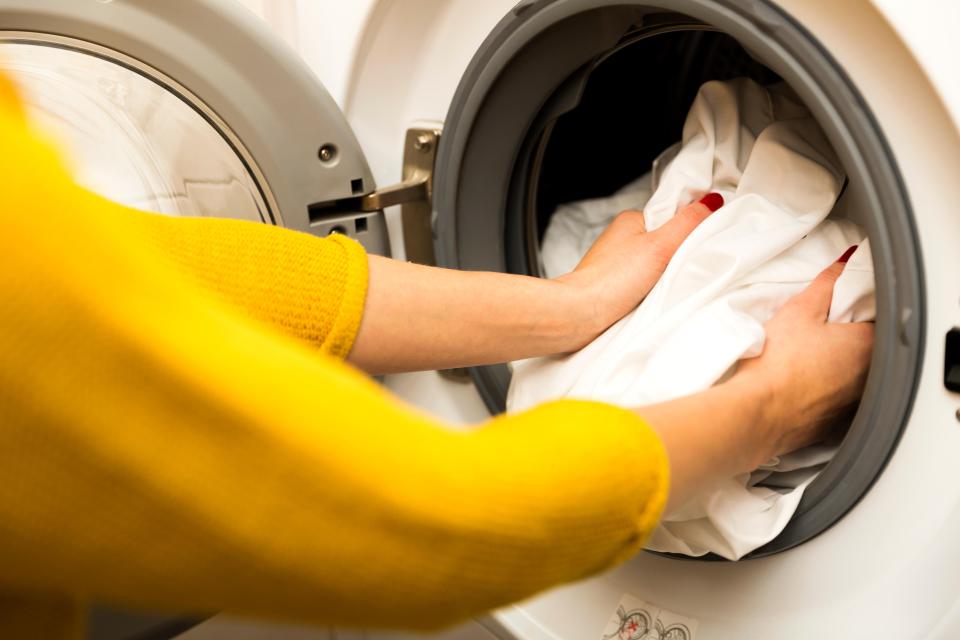
According to The Sun: Households can significantly save on energy bills this winter season by washing clothes at the right temperature.
Experts note that most people increase the washing temperature in washing machines more than necessary.
AlamyWashing at 30°C or using the eco mode can lead to significant savings, as modern laundry detergents work well even at low temperatures.
This not only reduces energy consumption but also extends the lifespan of clothes due to gentler effects on materials and colors.
Approximately 40% of greenhouse gas emissions in the UK come from households.
A washing machine is one of the most frequently used appliances in the home.
Washing at 30°C can save between £10 and £14 on your annual energy bill, and your clothes will appreciate it.
Numbers
According to Energy Saving Trust data, a typical 7 kg washing machine used 220 times a year costs between £25 and £35 for washing energy.
At the same time, washing at lower temperatures reduces these costs.
Washing machines consume a lot of energy to heat water to the set temperature.
Lowering the temperature from 40°C to 30°C significantly reduces the need for electricity.
The Telegraph research shows that washing at 30°C can save approximately 40% of electricity compared to washes at higher temperatures (40°C and above).
If you wash four times a week, switching to 30°C can save you £10-£30 a year, although this depends on the washing machine model, usage habits, and energy rates.
For families with children, the average number of loads per week reaches six to eight, which can lead to savings of over £60 a year.
Savings will be even greater if you previously washed at 60°C or often used a dryer, as lower temperatures also promote faster drying of clothes when air drying.
Other energy-saving tips
Experts recommend maintaining a comfortable temperature in the home between 18°C and 21°C to retain heat without unnecessary expenses.
Your thermostat and radiator valves can help adjust the optimal temperature in each room, making your stay indoors more comfortable.
However, be careful — excessive temperature increases lead to additional costs.
Set the heating timer according to your schedule — turn it off when you are not home to avoid heating an empty apartment.
Prevent drafts using door and window seals.
Feeling inspired? Use old socks or sleeves stuffed with newspapers to seal gaps under doors — it's a budget-friendly and effective way.
Every time you open a door, about a quarter of the heat is lost, so keep them closed while cooking.Energy savings in households is becoming an increasingly relevant topic, especially in light of rising energy prices. Following washing guidelines and general energy-saving tips can significantly lighten the budget burden and contribute to reducing environmental impact. By changing simple habits, everyone can help save resources and contribute to sustainability.
Read also
- Russian Billionaire Andrey Melnichenko Shares His Vision for Russia’s Post-War Future
- Fuel Crisis in Russia Exposed by Intelligence: Gasoline Prices Surge by a Third
- Global Fuel Markets Shaken as Ukrainian Drones Undermine Russian Control
- Russian Business Owners Are Moving Billions Abroad Amid Fears of Asset Seizure and Forced War Funding
- Former Minister Sobolev Takes on New Role in the President’s Office: What He Will Be Working On
- India Becomes Fuel Supplier to Russia as Diesel Shortage Bites