Peace Plan for Ukraine: What Price Will Europe Pay for Territorial Amputation.

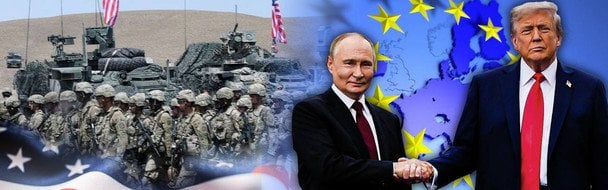
According to ТСН: The peace plan for Ukraine, which envisages Russia retaining occupied territories, could seriously impact Europe's economy. All ceasefire proposals that have been heard in recent weeks contain conditions under which Kyiv must acknowledge that Russia maintains at least temporary control over the seized areas. This will create uncertainty that will negatively affect Europe's economy for many years.
Firstly, peace raises the question of whether Vladimir Putin is willing to allow the use of his country's frozen reserves—about $300 billion in the US, Japan, the UK, and Europe—for the reconstruction of Ukraine, as EU governments desire. It is unlikely that he will agree to this.
The proposed EU initiative, supported by German Chancellor Friedrich Merz, suggests using the bloc's central bank assets – about $210 billion – as collateral for a 'reparations loan' to Ukraine. However, EU leaders need to act faster for these assets to genuinely assist in compensating for Russia's aggression against Kyiv.
Reconstruction Costs
The World Bank estimated about a year ago that the cost of rebuilding Ukraine would be $524 billion over the next ten years. Today, this amount has risen to around $600 billion, according to a European official. Instead of Russia covering part of the costs, Ukraine's allies will likely have to shoulder most of the financial burden.
According to the World Bank, the reconstruction of Ukraine needs to be financed through funds from foreign governments, international organizations, and private investors. However, if the territorial issues are not resolved, Ukraine cannot expect an influx of private capital necessary for economic recovery. Even if both sides agree to an unstable status quo, the fear of renewed hostilities will deter investors for many years.
Defense Costs
If an unstable truce is established in eastern Ukraine, Western Europeans will at least need to increase defense spending. Rewarding Putin's actions, other countries close to Russia will also have to exercise increased vigilance.
The final problem for Europe and Ukraine is that 'peace' may grant Putin an economic waiver. In the initial version of a potential agreement, sanctions from Washington, in place since 2022, could be lifted. Following a three-year period that transformed Russia into a war economy, this could be a turning point for the country.
The lifting of sanctions would enhance Russia's economic potential, and thus its rearmament capabilities, warns Reuters.
While a partial truce based on the status quo may seem appealing due to the possibility of stopping destruction and loss of life, Europe could find itself in a situation where an unstable Ukraine turns into a financial burden for many years, ultimately leading to the risk of new conflict.
Earlier, CNN reported how Volodymyr Zelensky is forced to choose between a terrible deal and an unfavorable peace.
The situation surrounding the peace plan remains extremely complex. The economic consequences could have a long-term impact on the stability not only of Ukraine but of all Europe. In conditions of uncertainty, many countries may strengthen their defense capabilities and also seek financial mechanisms to support Ukraine during the recovery period.
Read also
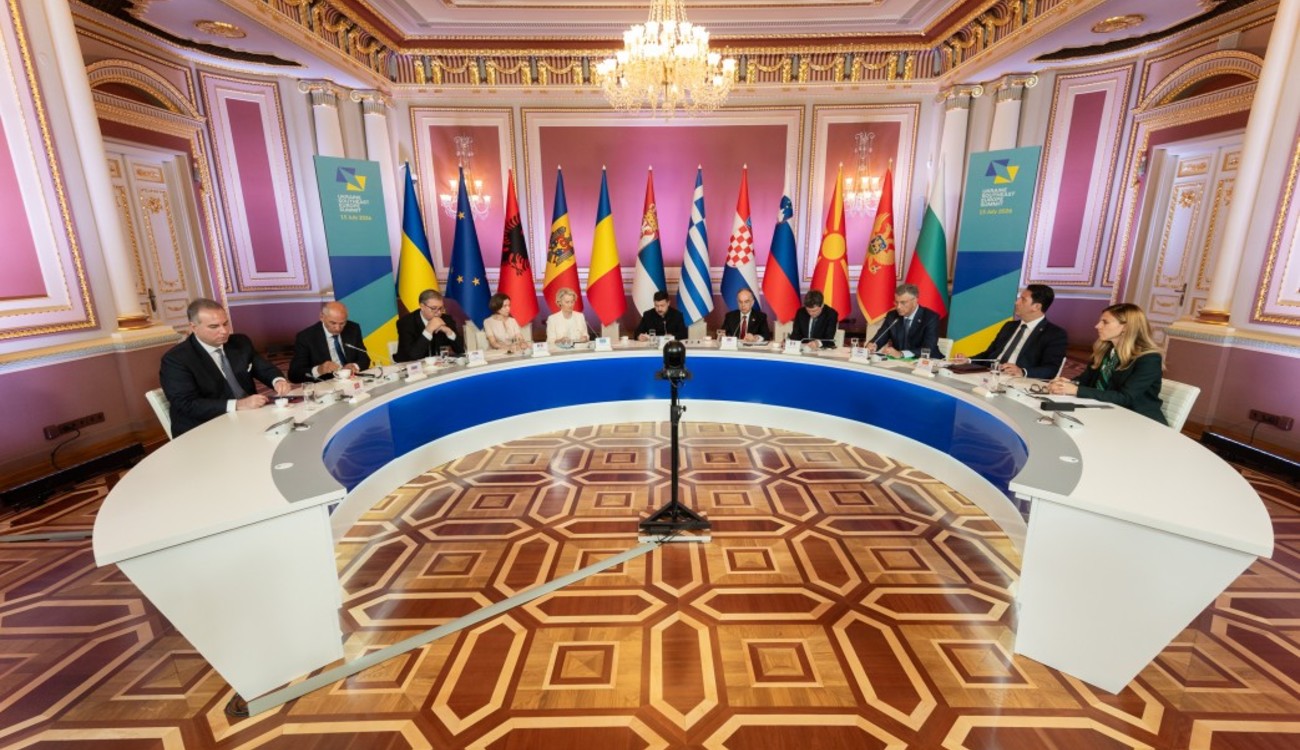
- At Kyiv Summit, Zelensky Urges Europe to Maintain Pressure on Russia Through Sanctions
- Massive protests erupt across Ukraine after defense minister Fedorov is dismissed
- Repeating History: Why Ukraine Lost Its Liberation Struggle a Century Ago
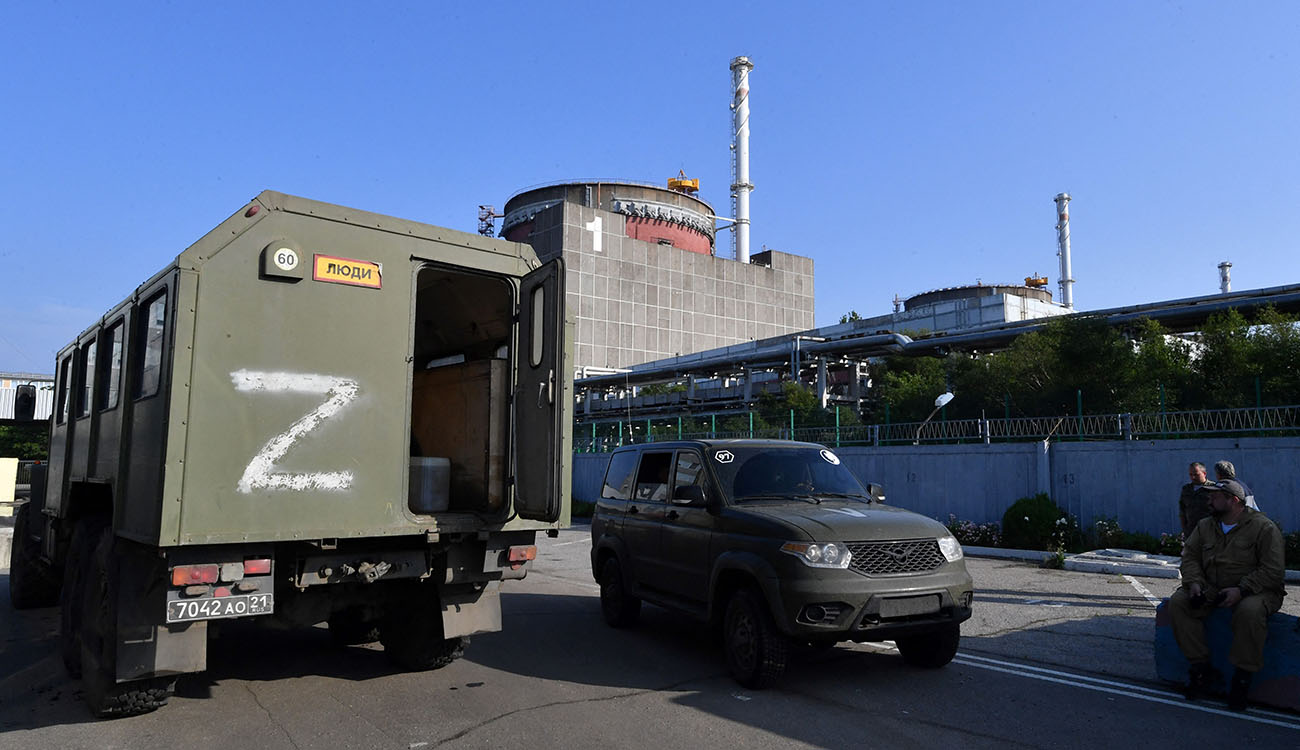
- Russia’s Accusations Over Zaporizhzhia Engineer’s Death Dismissed by Ukraine’s Foreign Ministry
- CIA Director: Russian Soldiers Survive Only 30 Minutes on the Frontline
- US Greenlights License for Patriot Missile Production in Ukraine