Finland Unveils New Defense Initiative Set for 2027: Implications for Ukraine.

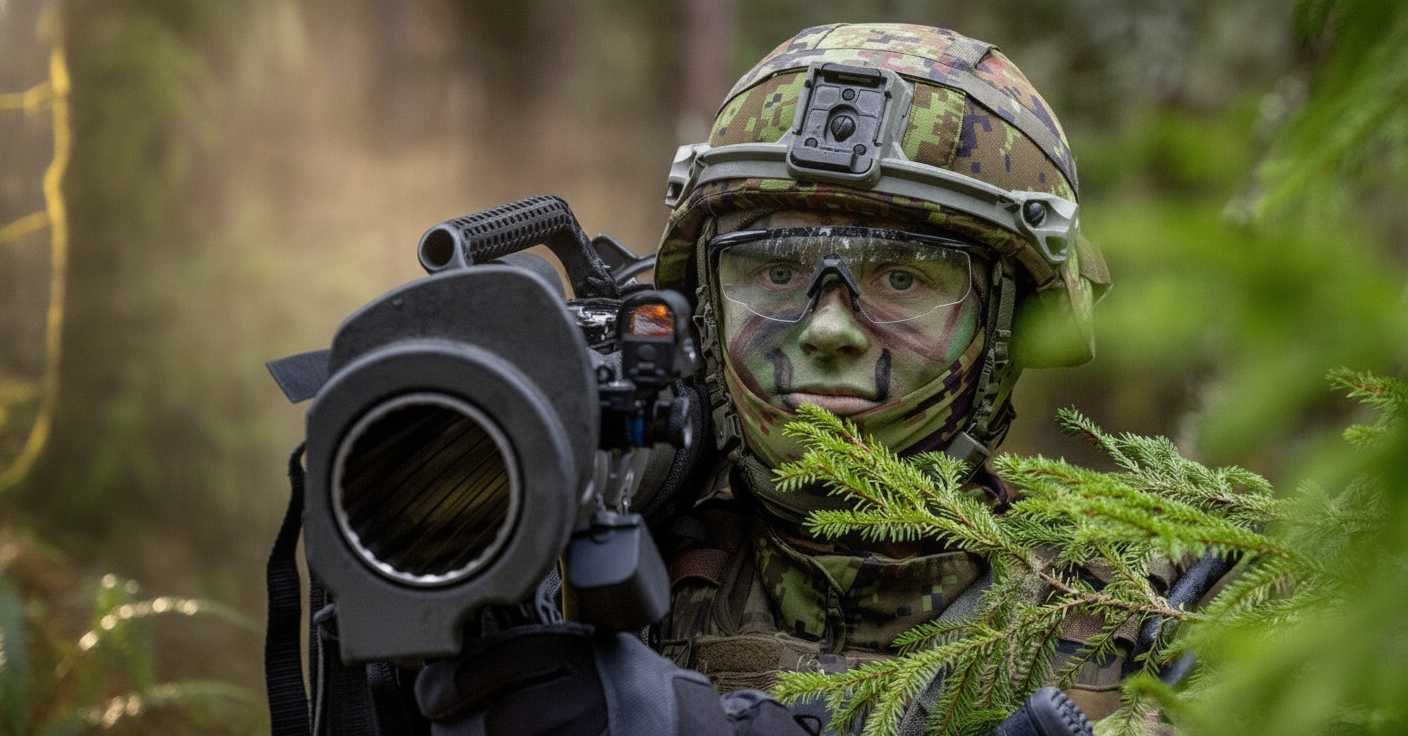
A Multilateral Defense Framework by 2027
According to Espreso.tv: Finland, in collaboration with several allied nations, is pushing to establish a Multilateral Defense Mechanism by 2027. This effort is driven by the need to strengthen defense capabilities amid ongoing support for Ukraine in its war against the Russian Federation. A pivotal moment for this initiative will be the NATO summit scheduled for July 7–8 in Ankara.
In the lead-up to the summit, Politico released a draft of the summit’s final declaration on June 25. The document highlights that the United Kingdom, the Netherlands, Finland, and Poland are actively backing Ukraine. This underscores a growing international consensus on security and defense issues, especially in the face of current military aggression.
Nations’ Stances on the Initiative
Finland’s Ministry of Defense has confirmed that, based on technical groundwork, participating countries will move into the next phase of planning and developing a funding mechanism with partner signatories during the autumn. The push for a multilateral framework thus emphasizes the critical role of international defense collaboration in addressing modern challenges.
However, not all nations are on board. On June 27, Slovak Prime Minister Robert Fico confirmed that Bratislava has no plans to provide aid to Ukraine. This position could affect the overall strategy of allied support within NATO and other international organizations.
Overall, the development of the Multilateral Defense Mechanism and the Ankara NATO summit highlight the importance of collective efforts to ensure security in Europe.
The creation of this multilateral defense framework marks a significant step in response to rising security threats in Europe stemming from Russia’s aggression. Allied support for Ukraine demonstrates the international community’s readiness for active defense measures. At the same time, Slovakia’s stance may reflect a divergence of opinions among NATO members regarding support for Ukraine, potentially complicating the formation of a unified alliance strategy. This underscores the need for cohesion among allies to effectively address contemporary security challenges.
Read also
- Air defense and funding top Ukraine’s agenda for NATO talks, lawmaker says
- Nearly 20 Bilateral Meetings and New Agreements Announced by Zelenskyy at NATO Summit in Ankara
- NATO Summit in Ankara: Three Pillars of Support for Ukraine and Zelenskyy–Trump Meeting
- Can the Alliance Hold Together? Inside the NATO Summit in Ankara
- Trump and Zelenskyy Set for Ankara Talks: Key Issues on the Table at NATO Summit
- NATO Summit in Ankara: Will Ukraine Secure New Weapons and Safety Guarantees?