Experts share how to prepare your heating system for winter: 4 steps to save.

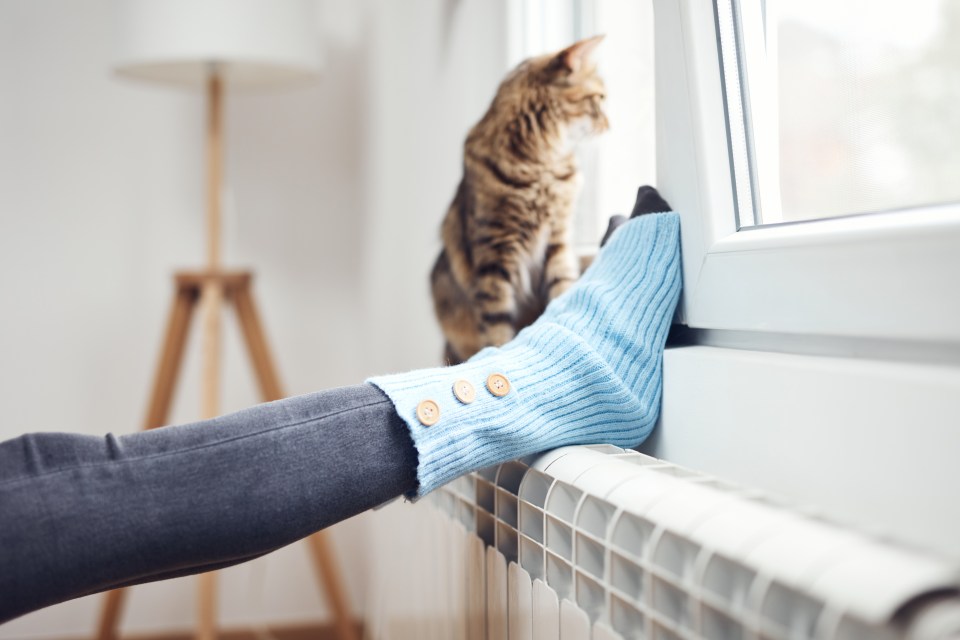
Before turning on the heating: important tips
According to The Sun: As it gets colder and the days shorten, you are likely planning to turn on the heating. But before rushing to the radiators, it is worth paying attention to a few important points. This will help avoid unnecessary expenses in autumn and winter.
Getty“There is nothing worse than a boiler breakdown when it’s freezing outside, so you should take care of your system,” said USwitch energy expert Ben Gallezy.
According to Checkatrade, the average cost of boiler repair is £300, and emergency repair can cost £450.
1. DO NOT turn on the heating at full power
Due to high energy tariffs, it may be tempting to turn the heating to maximum. However, it is better to turn it on for a short time rather than immediately providing heat at full power.
“Modern domestic boilers are designed to work at full power when the thermostat demands it, so turning it on to maximum will not damage the appliance,” said Mr. Gallezy.
However, if the boiler does not work for a long time, it can lead to problems such as air in the radiators, low water pressure, dirt in the system, or small leaks.
2. Service your boiler – and consider a 'power flush'
Regular boiler servicing can significantly save energy costs in the long run as it ensures its efficient operation.
“An inefficient gas boiler can significantly increase your energy bills, as it will likely consume more fuel to produce the same amount of heat for your home,” said Mr. Gallezy.
Boiler servicing costs on average from £80 to £120.
The expert advises to ask the technician about the possibility of conducting a power flush, which can help reduce energy costs and improve system efficiency.
3. Install heating controls
Simply turning on the heating when you are cold may not be the most economical option. Installing a thermostat and timer will help save on bills.
The thermostat automatically turns off the boiler when the temperature in the house reaches the level you set. According to the Energy Saving Trust, the thermostat should be set to 18-21°C.
4. Bleed the radiators
Bleeding the radiators is one of the cheapest and quickest ways to improve heating efficiency in winter.
“Bleeding the radiators removes trapped air that prevents them from heating properly,” said Utility Warehouse commercial director David Walter.
For this, you will need a radiator key, which can be purchased for a small price. First, turn off the heating and let the radiators cool down. Then find the air bleed valve at the top of the radiator.
By following these tips, you can not only save on heating bills but also ensure comfort in your home. Proper maintenance of your heating system will help avoid expensive repairs and unpleasant situations on freezing days.
Read also
- Russian Billionaire Andrey Melnichenko Shares His Vision for Russia’s Post-War Future
- Fuel Crisis in Russia Exposed by Intelligence: Gasoline Prices Surge by a Third
- Global Fuel Markets Shaken as Ukrainian Drones Undermine Russian Control
- Russian Business Owners Are Moving Billions Abroad Amid Fears of Asset Seizure and Forced War Funding
- Former Minister Sobolev Takes on New Role in the President’s Office: What He Will Be Working On
- India Becomes Fuel Supplier to Russia as Diesel Shortage Bites