France Blocks Plan to Buy British Storm Shadow Missiles for Ukraine, Splitting EU Nations.

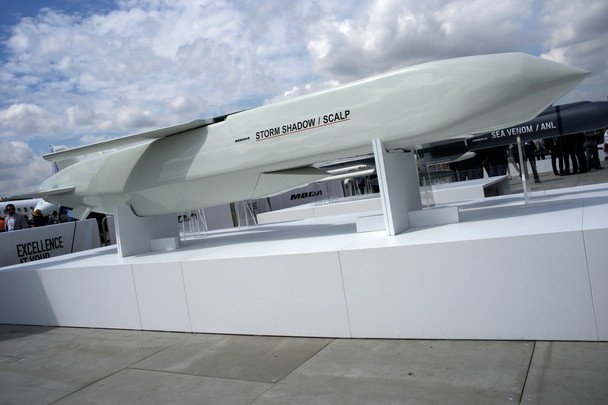
France Opposes Simplified Purchase of British Cruise Missiles
According to TSN.ua: France is refusing to back a proposal to streamline the procurement of British Storm Shadow cruise missiles for Ukraine under a new European financial instrument. A coalition of 11 EU member states is pushing to relax the rules governing a 90-billion-euro credit line to allow the purchase of British weaponry. Paris, however, insists that the funds should be directed toward strengthening the European Union's own defense industry. This dispute highlights a fundamental tension within the EU between providing immediate aid and building long-term strategic autonomy.
According to the coalition's proposal, two-thirds of the designated credit is planned for purchasing armaments for the Ukrainian Armed Forces. The Ukrainian side has separately noted that by 2026, it will require military equipment worth a total of 24 billion euros. Ukraine's stated needs include American Patriot air defense systems and PAC-3 interceptor missiles.
Divisions Among EU Member States
France maintains that the bloc's financial resources must be used to foster the growth of the EU's domestic defense sector. Its position is supported by the Baltic and Scandinavian nations, as well as Poland, Romania, the Czech Republic, and the Netherlands. Conversely, eight countries, including Germany, have advocated for a more flexible approach to acquiring British weapons. This split reveals the complex political and industrial calculations at play within the alliance.
The ongoing debate over funding Ukraine's military needs underscores the challenge of balancing immediate battlefield requirements with the strategic goal of bolstering Europe's industrial base. These internal divisions could impact the speed and efficiency of delivering military aid to Ukraine, potentially influencing future negotiations on European security architecture in the face of ongoing Russian aggression.
Read also
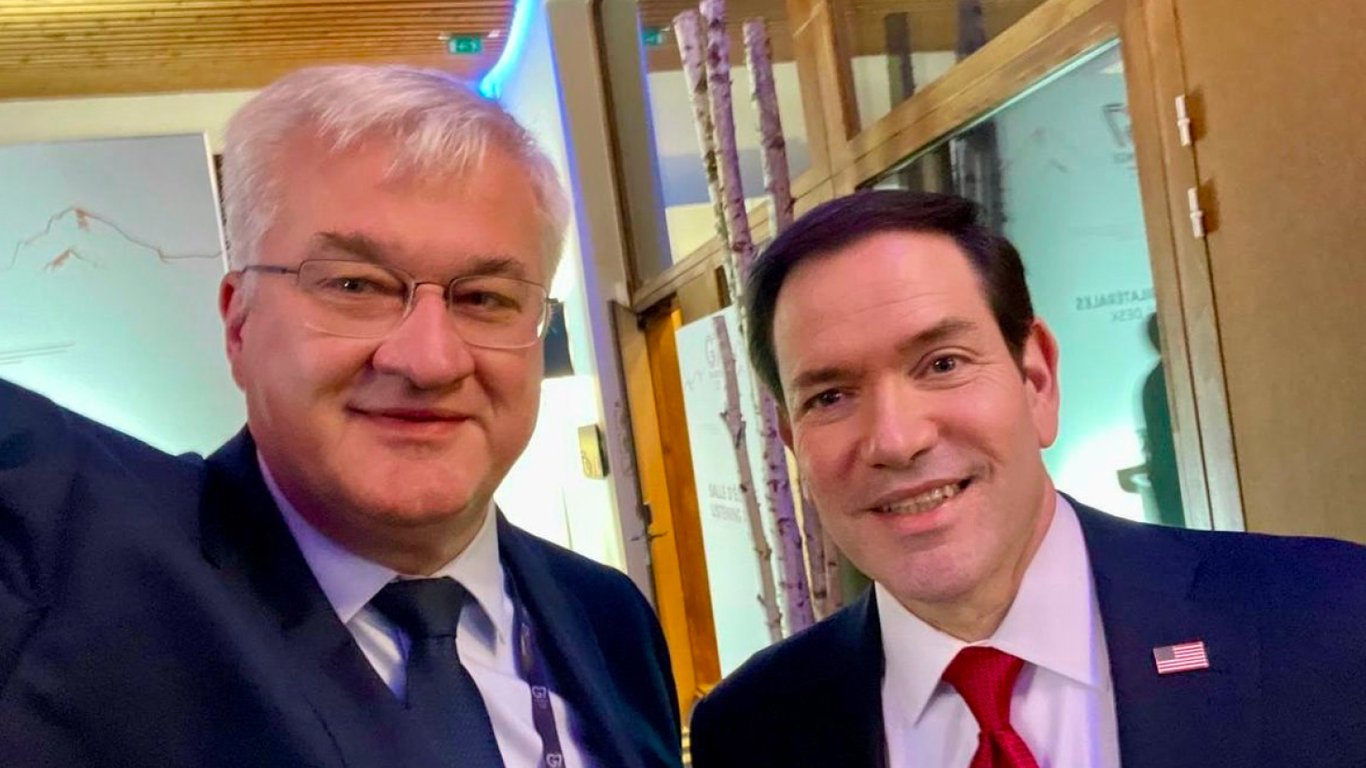
- Sibiga and Rubio Hold Pre-Evian Talks: Ukraine’s Frontline Gains, Cultural Losses, and the Iran Deal
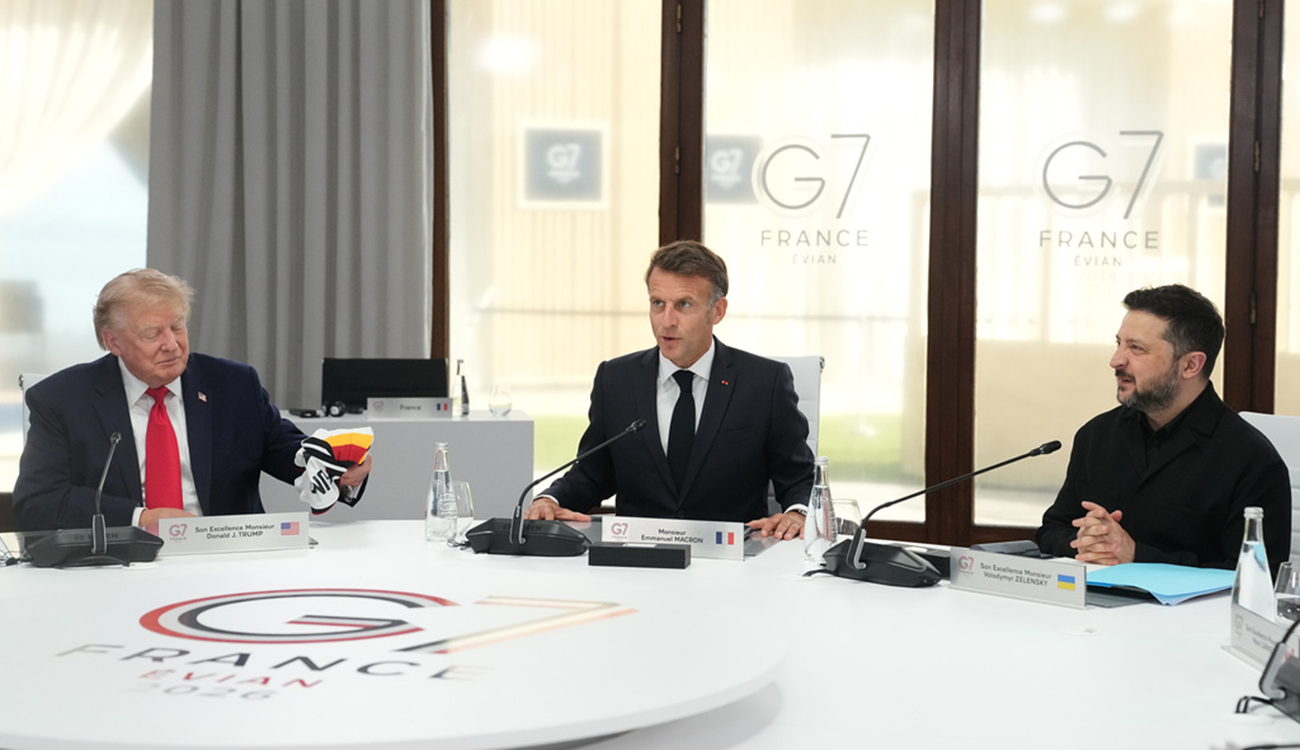
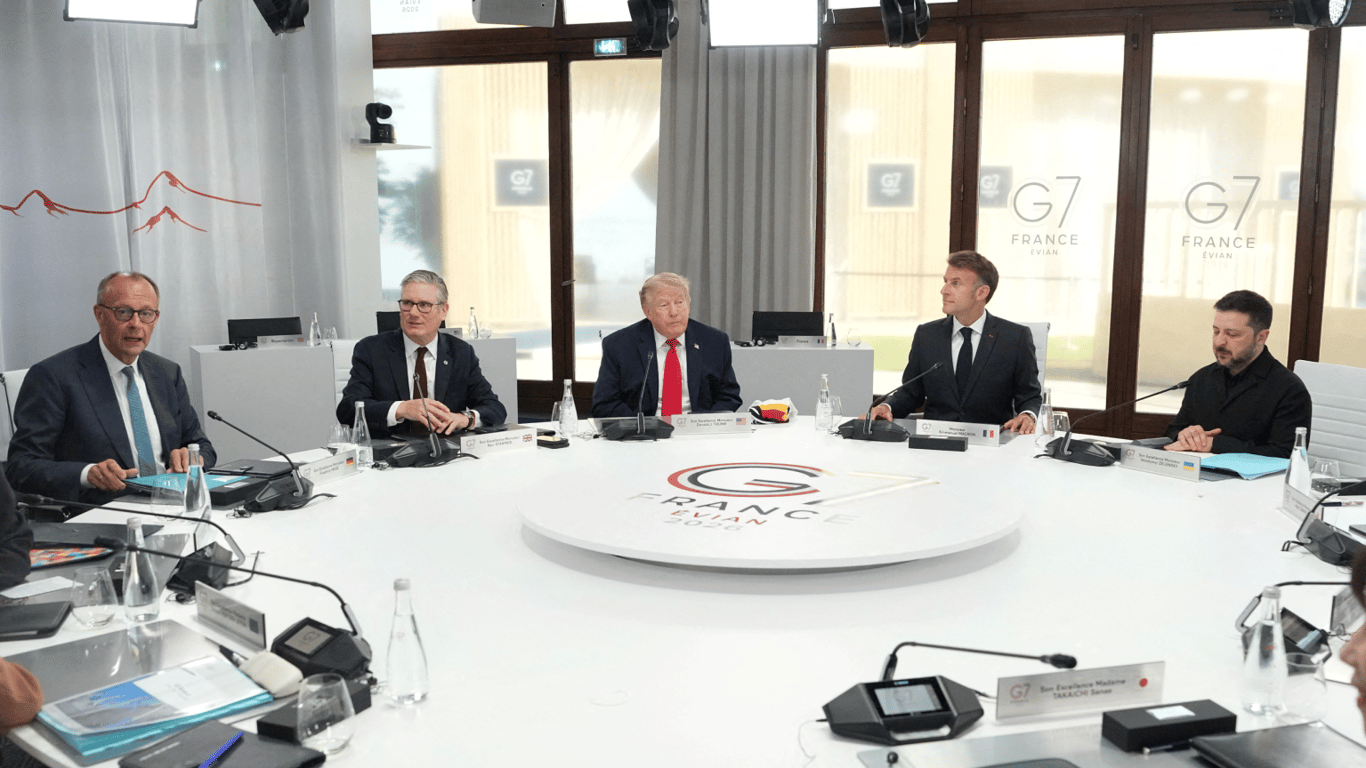
- G7 Unites Behind Ukraine: Zelenskyy Highlights Key Summit Outcomes
- G7 Ramps Up Ukraine Support: New Air Defense Systems and Tougher Sanctions Against Russia
- Switzerland and France Step Up to Rebuild Ukraine: Chernobyl Shield and Kyiv Monastery
- Air Defense Talks Dominate Zelenskyy-Merz Meeting on the Sidelines of the G7
- Ukraine Ready for Peace, Zelenskyy Tells G7 – Here’s How Allies Responded