Women's Sports in Great Britain: How the Rules of the Game Have Changed in Recent Years.

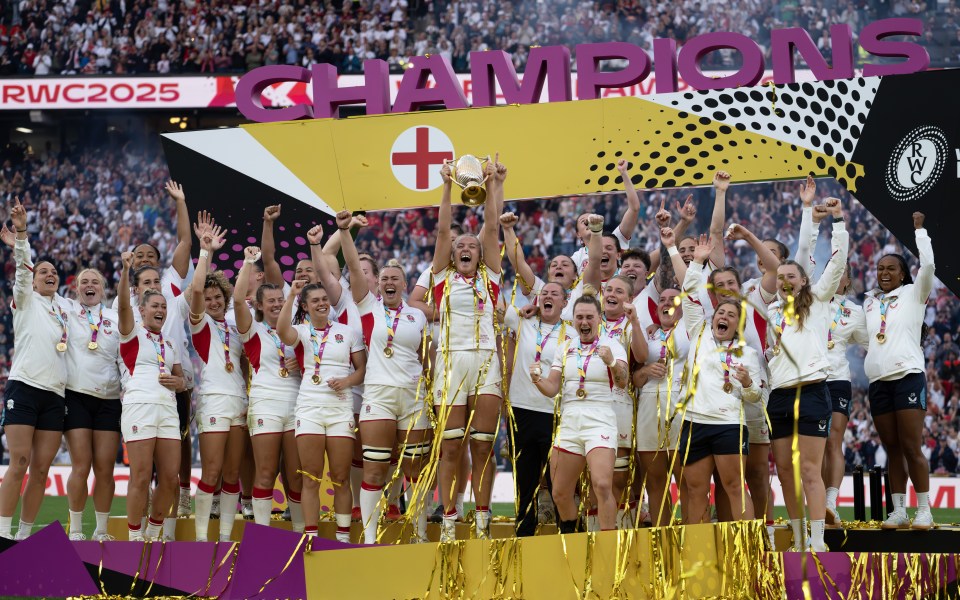
According to The Sun: The girls continue to surprise and delight us!
We leave nostalgia for the 'Girl Power' of the 90s behind, as times are changing.
Shutterstock Editorial GettySuccesses of English Teams
The Red Roses became the champions of the Rugby World Cup last week, gathering a record 82,000 spectators at Twickenham Stadium. This came just after our Lionesses' victories in European championships, confirming that women's sports have become an integral part of overall sporting culture.
The History of Women’s Football Development
Two to three decades ago, women in football were seen as somewhat strange. In 1921, England had over 150 women’s football clubs competing in front of 40,000 spectators. However, the Football Association (FA) banned the sport, claiming it was 'inappropriate for women'.
Changes happened only after 50 years, and the development of women's football unfolded slowly in the 70s and 80s. The national team got its first permanent coach, Hope Powell, in 1998. The London Olympics in 2012 became a real breakthrough: over 70,000 spectators watched Team GB at Wembley Stadium, and women's football finally gained its freedom.
Last year, FA research showed a 56 percent increase in the number of women and girls playing football in the last four years. The number of registered women’s football clubs has more than doubled in the last seven years, and spectator support in WSL is actively growing.
The Rise of Women's Sports Popularity
Seven seasons ago, the highest attendance at a match was 2,648 when Chelsea played against Manchester City. Last season, this number rose to nearly 57,000 during the North London derby. The new sponsorship contract with Barclays is worth £15 million a year, and WSL clubs' revenues increased by 34% just for the 2023-2024 years. So, from the ground up, women's football is actively developing.
Fortunately, such progress is observed in other sports as well, apart from rugby, where the number of registered players has increased by 60% in recent years.
 AP
AP
Women's Achievements in Other Sports
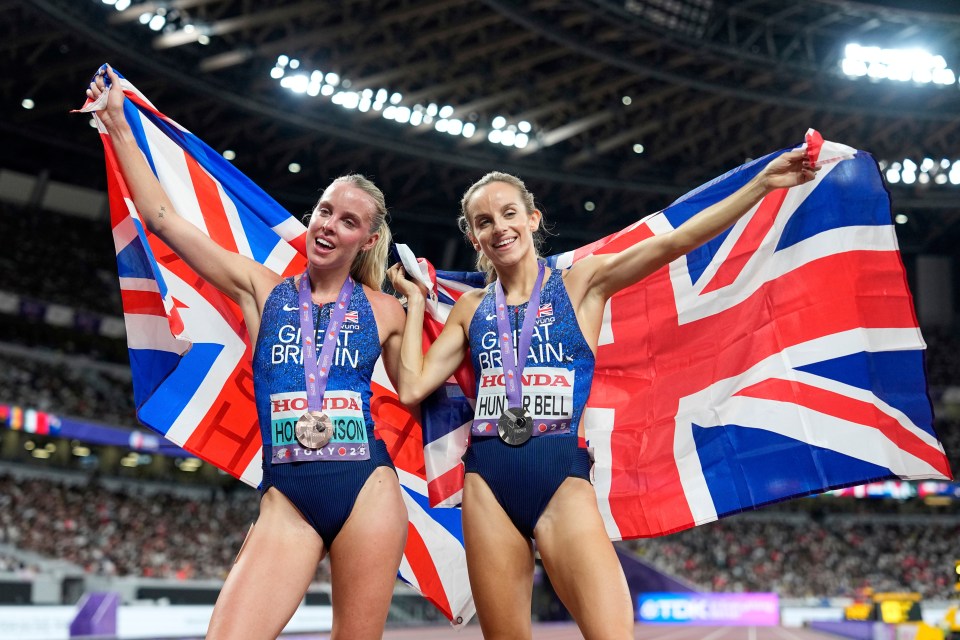
Women are also actively making their mark in other sports: from netball with Jade Clark to tennis player Emma Raducanu, track athlete Keely Hodgkinson, and world champion boxer Lauren Price. This list is endless and shows how women are achieving success.
Especially impressive is the story of Georgia Hunter Bell, who worked in tech sales for just a few months before winning bronze at the Olympics in Paris last year. I cannot imagine a male elite athlete ending up in such a situation.
Georgia won silver at the World Championships last month, and I hope that the opportunity to fully engage in sports will help her improve her results in the future.
Women’s Representation in Sports
I am aware that women's representation in leadership positions in football and other sports leaves much to be desired, but I hope that this situation is slowly changing. Both heads of the FA and PL are women: Debbie Hewitt and Alison Brittain, and they are successfully fulfilling their duties.
Right now, I prefer to focus on the progress that has been made in a relatively short time. WSL is developing and thriving, confirming that we, as a nation, are setting an example in both men's and women's football.
We must celebrate this success because 'girls just want to have fun.'
Read also
- World Leaders Reveal Their Football Allegiances: Who Supports Which Team
- World Cup 2026 Quarterfinal: Belgium vs. Spain – Where and When to Watch the Clash
- Mbappé and Dembélé Each Score Twice as France Crushes Morocco in 2026 World Cup Semifinal
- European lawmakers demand FIFA ban Russia from tournaments over child deportations
- Marta Kostyuk's Wimbledon 2026 Run Ends: Finalists Now Set
- World Cup 2026 Quarterfinal: France and Morocco to Clash – Match Date and Time Confirmed