EU's New Russian Oil Sanctions Face Opposition from Greece and Malta.

EU Sanctions Against Russia
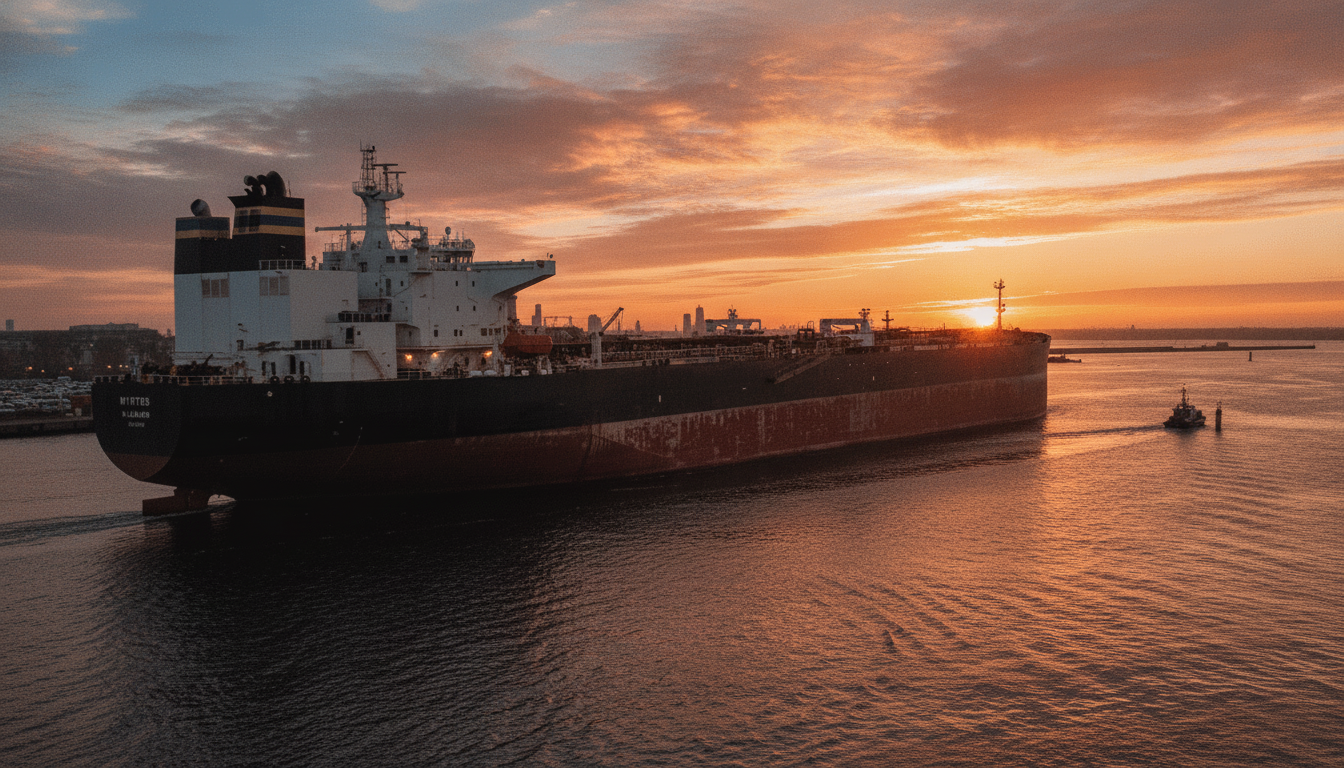
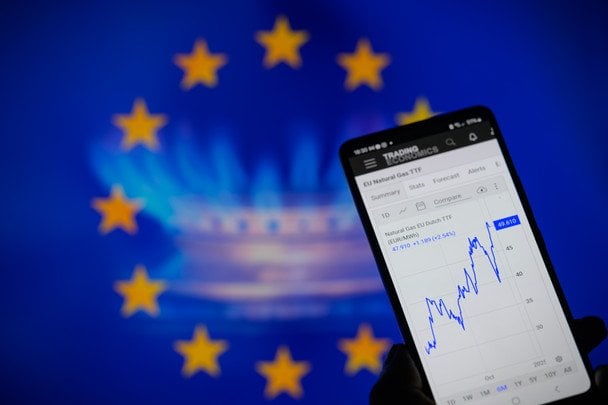
According to TSN.ua: The European Union is preparing its 20th sanctions package against Russia, targeting energy, financial services, and trade. A key proposal involves replacing existing restrictions on Russian oil with a ban on services for transporting it. However, Greece and Malta are opposing this measure. This highlights the ongoing challenge of maintaining a unified EU foreign policy stance while balancing the economic interests of individual member states.
This new package includes sanctions against third-country ports, specifically:
- Kulevi in Georgia
- Karimun in Indonesia
The sanctions list is also set to include 42 new vessels, primarily oil tankers. Furthermore, the proposal suggests removing sanctions from two Chinese banks while adding banks from Laos, Tajikistan, and Kyrgyzstan to the restricted list.
Impact of National Positions on Sanctions
Consequently, the stance taken by Greece and Malta could significantly influence the final approval process for these new sanctions, which the EU intends to use to increase pressure on Russia amid the ongoing crisis. Their resistance likely reflects specific economic interests that could be harmed by the new measures.
As the EU strives for unity on foreign policy, the positions of individual member states can become decisive in reaching a final agreement. The continued debate over these sanctions underscores the complexities of international diplomacy and the need for compromise within the bloc.
Read also
- Zelensky Reveals Russia's Weekly Assault: Nearly 2,000 Drones and 1,790 Bombs
- Starmer Orders Royal Navy to Intercept Russian Tanker in English Channel
- Romania’s New Premier Candidate Steps Up: Who Is Veștea and What His Leadership Means
- Nearly 2,000 Drones Launched by Russia in a Single Week: Zelenskyy Highlights Critical Needs
- Putin Has Left Russia Dependent on China as the EU Prepares New Sanctions
- Ukrainian Intelligence Provides Zelenskyy with Evidence of Putin’s Declining Support in Russia