Switzerland Aims to Cap Population at 10 Million: What the Vote Means for Its EU Deal.

Switzerland's Population Cap Proposal
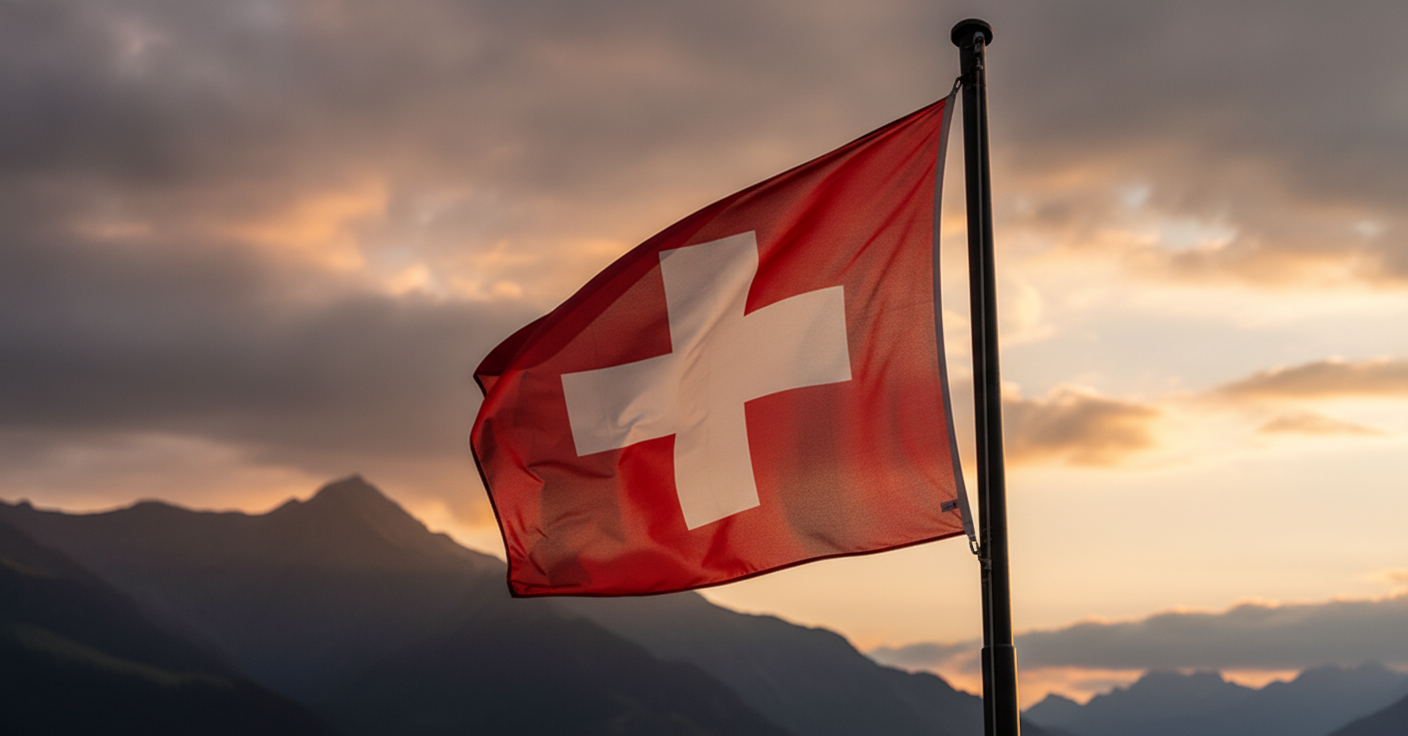
According to Espreso.tv: Switzerland is weighing a proposal to limit its population to 10 million by 2050. Currently home to just over 9 million people, official projections suggest the country could hit that threshold as early as the early 2040s. The debate has intensified because the population has surged from 7.2 million since the early 2000s, with roughly 64% of the 2 million new arrivals being EU citizens. This initiative reflects growing concerns about immigration and national identity in a country where foreign residents already make up a significant share of the population.
Public Opinion and Impact on EU Relations
According to polls, 52% of Swiss voters lean toward rejecting the initiative, while 45% support it and 3% remain undecided. The proposal could have major implications for Switzerland's agreement with the EU on the free movement of people. A European Commission representative stated:
“Free movement of persons is a key element of our relations.”If the initiative puts that principle into question, it could threaten the residency status of roughly 500,000 Swiss citizens living in the EU, as noted by Beat Jans.
Thomas Matter, a supporter of the initiative, emphasized:
“We want Switzerland to remain Switzerland. To achieve that, we need to limit immigration.”Adding another layer of complexity, the U.S. under Trump imposed the highest tariffs on Swiss goods among all European nations, which could further strain the country's economic ties. The upcoming vote on this initiative is expected to significantly reshape Switzerland's demographic landscape and its relationship with the EU.
The discussion around this proposal mirrors broader European trends concerning migration and national sovereignty. Switzerland, already home to a large foreign-born population, faces challenges in integrating newcomers while maintaining social cohesion. The vote's outcome will not only affect domestic policy but also the country's ties with the EU, given the central role of free movement in their economic and social connections.
Read also
- Fake Account of Ukraine’s New Military Chief Prompts General Staff to Deny Audit Rumors
- Peace Isn't Putin's Goal; Economic Pressure Alone Could Force Him to End the War, Expert Says
- Ukraine to Receive UK's Stone Cloak Technology for Countering Russian Air Defenses
- 1.5 Million Ukrainian Books Lost to Russian Attacks: Prime Minister Orders Development of State Support Program
- Over €2 million sought by Tetyana Navka in her legal attempt to overturn EU sanctions
- Ukraine's Leader Lands in US for Trump Talks and Graham Funeral: Key Issues on the Agenda