Over 300,000 Britons Do Not Receive Free TV License: Who is Eligible.

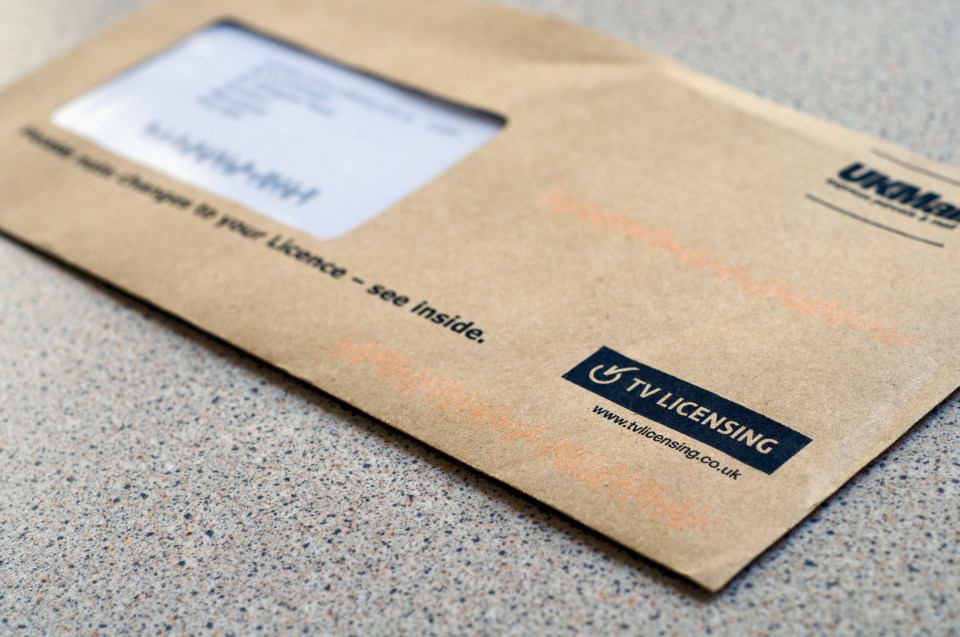
According to The Sun: According to an analysis by Policy in Practice, about 300,000 people do not receive their free TV licenses, which cost an average of £176 per year.
According to the BBC, TV license sales in the country have decreased to 23.8 million compared to 24 million the previous year.
AlamyThose who do not apply for a TV license may be entitled to a refund for several reasons.
Firstly, if the license holder no longer uses the television equipment at the address and does not watch television channels or online services, including BBC iPlayer, they may get a refund.
Secondly, a refund is possible if the license holder has moved to a new address where their license is covered by another person's license.
Also, if you have upgraded your license, you may get a refund for the unused months from your previous license.
TV licenses for color televisions cost £174.50 per year, while for black-and-white it is £58.50, with the option to pay once a year or monthly by direct debit.
People over 75 years old and those receiving pension credit can apply for a free license.
Blind individuals are entitled to a significant 50% discount, and a reduced license at £7.50 is available for people over 60 years old and individuals with disabilities living in supported accommodation.
Having a license is a legal requirement for those who watch live television broadcasts or use BBC iPlayer.
Watching without a license is considered an offense and can result in a fine of up to £1,000.
The license covers one household, regardless of the number of televisions or devices.
This may vary in cases of shared living with separate rental agreements.
Applications for free TV licenses can be made 14 days before the date when they are no longer needed.
Refunds are processed through www.tvlicensing.co.uk/faqs/FAQ76.
What is Pension Credit and How to Apply?
PENSION credit increases your weekly income to £227.10 for singles or £346.60 for couples.
This is known as a 'guaranteed credit.'
If your income is below this amount, you are entitled to this assistance.
However, even if your income slightly exceeds this amount, you may still be a lawful recipient if you have a disability, you care for someone, or you have savings or housing costs.
Additionally, you may receive an extra £82.90 per week if you have a disability or receive any of the following benefits:
- Care Assistance
- Middle or higher level of the care component of Disability Living Allowance (DLA)
- Daily living component of Personal Independence Payment (PIP)
- Armed Forces Independence Payment
- Daily living component of Adult Disability Payment (ADP) at standard or enhanced rate.
You can receive a 'savings credit' from pension credit if both of the following criteria are met:
- You reached pension age before April 6, 2016
- You have saved money for retirement, e.g., in a personal or workplace pension
This part of the pension credit is £17.30 for singles or £19.36 for couples.
Applications for pension credit also open access to a range of free services and discounts.
For example, pension credit recipients over 75 years old are entitled to a free TV license at a value of up to £174.50 per year.
Pension credit applicants also receive an entitlement to £25 per week in cold weather and a £150 discount on heating bills.
You can apply for pension credit on the government website or by calling the pension credit hotline at 0800 99 1234.
TV Licensing states it aims to issue refunds within 21 days of receiving the application.
Refunds are paid by check or directly transferred to your bank account.
Policy in Practice analysis also showed that over £11 billion in universal credit has not been claimed, resulting in 1.67 million households losing an average of nearly £7,000 per year.
The same situation exists with pension credit and child benefits: £1.6 billion and £1.4 billion, respectively, have not been claimed.
Help is available through a benefits calculator that can show what you could be entitled to depending on your income, savings, and personal circumstances.
Policy in Practice has three of the most reliable calculators: Better Off Calculator, entitledto, and Turn2us.
These tools help determine what benefits you may be eligible for and how this could impact if you start working.
Are You Missing Out on Benefits?
You can use a benefits calculator to check whether you have missed any money you are entitled to.
The Turn2Us charity calculator calculates what benefits you might be eligible for.
The free entitledto calculator reveals if you qualify for various benefits, tax credits, and universal credit.
MoneySavingExpert.com and the charity StepChange also have help tools based on entitledto's data.
You can use the Policy in Practice calculator to determine what benefits you might receive and how much money you will have left each month after paying housing costs.
Your exact entitlement will only be clear after you apply, but calculators can give you an idea of what you might claim.
Read also
- Ukraine Disrupts Russia’s Largest Oil Refinery and Targets Shadow Fleet: Escalating Pressure on Moscow’s Energy Sector
- Russia’s Oil Exports Hit Record Highs, but Revenues Shrink as Urals Prices Plummet
- Fuel Shortage Drives Record Search Spike: Russians Desperately Google 'How to Make Gasoline'
- Strike on Russia’s Largest Oil Refinery Raises Fears of Fuel Shortages
- Ukrainian drones halt Russia's largest oil refinery, worsening gasoline shortages
- Over 1,000 New Weapons Systems Fielded by Ukraine, with 90% Domestically Produced