The Edible Insect Industry Collapses: Why Startups Are Failing Despite Billions in Funding.

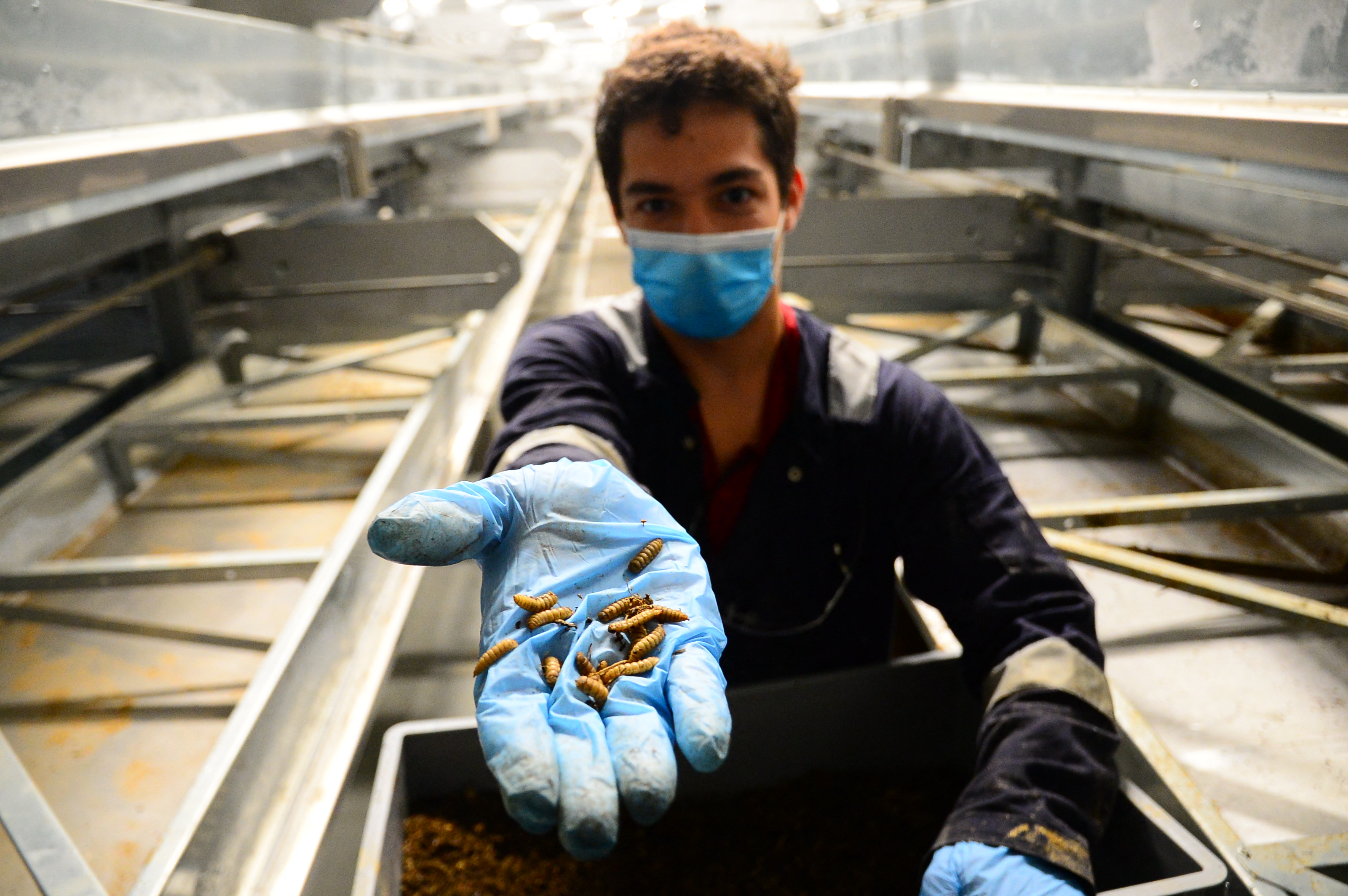
Obstacles Facing the Insect Farming Sector
According to Vox - Загальний: Despite receiving substantial investment, numerous startups in the insect-for-food sector are shutting down, revealing the market's inherent instability. The industry is grappling with major hurdles, including prohibitively high production costs and a persistent lack of consumer demand for insect-based products. The modern push for entomophagy, or eating insects, gained significant academic traction in 2010 when Dutch entomologist Marcel Dicke advocated for it as a sustainable food source.
A 2013 United Nations report endorsed Dicke's ideas, highlighting the environmental benefits of insects as food. This validation spurred investors and governments to pump roughly $2 billion into insect farming startups. By 2020, these specialized companies were producing around one trillion insects. However, by 2023, the industry's largest startup, Ÿnsect, announced it was going into liquidation, marking a significant setback. This sector, once hailed as a future of food, is now facing a harsh reality check.
Economic Hurdles and Ethical Considerations
The economic challenges are stark: the current cost of producing one ton of insect meal is approximately ten times higher than that of soy meal, putting commercial viability out of reach for many operations.
'Research suggests that insects may possess some form of consciousness.' Jonathan Birch
Key takeaways from the current crisis indicate that, despite its potential advantages, insect farming faces serious market entry barriers. The industry's future is now uncertain, and it must find ways to drastically lower costs while cultivating genuine consumer demand. The situation underscores the immense difficulty of shifting to novel, environmentally sustainable food sources, even when they offer benefits like reduced greenhouse gas emissions and water savings. Ultimately, the sector's survival may depend on technological innovation and overcoming deep-seated cultural aversions through consumer education.
Read also
- Russia’s Weekly Revenue Losses Top $1 Billion After Ukrainian Drone Strikes on Maritime Routes
- 50% Tariffs Imposed by Trump on Canadian Goods: Automobiles, Alcohol, and Dairy Hit Hard
- Cotton Shortage Hits NATO Gunpowder Supply: Europe Rushes to Scale Up Production
- Ukraine Receives $690 Million IMF Tranche: Total Aid Reaches $2.2 Billion
- Ukraine Gets $2.2 Billion IMF Nod, But a Key Reform Delay Holds Up the Payout
- Canada Signals Readiness for Talks as Trump Imposes New Tariffs on Canadian Goods