Hardware and Feature Differences: A Look at iPhones in the U.S. Versus Europe.

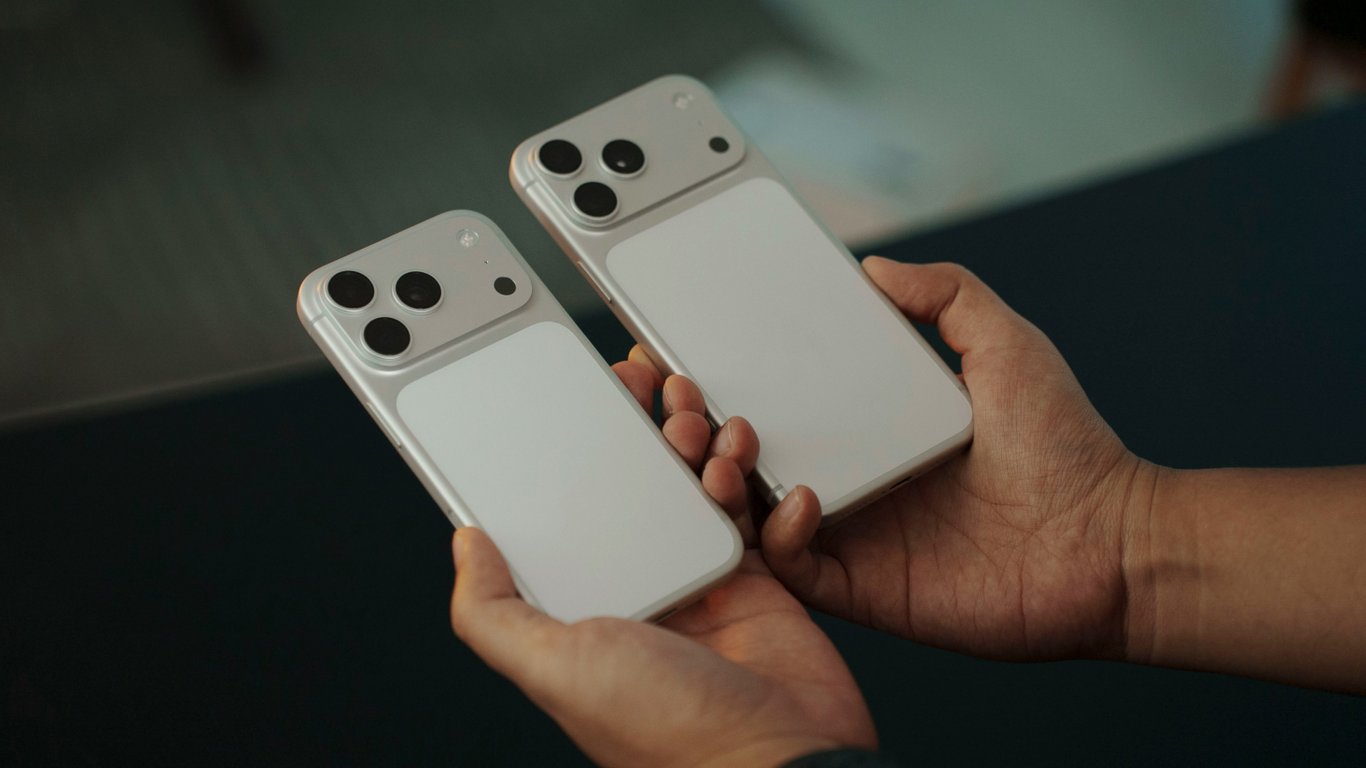
How American and European iPhones Differ
According to Novyny.live: This article outlines the hardware and software variations between iPhone models sold in the United States and those available in Europe, many of which stem from differing regional regulations. For instance, the iPhone 17 models in the U.S. have shifted to an eSIM-only format, completely removing the physical SIM card tray. This change is specific to the American market, while European versions of the iPhone 17 still retain a slot for a single physical SIM card.
Beyond SIM capabilities, U.S. iPhones also support mmWave technology for high-band 5G, enabling faster data transfer speeds in supported areas. In contrast, models sold in China support dual physical SIM cards, a critical feature for many users in that region. Another notable regional variation is in Japan, where the camera shutter sound is permanently enabled by law and cannot be silenced, regardless of the device's settings.
Software Updates and New Capabilities
On the software side, the enforcement of the European Union's Digital Markets Act in 2023 has directly impacted iPhone functionality in Europe. The iOS 26.3 update introduced support for third-party app stores and alternative payment systems, potentially altering how users download and pay for applications. Furthermore, the iOS 26.2 update brought the Live Translation feature to European users, allowing for real-time translation during calls and in apps.
Apple has also introduced a new model, the iPhone 17e, which features MagSafe technology for easy attachment of compatible accessories. These collective changes highlight how Apple tailors its devices to meet distinct market demands, technological infrastructures, and legal frameworks, leading to significant variations in the user experience across regions. For global travelers and tech enthusiasts, these differences are crucial to understand before making a purchase.
The divergences in iPhone design and features underscore Apple's strategy of adapting its flagship product to local conditions. This approach can influence competition among mobile carriers and smartphone manufacturers, while also shaping consumer choice, as buyers may seek out models with specific traits. As technology evolves and consumer expectations shift, future innovations are likely to further accentuate these regional distinctions.
Read also
- Why Anti-Drone Nets Fail Against 'Molniya' and 'Italmas' Drones: Key Insights
- Still Shifting: The 10 Most Powerful Manual Cars You Can Buy in 2025
- OLED vs. Mini LED TVs: Which One Is Better and What Sets Them Apart?
- Why High-Mileage Cars Burn Oil and the Dangers of Ignoring the Issue
- Weakest Points of the Popular 2.0 TDI EA288 Diesel Engine Revealed
- Two Simple Ways to Turn an Old Wi-Fi Router Into a Signal Booster