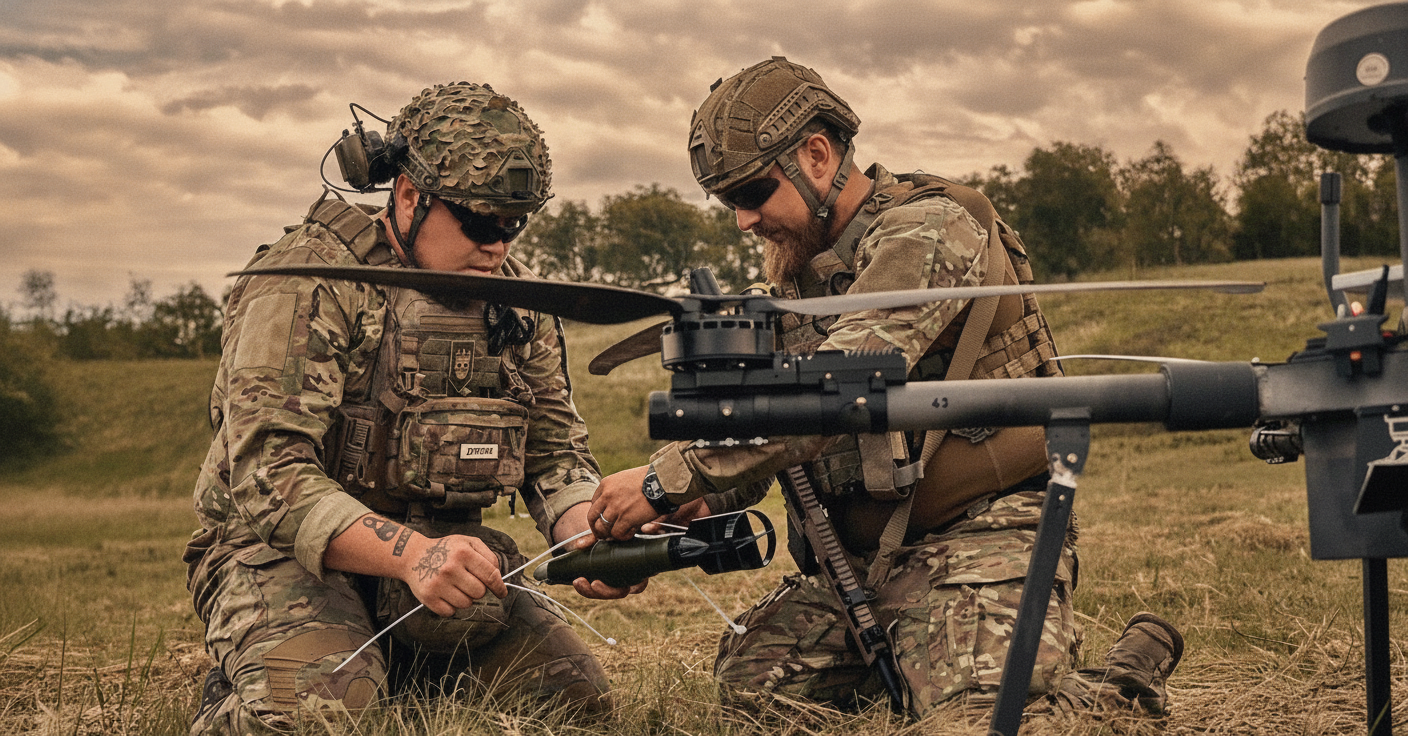
Soldiers Trained to Counter Surveillance via Smartwatches and Apps.

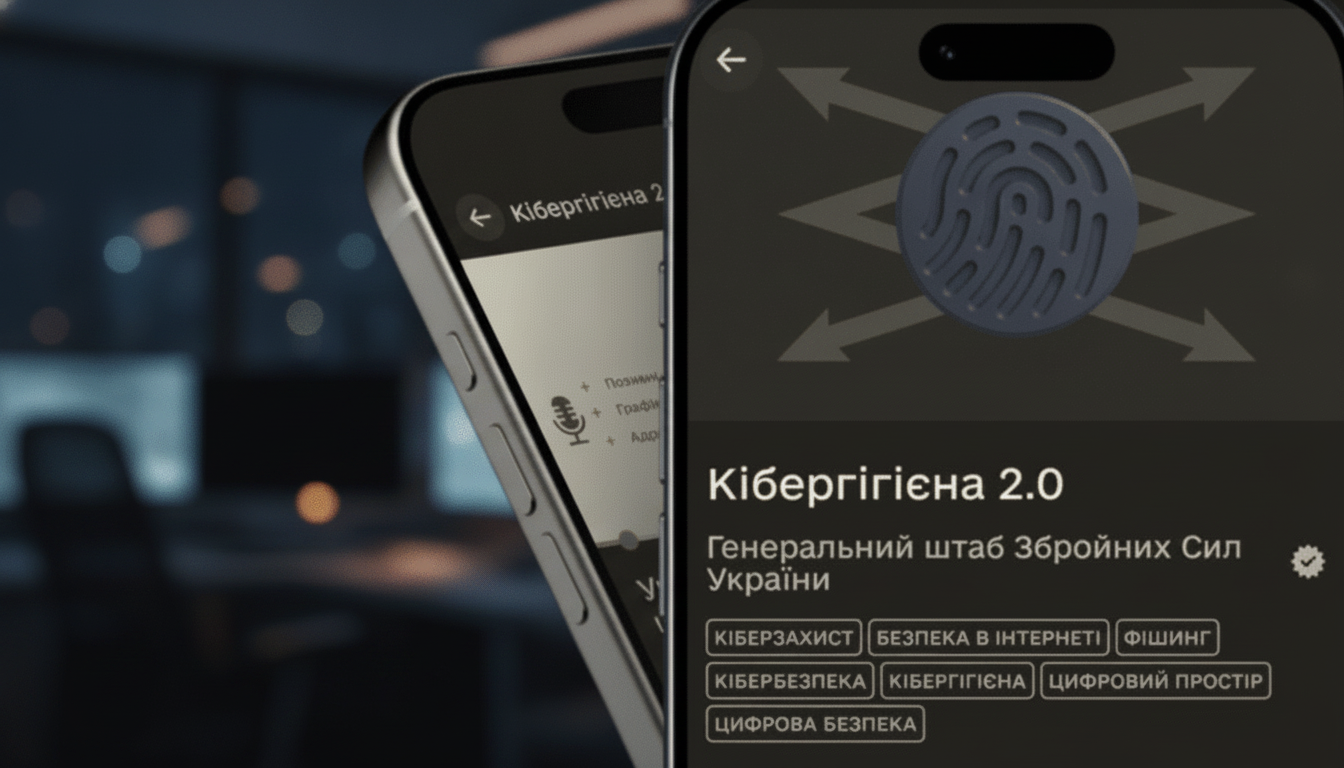
'Cyber Hygiene 2.0' Course Gets an Update
According to Novyny.live: On July 4, the Ministry of Defense of Ukraine, together with the Main Directorate of Communications and Cyber Security of the General Staff of the Armed Forces of Ukraine, rolled out an updated version of the 'Cyber Hygiene 2.0' course within the 'Army+' app. The program teaches military personnel how to identify cyber threats and safely use digital platforms. This refresh was made possible with support from the Canadian government and CRDF Global.
The 'Cyber Hygiene 2.0' course is part of a broader training suite that includes 28 different courses available in the 'Army+' app. The Armed Forces' Center for Scaling Technological Solutions manages the training operations within this application. According to the Ministry of Defense, the course is designed to instill a habit of critical thinking in everyday situations—ranging from connecting to public Wi-Fi to posting selfies online.
Why This Training Matters for Service Members
The curriculum highlights hidden digital threats that could compromise sensitive data, including:
- dating apps
- fitness trackers
- smartwatches
- other services that may leak critical information
Additionally, soldiers learn to recognize attacks targeting their families, such as fake messages about injuries, captivity, or missing-in-action reports, as well as phishing and psychological manipulation. The training also addresses issues involving deepfakes, forged voices, and AI-generated messages.
Ultimately, the updated 'Cyber Hygiene 2.0' course aims to boost military personnel's awareness of cybersecurity and their ability to defend against modern digital threats.
This course update underscores the growing importance of cybersecurity in modern military conflicts, where information attacks can have severe consequences. By equipping service members with these skills, the initiative helps reduce risks related to cyber threats and enhances safety both on the front lines and at home. It reflects an increasing focus on protecting information in today's digital landscape.
Read also
- The 20-80% Charging Rule: Experts Reveal the Best Way to Extend Your Smartphone Battery Life
- Up to 95% Off: Top Deals in the Steam Summer Sale 2026
- How to Spot a Failing Car Alternator: Key Warning Signs and Noises
- Ukraine’s Innovation Speed Called a Game-Changer by NATO: What Comes Next
- Toyota Tops Reliability Rankings: These Cars Can Go 400,000 km
- Gboard Is Leaking Your Data: How Android Keyboards Track Users