Iran Prepares for Talks with the U.S.: Could a Ceasefire Be on the Horizon?.

Current Landscape Around Iran
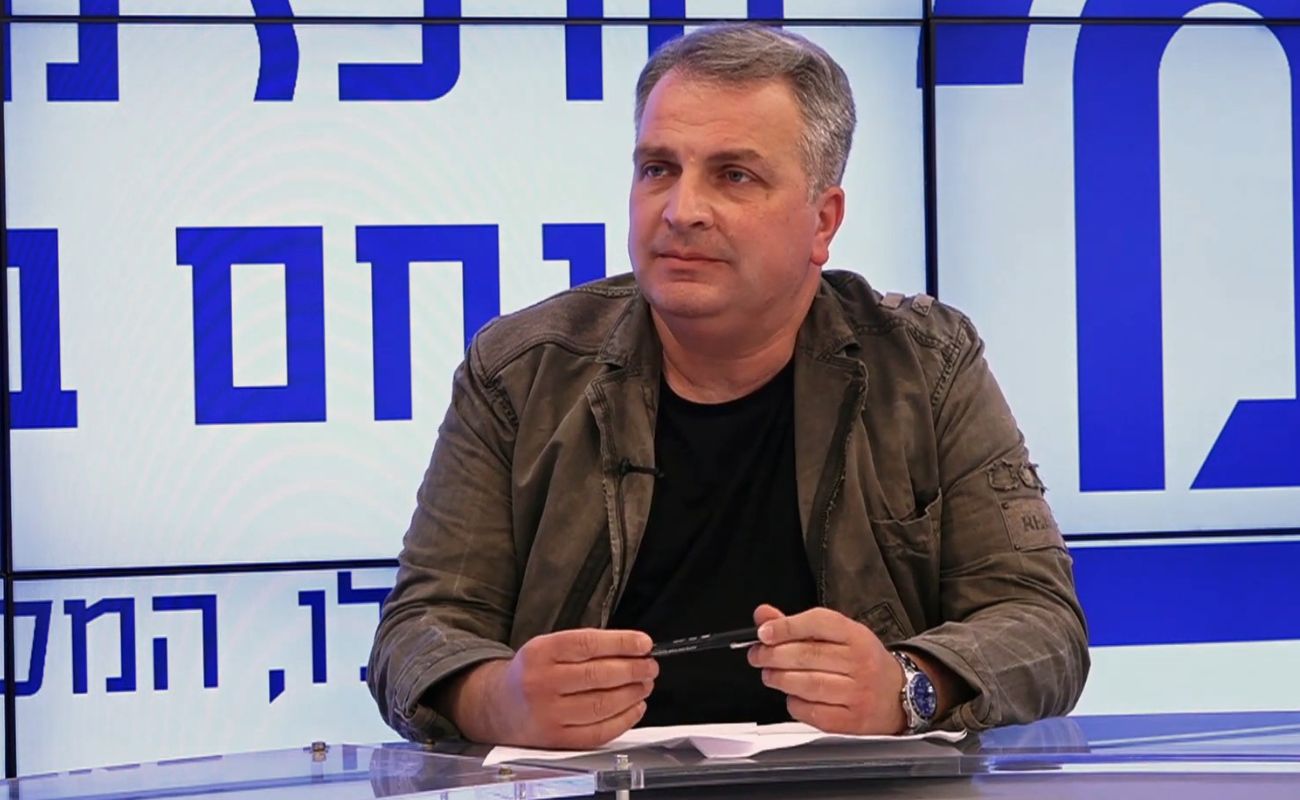
According to UATV: Despite signs that the situation involving Iran might be heading toward de-escalation, no concrete changes have occurred yet. This assessment comes from Rostislav Goltsman, head of the international relations commission at the Israel Union of Journalists, in his analysis of potential negotiations between the United States and Iran. As of now, direct talks between Iranian and U.S. representatives in Islamabad have not taken place, highlighting the uncertainty surrounding the process.
Israel and the United States continue to carry out precision strikes against specific targets inside Iran. These operations have effectively destroyed Iran’s naval fleet and struck key bases and facilities. Israel has laid out several core demands, including:
- Iran’s abandonment of its nuclear program,
- removal of enriched uranium,
- dismantlement of centrifuges,
- and oversight by the IAEA.
Goltsman noted that Iran had sought a unilateral ceasefire, but its terms were rejected. He stressed that
“it is still too early to draw any conclusions”about the prospects for de-escalation.
“This targeted and powerful work by the Israeli and U.S. militaries has already shifted Iran’s position somewhat,”he added.
Regional Dynamics
Furthermore, Gulf states—including Saudi Arabia, Qatar, and the UAE—have little interest in a swift end to the conflict, complicating the path to peace in the region. U.S. President Donald Trump has also stated that negotiations between the U.S. and Iran are ongoing.
Goltsman highlighted the essence of the U.S. proposals, which are straightforward:
“Iran gives up its nuclear and missile programs, places its facilities under international control, and in return receives guarantees of non-interference in its internal affairs.”He added that
“if there is to be a ceasefire, it must be bilateral and part of the negotiation process.”These factors underscore the complexity and ambiguity of the current situation, where real change has yet to materialize despite efforts by international players.
The atmosphere surrounding Iran remains tense, and despite certain initiatives by the U.S. and Israel, no real progress has been made in negotiations. Israeli actions aimed at undermining Iran’s military capabilities are adding pressure, but they are not fostering regional stability. A key factor is that regional actors like Saudi Arabia and the UAE have their own stakes in how events unfold, which could further hinder the achievement of a peaceful resolution.
Read also
- Trump Backs Late Senator Graham’s Sister in Her Bid for a U.S. Senate Seat
- White House Teleprompter Operator Made Over $100,000 Betting on Trump’s Speeches: Investigation Reveals
- Over 60 U.S. Senators Back Graham’s Bill for 100% Tariffs on Russian Energy Exports
- New U.S. Strikes Hit Iran: Chabahar Port Tower Destroyed in Latest Escalation
- China Challenges US Dominance in AI: Xi Jinping Proposes a New Global Body
- Why Russia Sees Turkey as a Viable Negotiation Hub: Three Key Reasons